Around the Campfire: Of Giant Snails and Tradition; Fire and Totems…
Winter is coming. Living as we do on the edge of the Save River, in Chief Mahenye’s village, we often sit around our newly lit campfire on the banks of the great Save River, mostly sand at this dry time of year, but still flowing through a few deep channels and over shallow sandbars, even at the end of a long dry season. This is a river worthy of the name – shelter and sustenance to all, home to many fish crab and mollusk species, frequented by a myriad of waterbirds, dinosaur-sized crocodiles, wallowing elephants and numerous floats of hippo families – a watery boundary where fishermen cast their bendy reed rods into the waters, women come at midday to do their brightly coloured washing, herders come late in the day to water their tri-coloured Nguni cattle and elephant cow herds tiptoe down to drink in the dusk, clustered protectively around their new-borns. We sit facing Gonarezhou National Park with our backs to the lands of Chief Mahenye, our local changana (xangana, Hlengwe) community. A cloudless lowveld winter day means relief as at last the burning sun sinks before us into the dark wilderness, silhouetting the filagree baobab horizon and lighting up the river. The river reflects the setting sun and warmth rises from the white sand under our bare feet wafting evocative scents – traces of the departed nguni cattle and the incoming Gonarezhou elephants, beasts who have passed over these sands for generations…
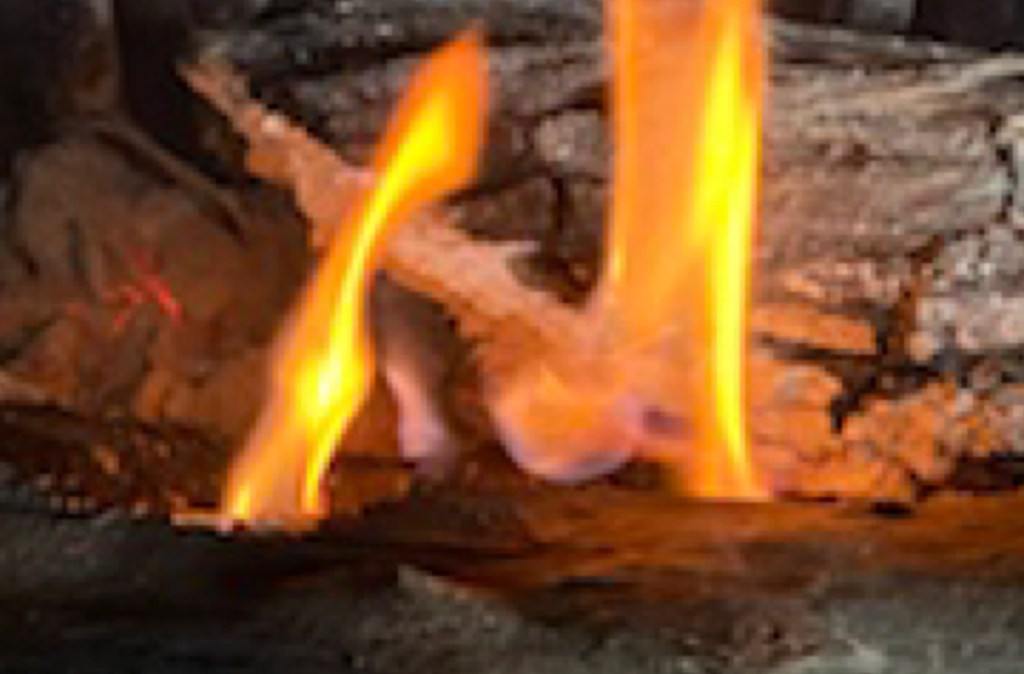
We must have a fire, not just for warmth, but for the ambience, the comfort and the rightness of it. The scent of it. A primeval need for the glow of coals against a backdrop of a darkening wild horizon. An African skimmer scoops past us in the shallows, trawling the water with its strange long lower mandible, and leaving a wake of molten gold ripples behind it to mark its passing in the shadows. I know it has a shallow nest on a large sand bank in the centre of the river- during daylight hours I have watched it chasing Spurwing Geese and Hadeda Ibises away from the area…
Jupiter shines bright above us and the constellation of Scorpio takes shape alongside, growing out of the darkening sky with it’s first visible star being Antares, a red heart in the centre of Scorpio’s thorax.
A hyena yodels in the dark and much as I love the sound, it is a comforting feeling to have a fire burning….
Why our elemental need for fire? Beyond the obvious need to cook on it and use its warmth and protection, fire draws us all, speaks to us all, much as water does, sophisticated city dweller and rural dweller alike. Around a campfire, a cooking fire, all the best stories are told; worldwide and no less so in Mahenye!
In the verbal history of the Mahenye and Gaza Chauke Clan, (from Zimbabwe through to Mozambique and Limpopo Province South Africa), there is a fascinating story told by the elders of how the Giant African Snail (Humba) and Fire came to be their totem….

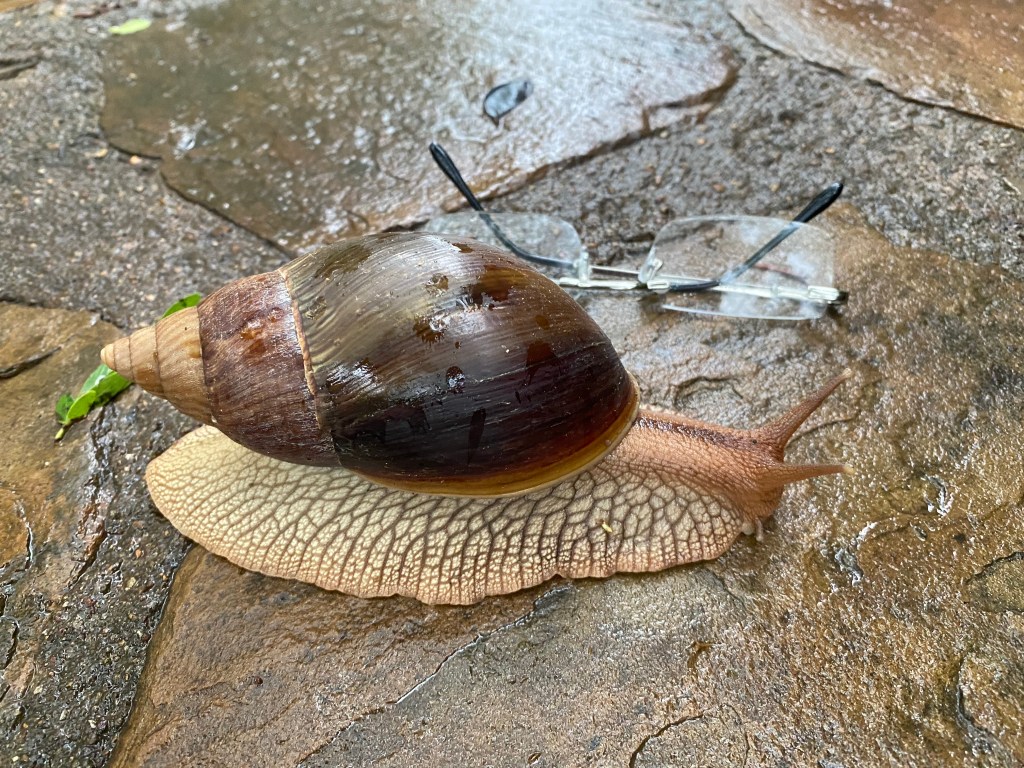
What is the giant african snail you might ask… it’s a gorgeous beast of a snail! The Giant African Land Snail… Achatina fulica comes out of hiding, with the onset of the lowveld rains…
Regarding that snail story, we visit and talk with Phineas Mutsatsa Chauke, 89 years old, and one of the elders in the village – a sub chief. Plus his wife and sister in law, his son Victor Chauke and grandson George Chauke. (His other son Liberty Chauke, the Mahenye ward councillor) says that the Mahenye chieftainship can be back dated to late 1600 century. The snail shell is integral to the history of the Chauke clan, and we present Malume Chauke and his wife with a simpli simbi aluminium silver snail shell in recognition of the revered history…

More insight into this story that captures my artistic, poetic, story loving soul, are gleaned from Thomas Mutombeni, chief tourism officer at Chilo Gorge Safari Lodge, Peter Chauke, head of kitchens at Chilo Gorge Safari Lodge, (whose brother is a Village Head, Guvhela), and also my further chats with Victor Chauke.
Here then is the Chauke Chahumba ( Chauke of the snail) story:
Back in the far-off days of the Chauke clan history, their hunter/gatherer existence, their Uncles, (the Hlungwani family), had the knowledge and use of fire. The Chauke clan did not. Fire was supposed to be their totem- and yet they were deprived of it. A young girl was tasked to bring back fire to Chauke village from the distant Hlungwani Family by any means she could. She attempted to carry burning embers as a glowing bundle of bark and merely burnt her fingers. Iyachisa!!! By luck she discovered an empty giant land snail shell and cleverly used it as a receptacle for the glowing treasure. Packing the empty shell with a base of earth and sand, she collected some glowing embers from the Hlungwani hearth and covered her treasure with cow dung to protect the spark. Safely carrying it back to her clan, they were able to light their own hearth for the first time and to celebrate the fact that they at last had fire in their clan. They could now keep warm and cook their meat, and most importantly they could fire and harden the full-bellied clay pots that the women crafted to carry life-giving water, cook food and brew sorghum beer. They were generous in sharing their new knowledge of fire with everyone, and were recognized as true leaders. They adopted the Giant snail as their totem – a creature which “withstood” the fire and also a creature which, even after a strong bush fire has passed, will eventually creep out of its underground hiding place to emerge victorious over the fire… Since it is their totem, the Chauke family are not allowed to eat a snail. (It is believed that if you eat your totem you will loose your teeth!).

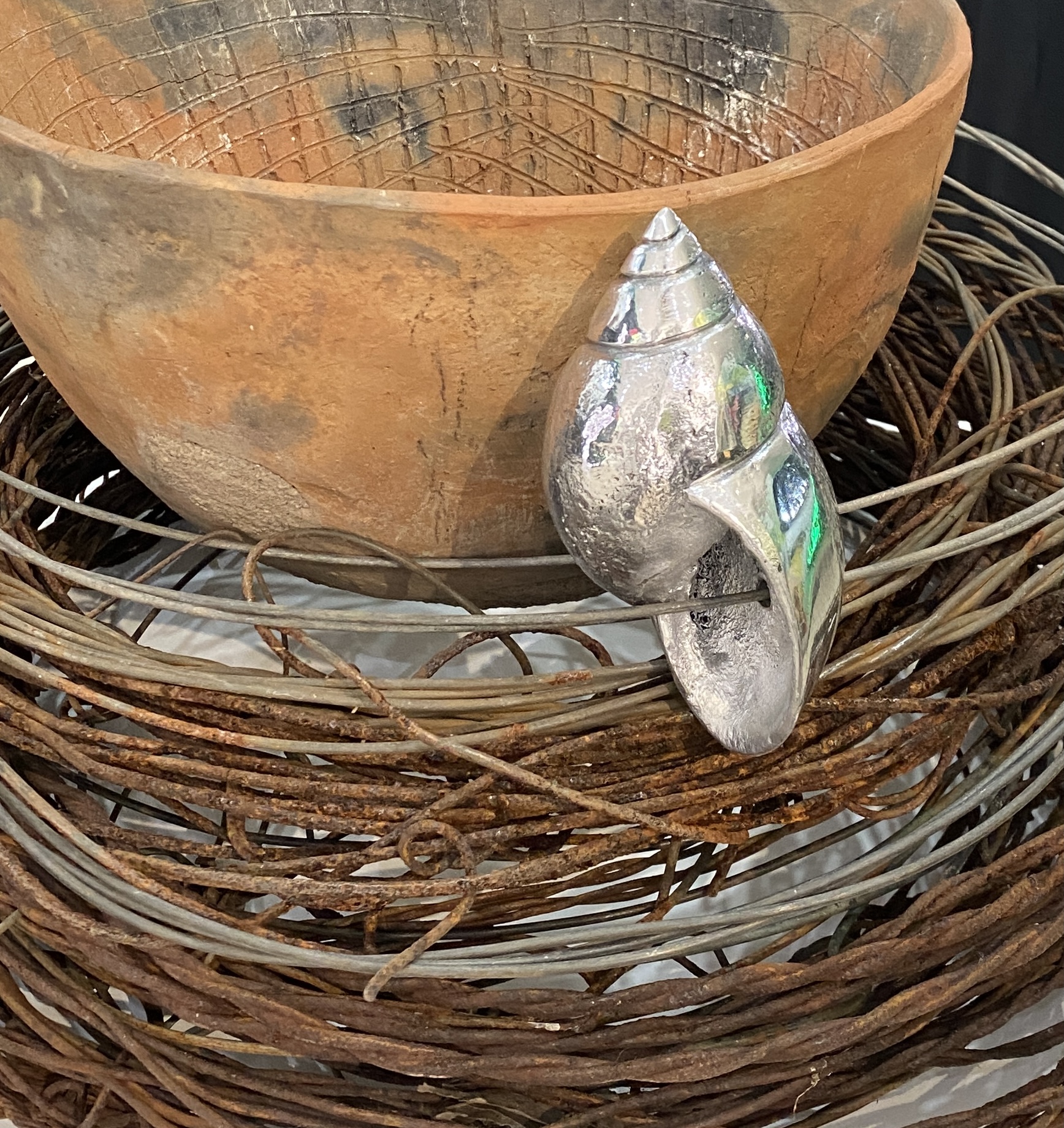
I celebrate the snail shell story in my art installation using my local mahenye clay pot, a hata made of snare wire collected on anti poaching initiatives, and a simpli simbi aluminium snail shell, cast from my own snail shells, “Woeful Wire, Clay Poto and Simpli a Snail”. Last seen on our Burnt Offerings exhibition in 2023
The Chauke clan use the fire as their slogan when they chant “iyachisa,… mulilo” (“Fire…it Burns”) This is accompanied by the traditional “Hand on Heart” greeting called ‘sheweta’, and happens at the beginning and end of every important meeting and with every greeting to their chief.
Perhaps trial by fire is a necessary part of our lives, our growth and resilience, our inventiveness, animal and human alike.
What does not kill us, makes us stronger……

The snail is a treasured logo in many respects .. read on for a cultural community initiative , the Budula festival!
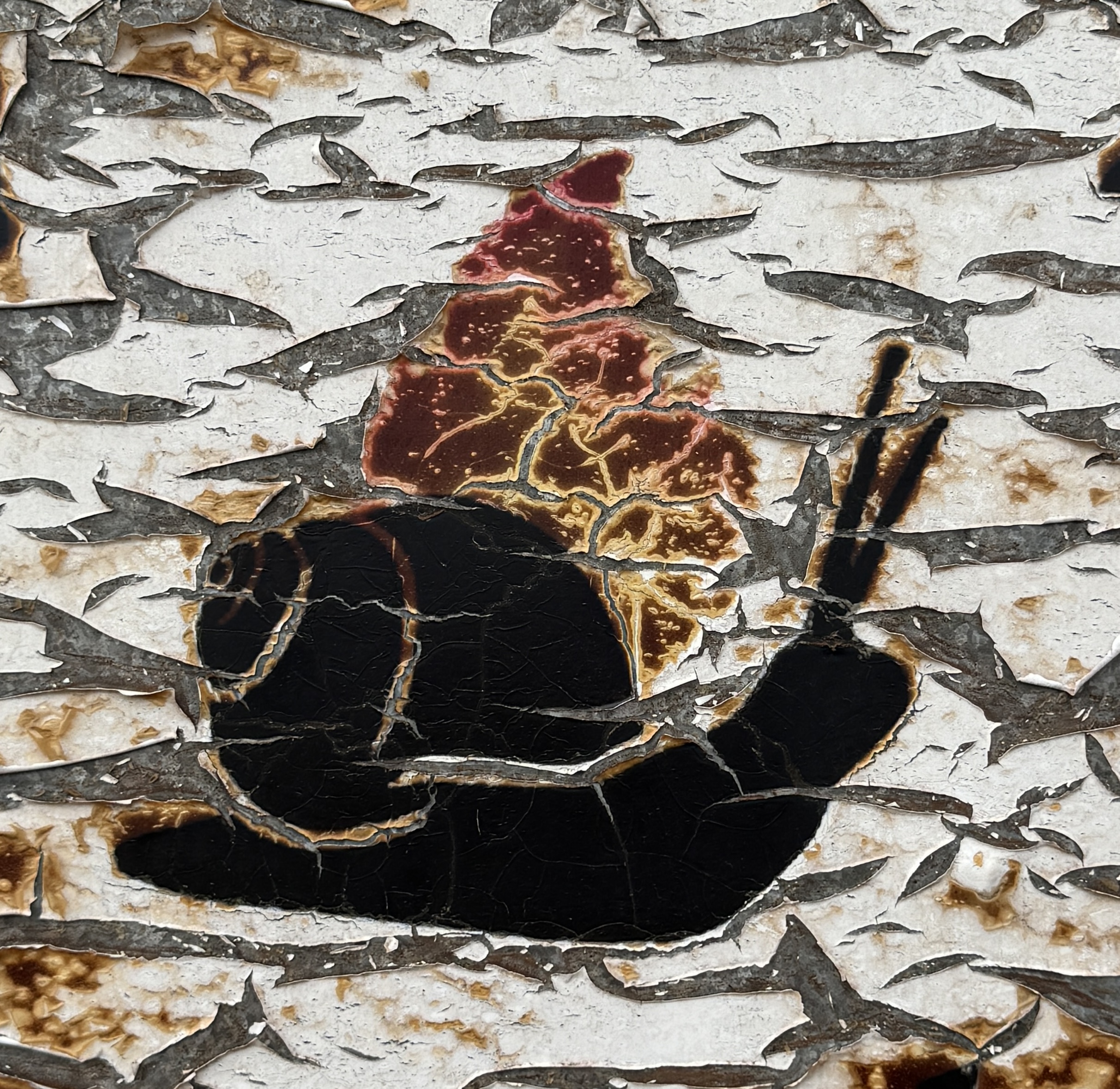
And here are wonderfully weathered images that I have photographed at the entrance of the Jamanda community conservancy, Mahenye – featuring of course the revered Snail (Humba) and the Fire.

So potent…. the snail and the fire are a powerful image in our lives-
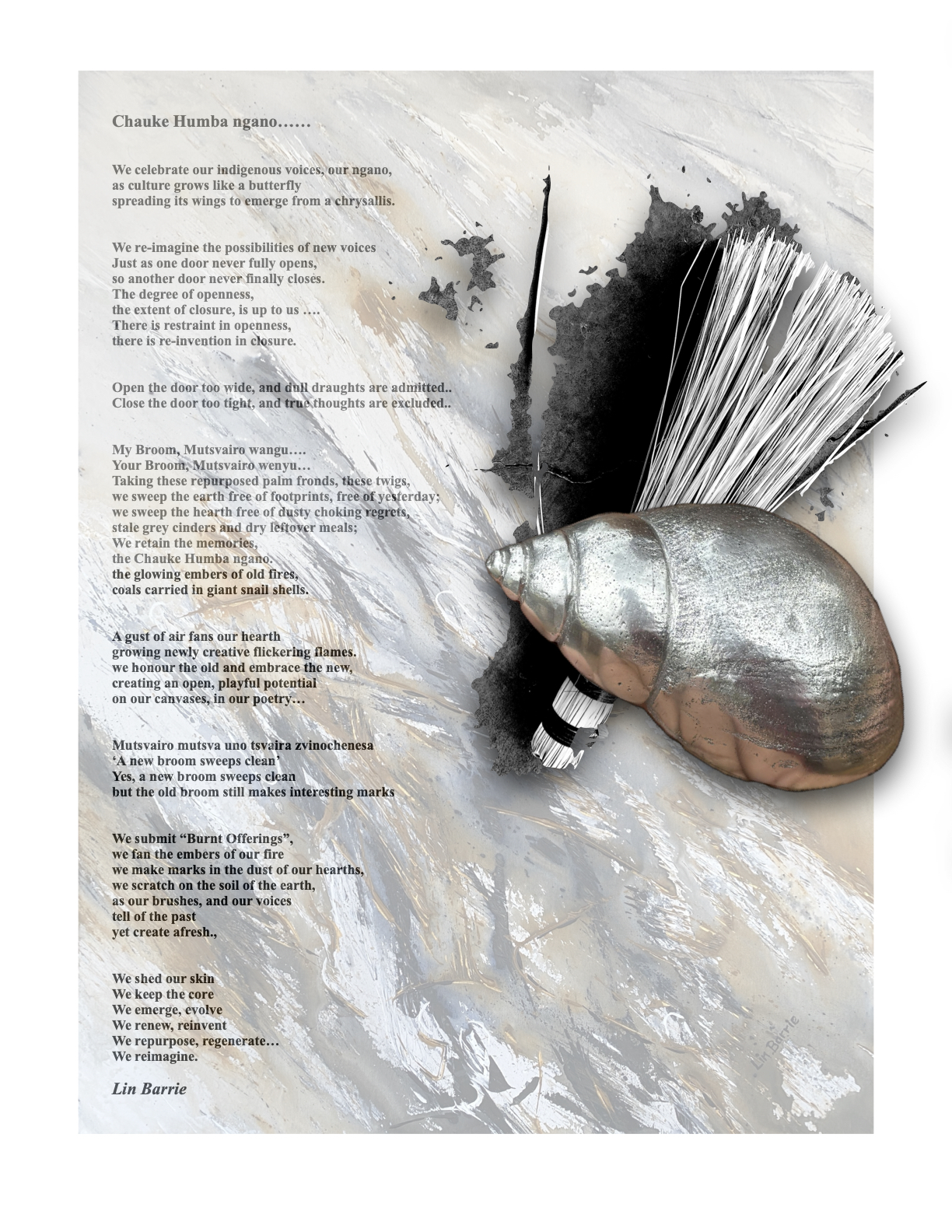
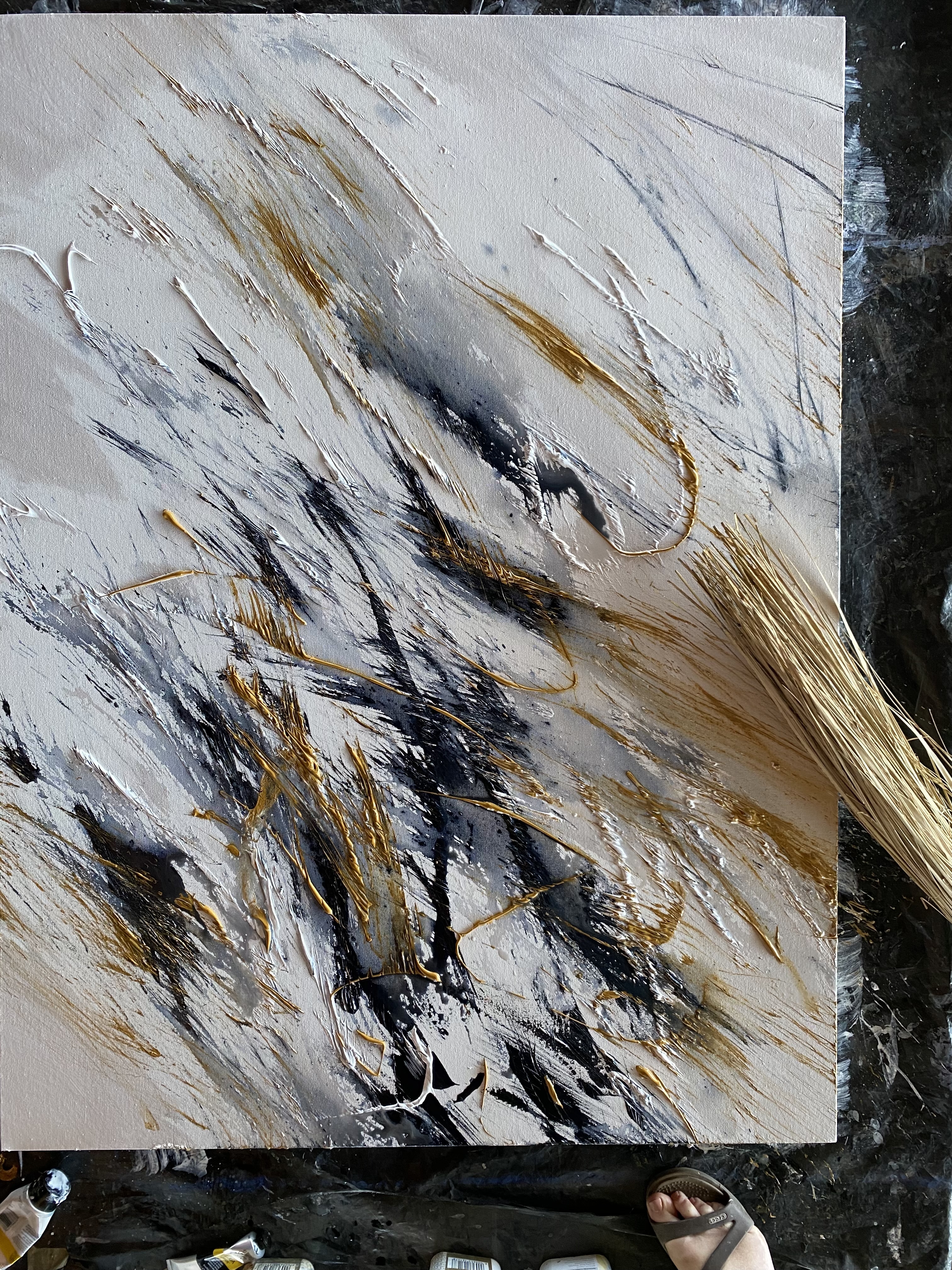
In conjunction with the Chauke Chahumba story (ngano), my art embraces the use of a svielo, a mutsvairo, (a sweeping broom), as a paintbrush, as well as a broom for sweeping my hearth.. a metaphorical and a physical ‘sweeping’……
and here is an example of its use in my Burnt Offerings abstract painting…
Post script:
After displaying our work at the miniatures exhibition 2025, and as Burnt Offerings Collective, Celebrating Indigenous Voices, with the National Gallery of Zimbabwe, 2025, Johnson Zuze, Kelli Barker and I will display our Snail/Fire artworks at the National Arts Council of Zimbabwe Cultural Month Launch at Rusununguko Clinic, Zimbabwe, 17th May 2025….. my paintings and installations, Johnsons snail theme snare wire sculptures and Kelli’s fine art photographic Fire prints from her short art film titled “Burnt Offerings”…

See my other blogs for more stories about Totems, Art and Snails….
https://wildlifeandwilddogs.wordpress.com/2016/05/13/of-giant-snails-and-tra- dition-fire-and-totems/
https://wildlifeandwilddogs.wordpress.com/2016/03/13/an-amazing-mollusk- the-giant-african-land-snail-revered-totem-of-the-chauke-clan/


 wine and wild dogs
Pingback: Dancing with my Shadow; An Elephant in the Room… | wine and wild dogs
Pingback: Of the Earth, Of Fire; Sketching a Giant African Land Snail Shell | wine and wild dogs
Pingback: GOATZ; food, family, culture, storytelling, art, proverbs and so much more… | wine and wild dogs
Pingback: The World in Miniature; The Power of Small Works….(or “Why is Small Art so Big right now?!”) | wine and wild dogs
Pingback: Chauke ChaHumba; of Fire, Giant Snail Shells and Totems.. | wine and wild dogs