Xibelani -wonderful word for a vibrant cultural fabric tradition…

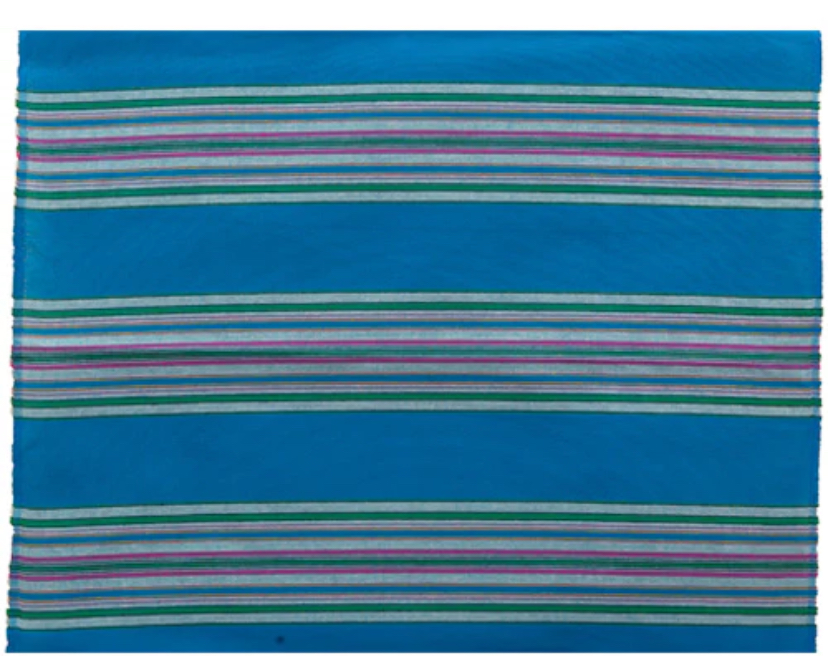
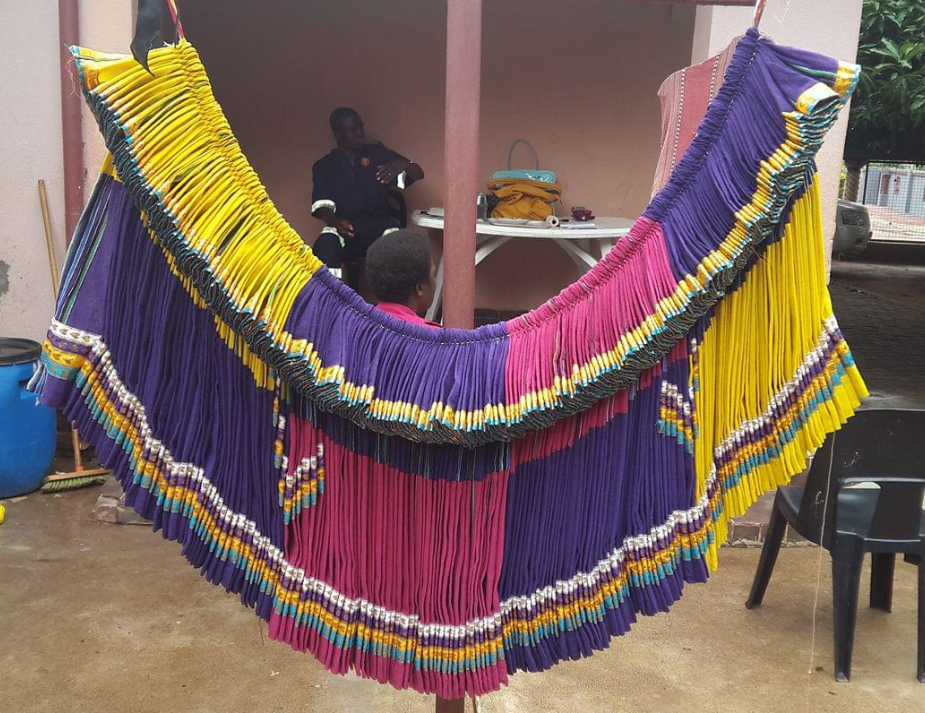
  • Xibelani is a vibrant and colorful fabric that is popularly worn by the Tsonga women of South Africa. It is a type of traditional attire that has been worn for generations and has become an integral part of Tsonga culture. In this article, we will explore what xibelani fabric is and its uses.(reference : Makotis Africa)

Xibelani fabric is a lightweight and flowy material that is made from polyester or cotton. It is typically printed with bold and bright geometric patterns that are inspired by traditional Tsonga designs. The fabric is made into a circular skirt that is worn with a matching top and headscarf. The skirt is gathered at the waist and has several layers of fabric that create a voluminous and dynamic effect when the wearer dances or moves.

Xibelani fabric is primarily used for cultural and ceremonial purposes. It is worn by Tsonga women during traditional dances and celebrations, such as weddings, funerals, and coming-of-age ceremonies. The skirt is an essential component of these events and is often worn with traditional jewelry and accessories, such as beaded necklaces and bracelets.

Apart from cultural events, xibelani fabric has gained popularity as a fashion item in recent years. Many designers and fashion enthusiasts have incorporated the vibrant fabric into their collections, bringing it to a wider audience. The skirt has become a symbol of Tsonga culture and identity and is often worn with pride by Tsonga women all over South Africa.

In addition to its cultural and fashion uses, xibelani fabric has also been used as a form of protest and activism. In 2016, a group of Tsonga women wore xibelani skirts to the #FeesMustFall protests, which were aimed at highlighting the issues of high tuition fees and inequality in South African universities. The skirts became a symbol of resistance and unity among the protestors, and many people around the world took notice of the power of the xibelani fabric.

even the legendary Marianne Fassler is a collector of xibelani skirts!


In conclusion, xibelani fabric is a beautiful and versatile material that is an important part of Tsonga culture. It is used for traditional ceremonies, fashion, and activism, and has become a symbol of pride and identity for Tsonga women. The vibrant and bold designs of the fabric are a testament to the creativity and ingenuity of Tsonga people, and its influence continues to spread around the world.
— Read on makotis.com/xibelani/

and find more fascinating stories around Xibelani on my blog https://wineandwilddogs.art/2024/09/07/art-and-inspiration-jozi-juxtapositions/

and my blog page : https://wineandwilddogs.art/culture/
Unknown's avatar

About wineandwilddogs

Lin Barrie The Save Valley Conservancy stretches along the upper reaches of the great Save River in the south east of Zimbabwe. The Gonarezhou National Park laps against the southern banks of the Save River and between these two nestles the Malilangwe Wildlife Reserve. These three celebrated wildlife areas form part of the Greater Limpopo Transfrontier Conservation Area, (GLTFCA)- a unique wilderness jewel which is home to the “Big Five” (endangered Black and White rhinos, elephants, buffalo, lion, leopard) and the ”Little Six” (Klipspringer, Suni, Duiker, Steenbok, Sharpe's Grysbok and Oribi). Endangered African wild dogs, Cheetah, Brown hyena, Bat-eared foxes and a host of special birds and plants contribute to the immense variety of this ecosystem. Communities around the GLTFCA contribute to innovative partnerships with National Parks and the private sector, forming a sound base on which to manage social, economic and environmental issues. This is home to artist and writer Lin Barrie and her life partner, conservationist Clive Stockil. Expressing her hopes, fears and love for this special ecosystem with oil paints on canvas, Lin Barrie believes that the essence of a landscape, person or animal, can only truly be captured by direct observation. Lin Barrie states: “Through my art, and my writing, I feel an intimate connection with the natural world, and from my extensive field sketches of wild animals, people and landscapes, I create larger works on canvas. Lin's work is in various public and private collections in South Africa, Kenya, Zimbabwe, Australia, England, Canada, Sweden and the United States of America. She is represented by galleries in South Africa, Zimbabwe, England, Kenya and Florida, USA.
This entry was posted in abstract art, Africa, African child, art, art collaboration, art on clothes, beading, beads, bio diversity, Body art,, Changana people, community, community conservation, crafts, Craftwork, cultural beliefs, culture, dance, drums, Fabric, fashion, Gonarezhou Conservation Trust, gonarezhou national park, Greater Limpopo Transfrontier Park, lifestyle, lin barrie, Lin Barrie Art, lowveld, Machangana culture, music, musical instruments, paintings, Save Valley Conservancy, Shangaana people, Social Customs, spoken tradition, storytelling, Sustainable Fashion, tradition, traditional dance, Tsonga, Uncategorized, wilderness, Xangana, zimbabwe, Zimbabwe Artist, Zimbabwe artists, Zimbabwe National Parks, Zimbabwe Parks, Zimbabwean Art and tagged , , , , , , , , , , , , , , , , , , , , , , , , , , , , , , , , , , , , , . Bookmark the permalink.

Leave a comment

This site uses Akismet to reduce spam. Learn how your comment data is processed.