Rabies, Vets and River Sunsets; Wild dogs and Domestic dogs….

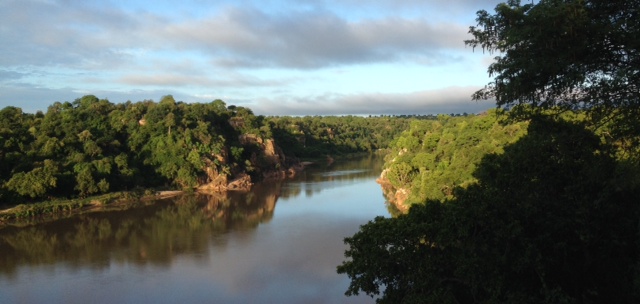
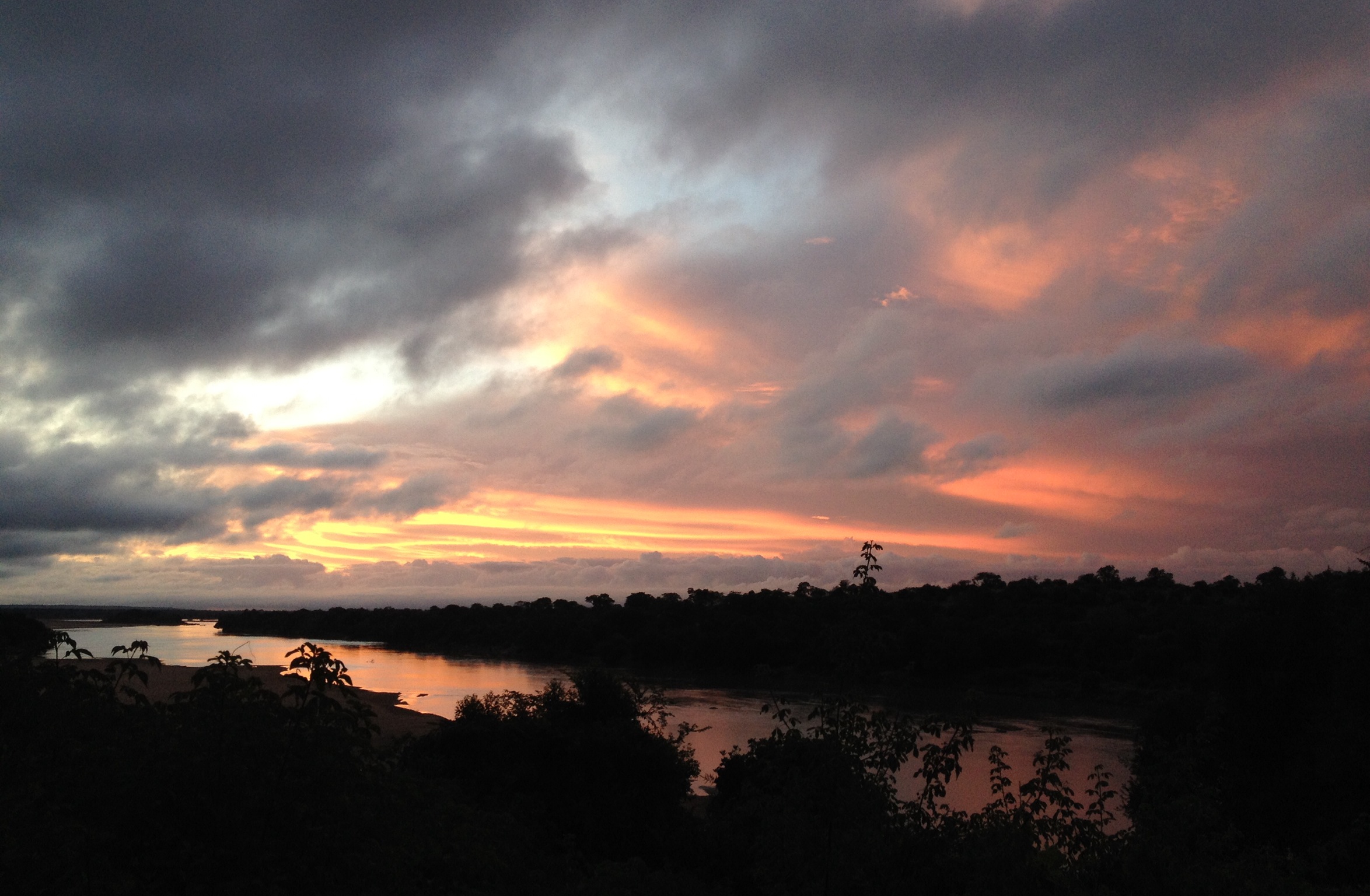
Whew, after the rush and fun of Valentine’s weekend, the pace of life has not slowed down….nor did we expect it to! We do still make time to sit and watch the sunset every now and then, though….with the end of the rainy season looming, the Save River is dropping in volume daily, and this gigantic tree that rolled down with the last floods is being left high and dry….

Sunset on a special river

Sunset on a special river

In response to reported cases of rabid dogs, and a little girl suspected to have died of rabies at the end of 2014 in Mahenye community, adjacent to Chilo Gorge Safari Lodge and Gonarezhou National Park, Clive Stockil, Chilo Gorge, African Wildlife Conservation Fund and Frankfurt Zoological Society donated accomodation at Chilo Gorge Lodge and further secured funding for VAWZ -(Veterinarians for Animal Welfare Zimbabwe) to carry out a rabies vaccination campaign in the area.

AWCF header

Some of the VAWZ team based in Harare:

some of the VAWZ team...

some of the VAWZ team…

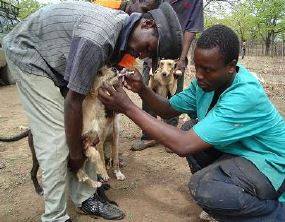
The campaign officially started on February 17th, and a pre-awareness campaign resulted in a positive response from the community, with over 300 domestic dogs being vaccinated on the first day!

rabies vaccinations

rabies vaccinations

The community, local ground staff and veterinarians have made this happen. Mel Hood and Vawz team were assisted by Dr Chris Foggin and Jess Dawson, and Dr. Helene Donohoe assisted VAWZ in their very important work in the Lowveld. Helene and Ant Donohoe helped to run an eco-workshop educational workshop at Chilo Gorge Safari Lodge for 2 days alongside the vaccination initiative…(more about that wonderful workshop in a later post…)

dipping day...

dipping day…

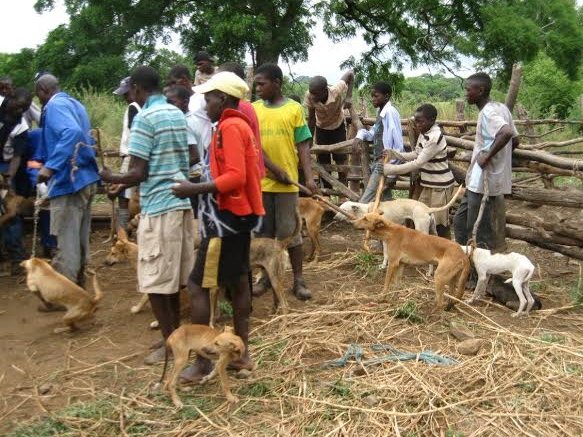
Cattle dipping day was chosen as a time when many herders would come in to a central point with their dogs…

some reluctant patients...

some reluctant patients…

The vet team were impressed with the general health and well being of the dogs that they saw in the Mahenye area, and commented that these were some of the best looking, and fiercest dogs that they have seen around the country!

I guess reflecting their Changana owners personalities, these are proud hunting dogs!

Some patients were reluctant…..

more reluctant patients...

more reluctant patients…

others were more resigned to their fate….

Three dogs wait loyally behind their owners....

Three dogs wait loyally behind their owners….

Not only the patients were reluctant….

even although a pre awareness and outreach had taken place the week before the vets arrival, some of the more remote villagers felt suspicious of what effect the vaccinations would have on their dogs apart from disease prevention, feeling that perhaps the jabs might make their treasured hunting dogs less fierce, less ‘hunterly!’

For these few sceptics , time will tell, and next time round they will be hopefully more willing to vaccinate their dogs, having seen not only a marked improvement in their dogs’ health, but no resultant lack of hunting skills!

Dr Chris Foggin provided expert assistance and advice…

Chris Foggin and team

Chris Foggin and team

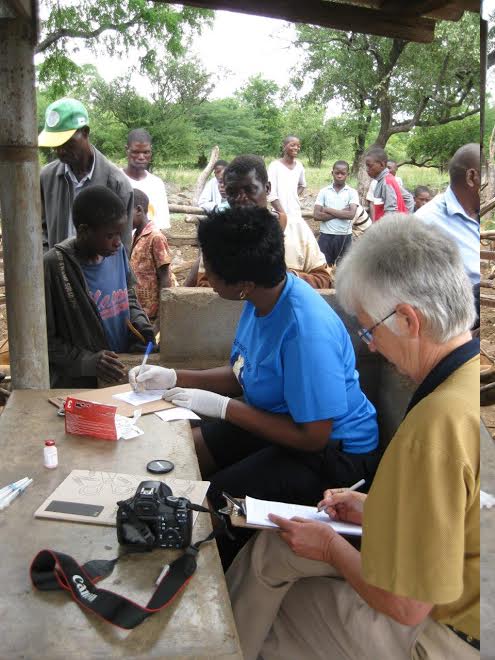
Mel Hood and Caroline keeping records…

Mel and Caroline keeping essential documentation in order...

Mel and Caroline keeping essential documentation in order…

A potential rabies outbreak could not only have severe consequences for the health of the local community, but also local wildlife (including African wild dogs).

In the past, I have seen whole packs of our African wild dogs die in a short space of time due to rabies, which spreads fast among theses very social animals…

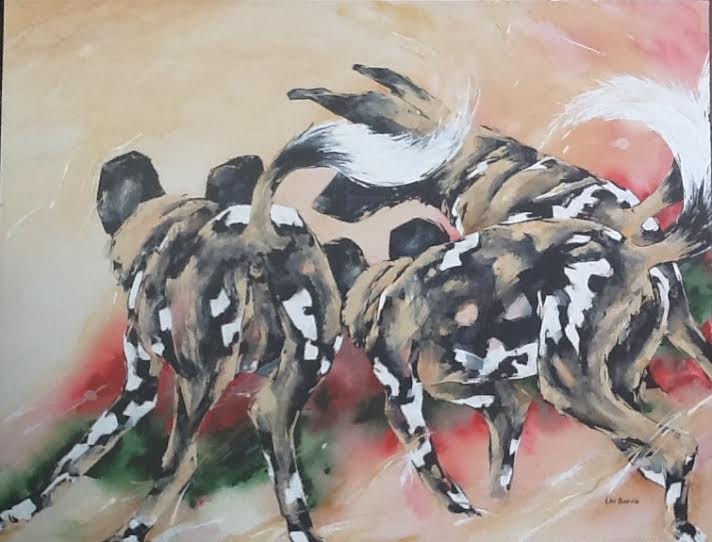
Painting-“Dog Dance”, by Lin Barrie– acrylic on canvas, 100 x 130 cm ……………..

"Dog Dance" by Lin Barrie- acrylic on canvas, 100 x 130 cm

“Dog Dance” by Lin Barrie- acrylic on canvas, 100 x 130 cm

With the easing of our rainy season, the Save river is dropping, allowing easier passage of wild animals such as wild dogs and increasing the chances of wild mammals coming into contact with rabid domestic dogs, so this initiative is non-too soon…..

Every dog vaccinated makes a potential difference….and by the end of this exercise over 1300 dogs were vaccinated and treated for worms!

One man and his dog....

One man and his dog….

At the same time as the vaccination exercise, Helene and Ant Donohoe conducted an Eco -Workshop at Chilo, for members of the Mahenye community and Chilo Staff…more than 20 people attended and all comments afterwards were very positive. This initiative is really useful, helping a diverse cross-section of people to understand the Eco-challenges faced by the whole world, not just Africa…..

Posted in African wild dogs, african wildlife, african wildlife conservation fund, animal rights, art, bio diversity, Chilo Gorge, community conservation, conservation, conservation news, culture, dogs, eco-tourism, education, endangered species, Frankfurt Zoological Society, gonarezhou national park, great limpopo transfrontier conservation Area, Lin Barrie Art, Machangana culture, Painted Dogs, painted wolves, rabies, Rivers, Uncategorized, VAWZ, wilderness, zimbabwe, Zimbabwe Parks | Tagged , , , , , , , , , , , , , , , , , , , , , , , , , , , , , , , , , , | Leave a comment

HAPPY VALENTINE’S DAY, Painted Wolves, red wine and happiness to you all…

HAPPY VALENTINE’S DAY!

Valentine's Hearts from the bush...

Valentine’s Hearts from the bush…

-nothing better than to share a bottle of Painted Wolf Wine…especially since drinking this excellent wine fully supports real conservation for endangered species

Wines for Life...

Wines for WildLife…


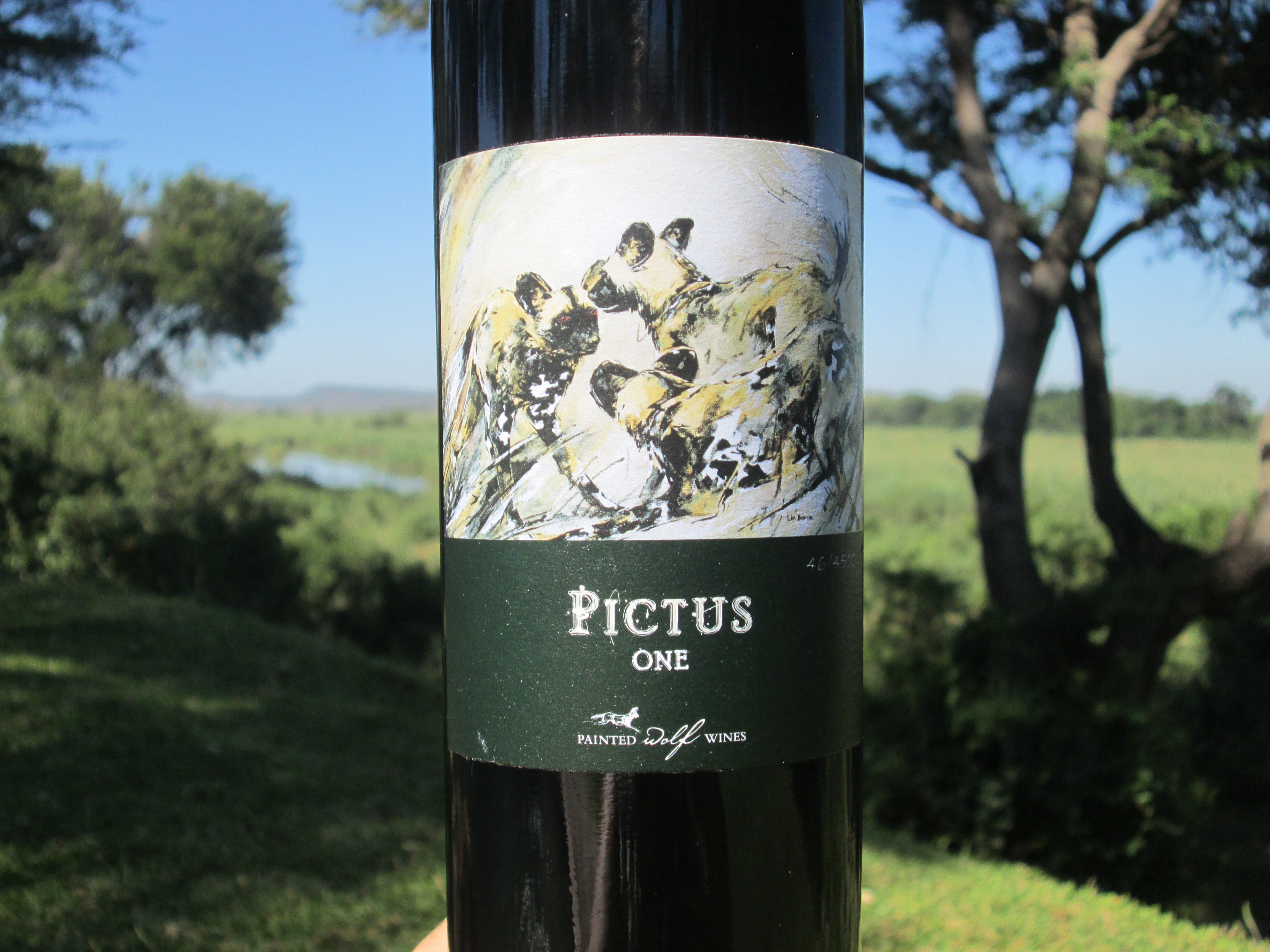
Pictus I is such a wine, read the story in this link

Pictus I wine in Gonarezhou

Pictus I wine in Gonarezhou

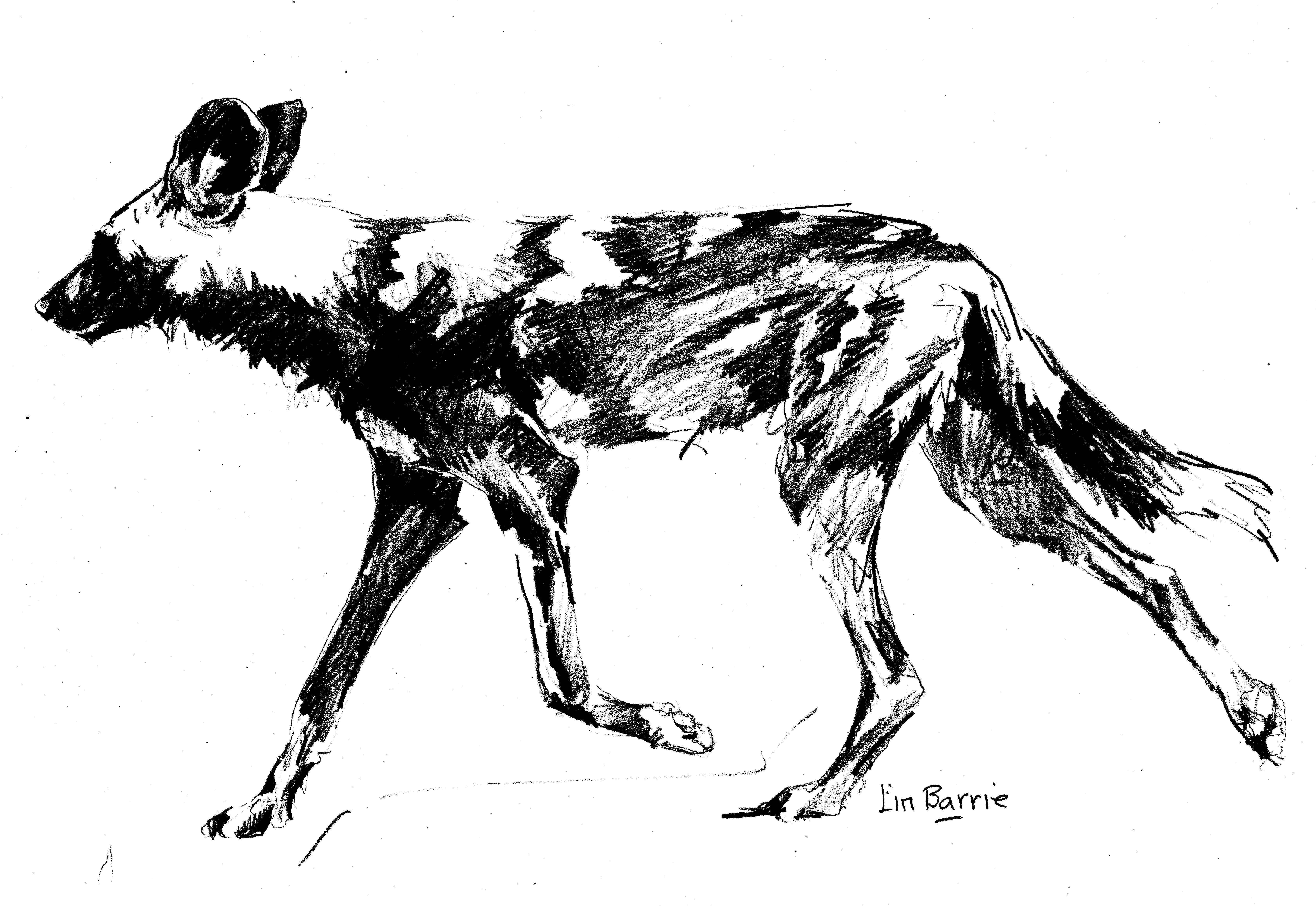
and read more about my favourite painting subject, endangered African wild dogs, (aka Painted Wolves, Painted Dogs),  in my facebook page, A Celebration of Painted Wolves….

African wild dog sketch 1 BW - lo res


https://wildlifeandwilddogs.wordpress.com/art/ will take you to my art catalogue page in this blog……

seems to me that fine food, good wine and conservation go very well, hand in hand….

https://twitter.com/JMiquelWine has gorgeous images for Valentine’s Day..

two hearts

two hearts


Posted in Africa, African flora, bicycle rides, conservation, conservation news, cooking, culture, eco-tourism, endangered species, food culture, gardens, gonarezhou national park, great limpopo transfrontier conservation Area, Lin Barrie Art, love, Painted Wolf Wines, taste, Valentine's Day, wine | Tagged , , , , , , , , , , , , , , , , , | Leave a comment

Valentine’s day preparations…Cute kissing slugs, bugs and orange Crossandra Flowers

Tomorrow is Valentine’s Day…

Today, Friday 13th…Kelli, the cruise ship traveller, gets to San Diego on her ship today, off to Hawaii tomorrow…hard work but wonderful travel experience…

A beautiful day dawns for me, at Chilo

early morning at Chilo

early morning at Chilo

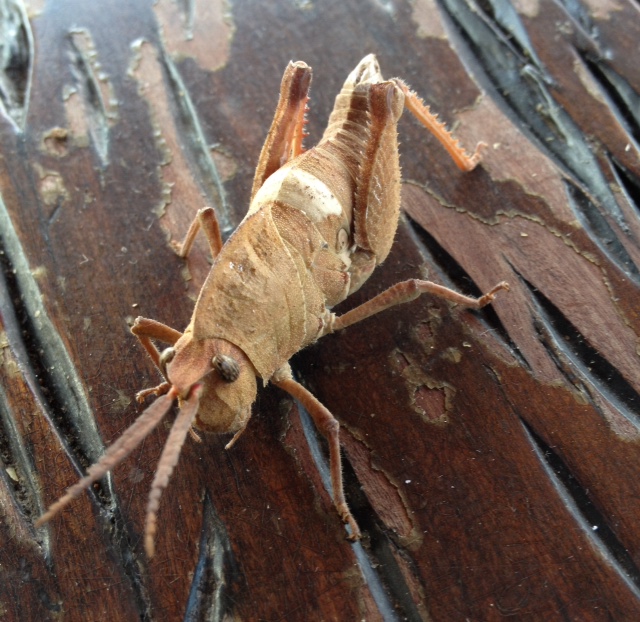
An amazing grasshopper on the deck, who has a solid, rhino-look about him, walks very s-l-o-w-l-y like a chameleon,  then shocks me by leaping into my coffee cup when I try to move him!

Swiftly rescued from the semi-hot coffee, I pour cool water over him, and he seems non the worse for his Starbucks experience….

rhino chameleon grasshopper

rhino chameleon grasshopper

Some of my nocturnal photographs reflect fascinating night life…

Here is a mummy spider carefully carrying her babies, even while she eats a flying ant snack……

Spider mummy eating a flying ant

Spider mummy eating a flying ant

A diminutive, astonished-looking snail…..

tiny snail and deserted egg case. or  cocoon...

tiny snail and deserted egg case. or cocoon…

And cute little kissing slugs, getting in the mood for Valentine’s Weekend at Chilo Gorge Safari Lodge……

kissing slugs

kissing slugs

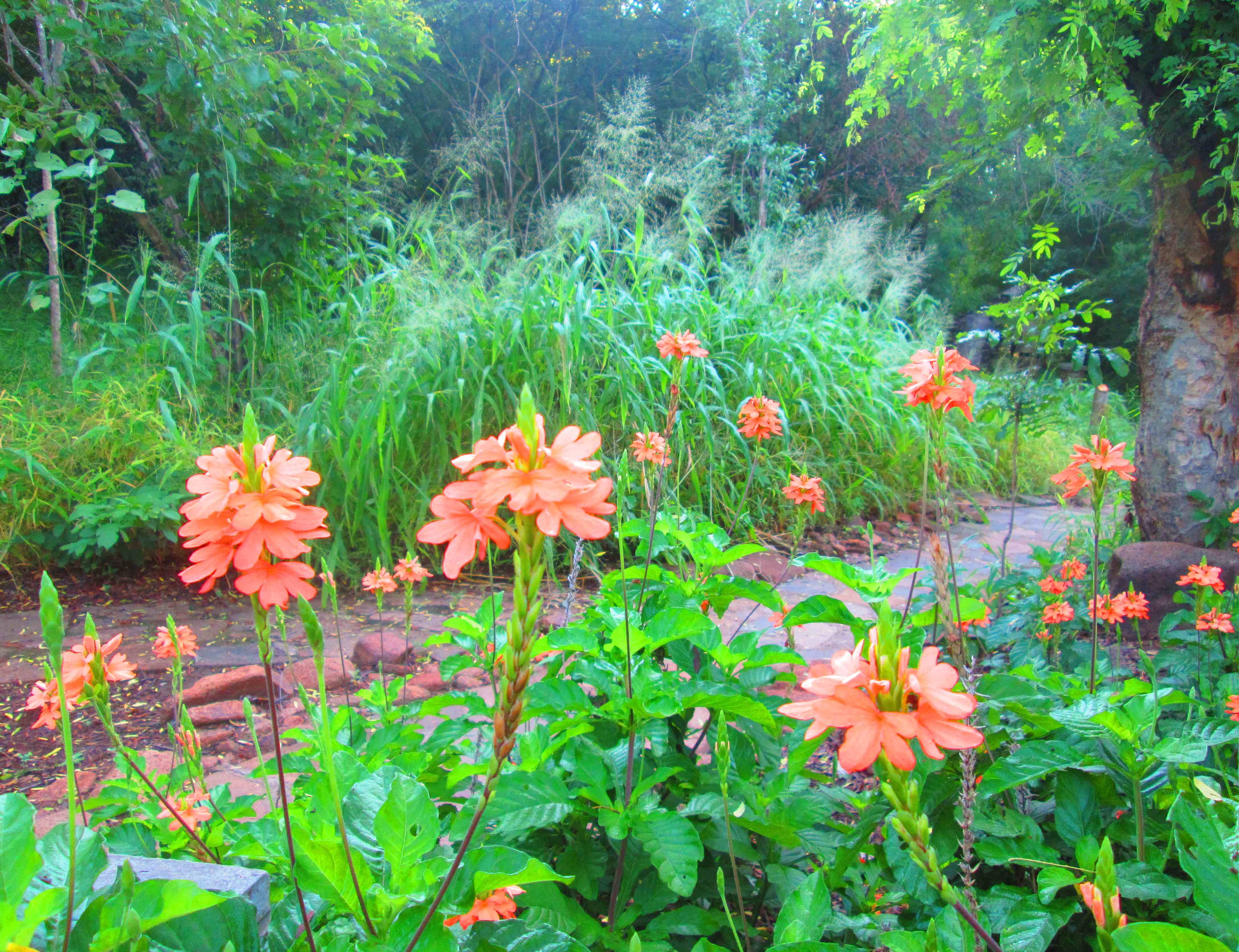
I collect a gorgeous bunch of our indigenous  (and Edible!) Crossandra flowers which are going to decorate the lodge for Valentines Weekend..follow the Edible link to see more about the Crossandra flowers at Chilo Gorge…I have survived eating them for more than a week, so now we know we can safely serve them as food decor!

Crossandra flowers

Crossandra flowers

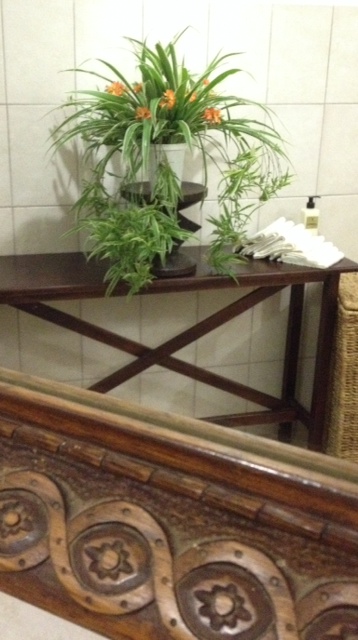
they go into the ladies restroom……….for a start………..

chilo ladies restroom

chilo ladies restroom


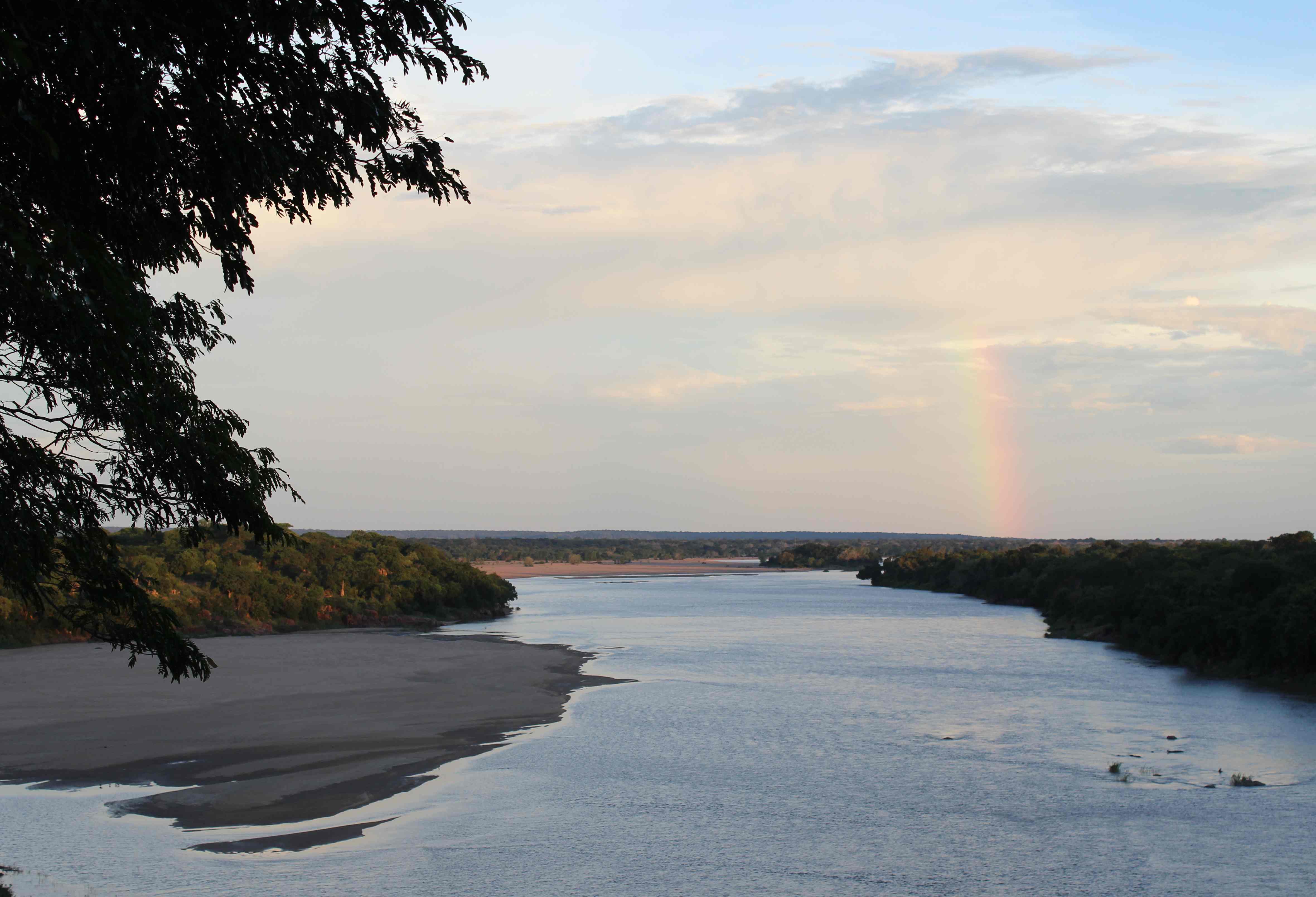
the end of the day brings a glorious rainbow, a Valentine’s promise….!

rainbow

rainbow


Posted in African Safari, african wildlife, beauty, bio diversity, Chilo Gorge, conservation, crafts, eco-tourism, flowers, gardens, gardens and flowers, homegrown, insects, molluscs, Rivers, SAVE, spiders, zimbabwe | Tagged , , , , , , , , , , , , , , , , , , , , , , , , | Leave a comment

Crossandra flowers and tilapia fillets; old “churhi” and Blue waxbill grass…

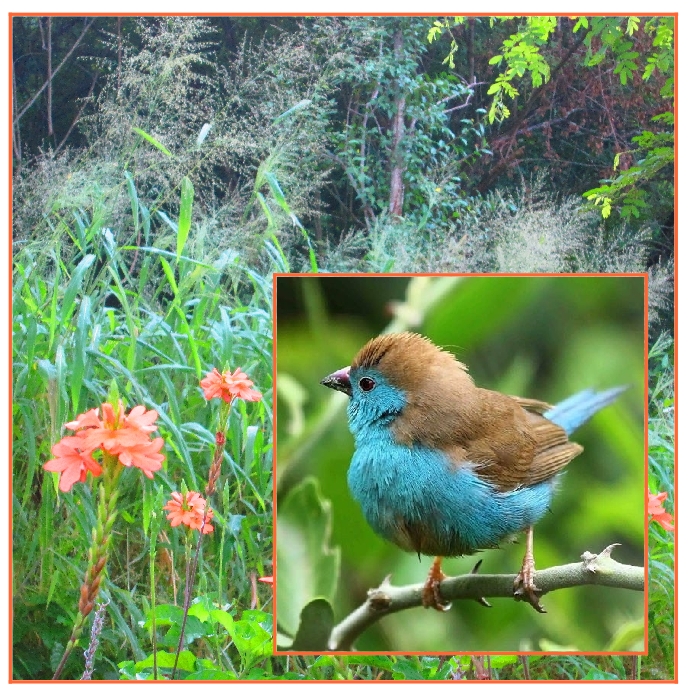
At Chilo Gorge every day brings new beauty, such as this gorgeous Crossandra framed by what I call ‘blue waxbill grass’

Crossandra and blue waxbill grass

Crossandra and blue waxbill grass

I have called it that because I did not know the latin name, but do know that the Blue waxbills love the seeds!

(I now know the latin name, courtesy of Bart Wursten– Panicum maximus!)

Blue waxbill grass....!

Blue waxbill grass….!


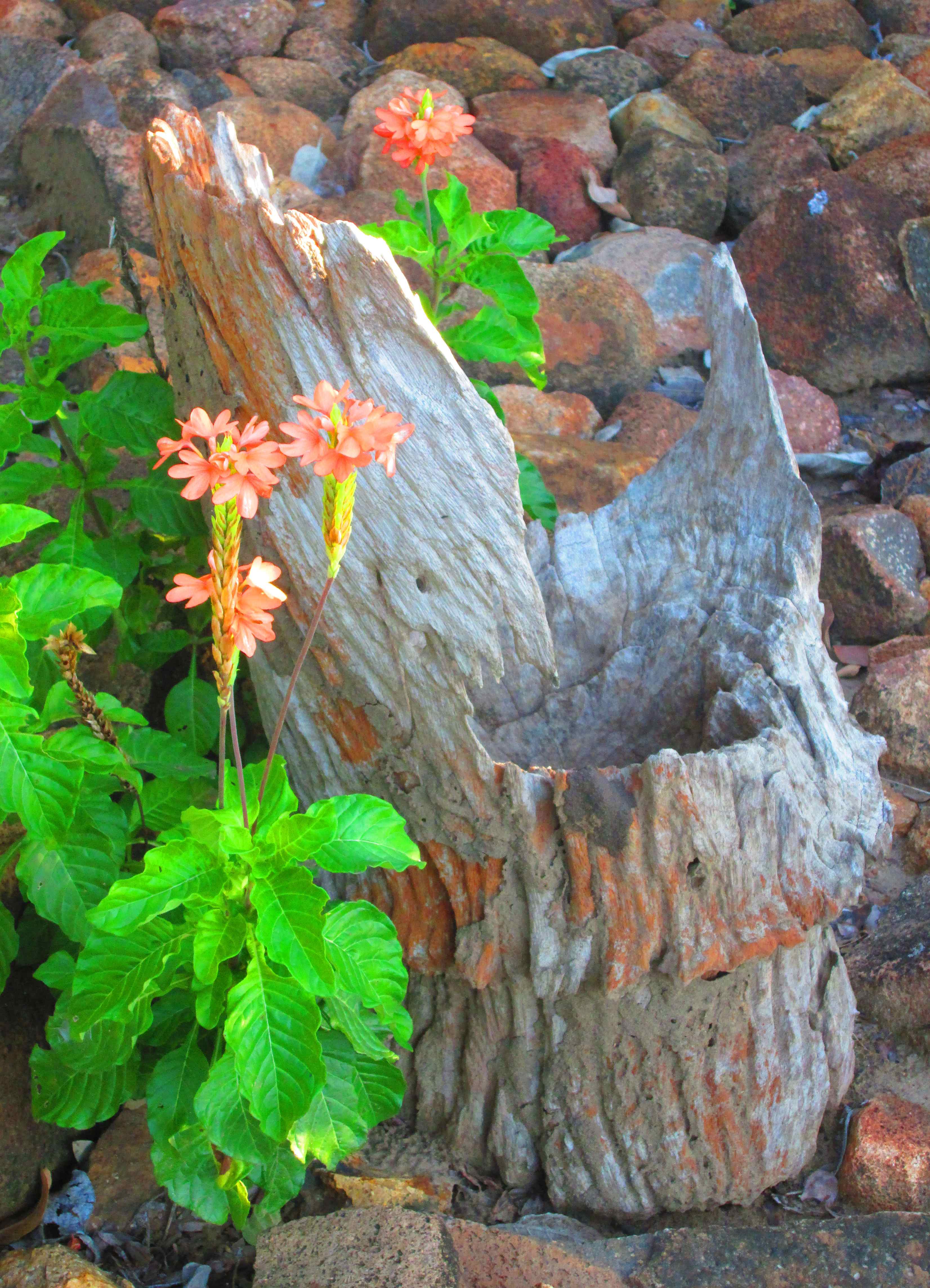
Crossandra is one of my all time favourite lowveld flowers; hardy, stunning and not palatable to naughty elephants….here it is growing in the Chilo rock garden, flowing around an old Changana “churhi”…a vessel used for pounding sorghum or maize with a “mutsi”…

Crossandra and Churhi

Crossandra and Churhi


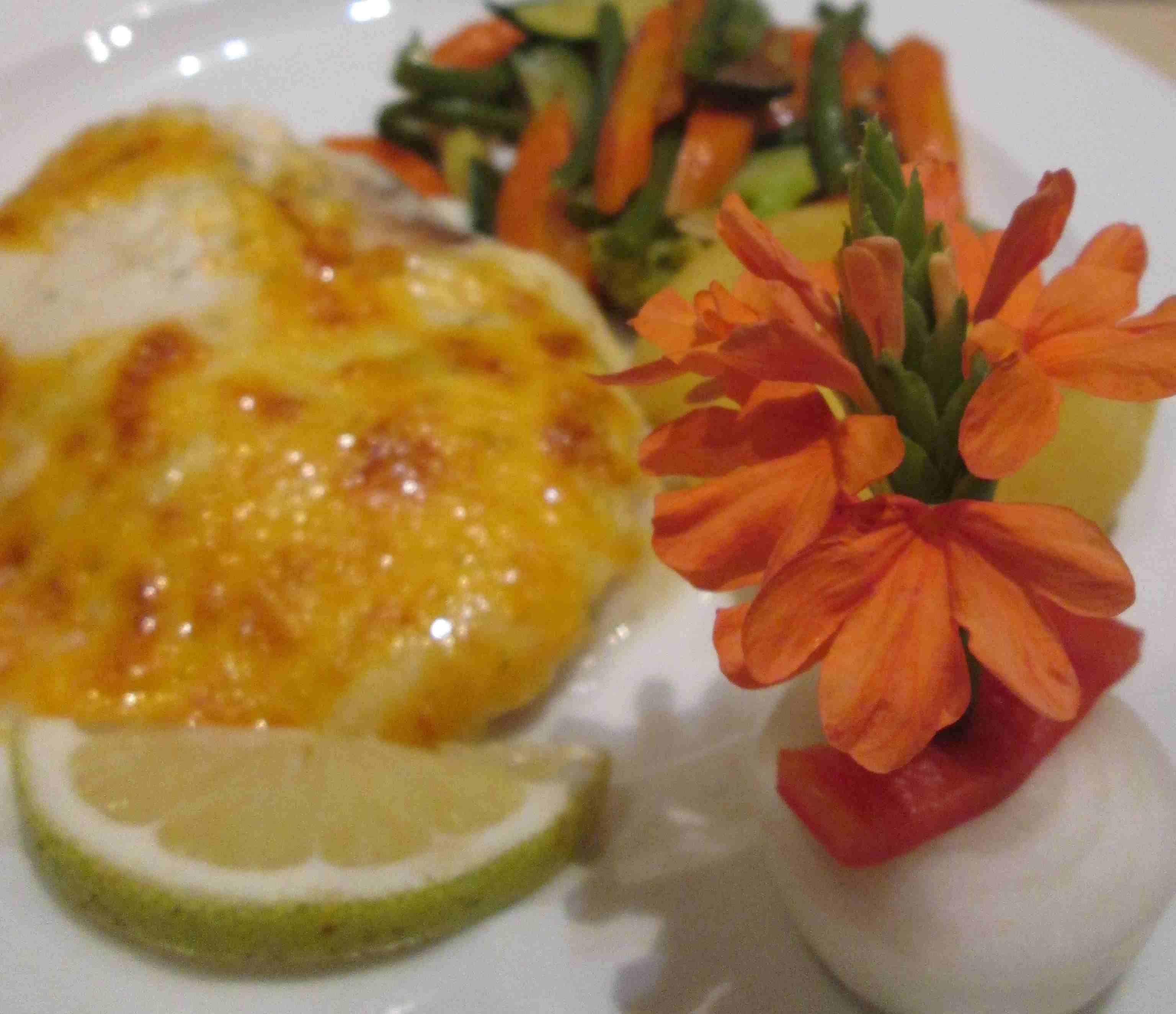
The Chilo chefs love crossandra flowers for food decor……

delicious Tilapia fish dinner

delicious Tilapia fish dinner

so I am conducting an experiment in the name of edible food decor-I am eating five crossandra flowers every day for a week to see whether I have any adverse reaction…thereafter we will feel safe about using it as a table decoration ….

Watch this space……….!

Posted in Africa, African flora, african wildlife, beauty, bio diversity, birding, birds, Chilo Gorge, conservation, cooking, crafts, culture, flowers, food, food culture, gardens, gardens and flowers, home grown food, homegrown, taste, zimbabwe | Tagged , , , , , , , , , , , , , , , , , , , , , , , , , , , , | Leave a comment

Hyenas and Owl at Sunrise, Baobab pulp for breakfast;Tiepolo sky, Moths and Mango at Sunset……

Sunrise brings a watery radiance, the promise of rain, as two hyenas chat to each other in subdued voices across the Save River and as I relax with coffee, in the chair on my veranda at Chilo, a young owl flies off the beam right over my head where he has been sitting, and the wind from his gentle wings flutters my hair………

sunrise with hyenas calling...

sunrise with hyenas calling…

Baobab pulp at breakfast is tart, delicious, sprinkled on natural yoghurt and sweetened with honey….

baobab powder and yoghurt breakfast....

baobab powder and yoghurt breakfast….

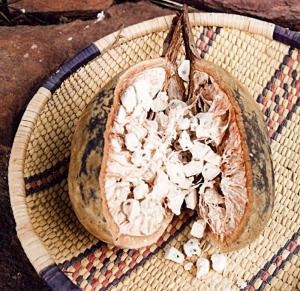
with a list of medicinal and health uses from time immemorial, the Baobab Tree has a fascinating history….we will try cooking biscuits and cakes with this powder from the baobab pod, in place of creme of tarter and bicarb. Yum.

baobab pod

baobab pod

After start like this, the day is guaranteed to be a good one…lots of painting done and jobs achieved, with a body full of vitamin c and va-va-voom from the rich baobab pulp!

The end of the day, looking downriver towards the East, brings a golden glow to the sand that perfectly sums up a happy day’s work…

late afternoon

late afternoon

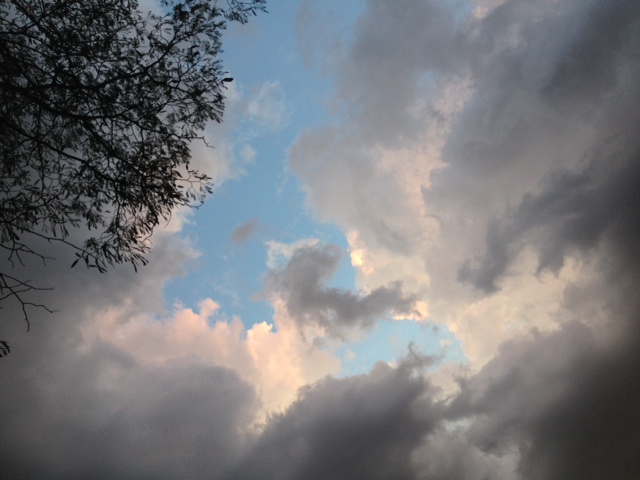
Giovanni Battista Tiepolo, prolific Italian painter and printmaker from the Republic of Venice, comes to my mind this late afternoon as I turn from the eastern river view and gaze up at the luminous Tiepolo sky above me…

Tiepolo sky

Tiepolo sky

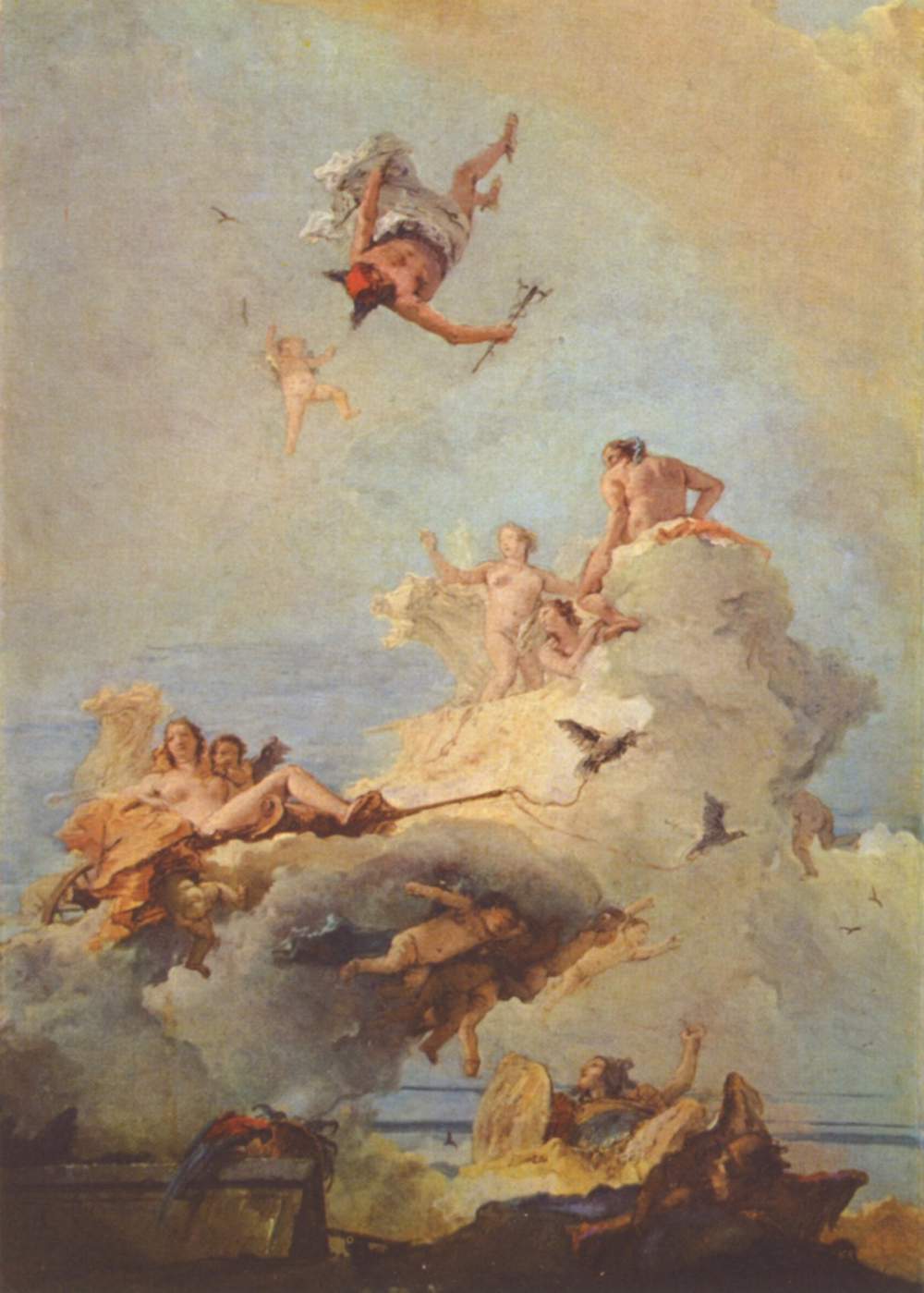
His paintings have always hovered, elemental in the clouds of my mind…strong shadings of light and dark, coupled with a genuine dramatic feeling, such as this gorgeous painting, “Olympus”…

Olympus by Tiepolo

Olympus by Tiepolo

those angels bearing up the darkening clouds could well be imagined in this sky above me now…

dark Tiepolo clouds...where are the angels...?!

dark Tiepolo clouds…where are the angels…?!


Dark falls, Tiepolo’s angels fade, and our delicious open-air supper of cheese, biscuits and local mangoes is also enjoyed by a cheeky moth that comes to slurp up the juices from the mango on Clive’s fork!

Moth and mango

Moth and mango


Posted in Africa, African Safari, african wildlife, art, beauty, birding, birds, Chilo Gorge, cooking, food, home grown food, insects, landscape, organic slow food, owls, predators, Rivers, slow food, taste, Tiepolo, Uncategorized, Zimbabwe National Ballet | Tagged , , , , , , , , , , , , , , , , , , , , , , , , , , , , | Leave a comment

Kelli cruises the world with Vincent Van Gogh, Tequila, Worms and Grasshoppers..

Kelli Barker from Zimbabwe, Africa is cruising the world on the Holland America ship, ms. Statendam- having joined Steiner Leisure as a Health and Beauty therapist!
Anton Milner has joined Steiner, working as an International Fitness Professional, on the Royal Caribbean ship, Independance of the Seas…

Independence of the Seas

Independence of the Seas

One of our special farewell times was spent on the beach of The Save River at Chilo Gorge….

Anton and Kelli on the beach of the Save River at sunset....

Anton and Kelli on the beach of the Save River at sunset….

Grandly proportioned and recently enhanced, ms Statendam offers an onboard experience defined by spacious comfort………….

ms Statendam

ms Statendam

Exhibiting a theme of historical Dutch life and exploration, ms Statendam features more than $2 million worth of art and rare artifacts beautifully displayed throughout the ship….. such as this 26-foot-high sculpture titled “Fountain of the Siren”……
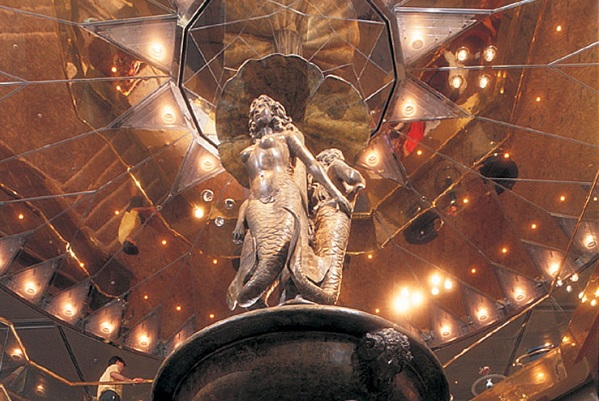
Fountain of the Sirens...

Fountain of the Sirens…


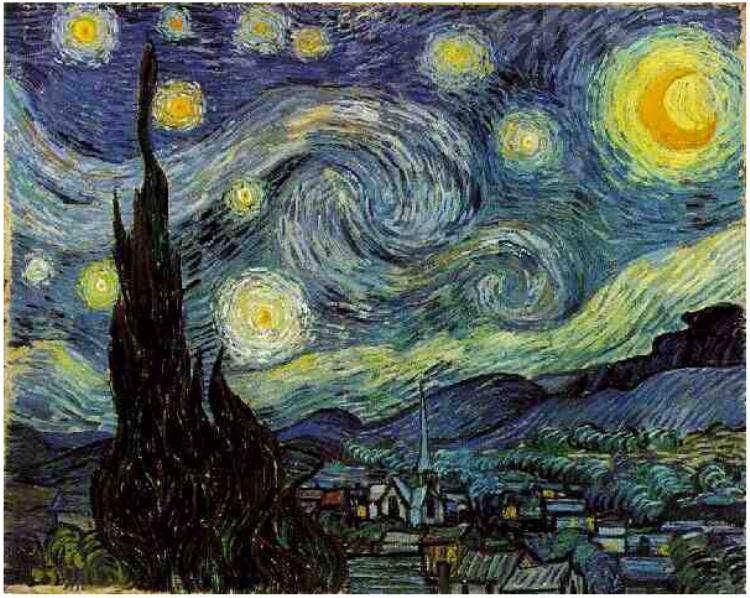
The Van Gogh Theatre in the ship is a work of art in itself, commemorating Dutch artist Vincent Van Gogh’s paintings “The Starry Night” and “Irises.” This is thrilling to me, Van Gogh being an iconic artist for me………………
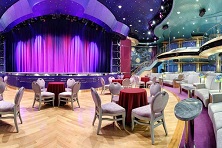
theatre

theatre

Some of the best known works of all time were painted by the Dutch Post-Impressionist artist, Vincent Willem Van Gogh (1853 -1890).

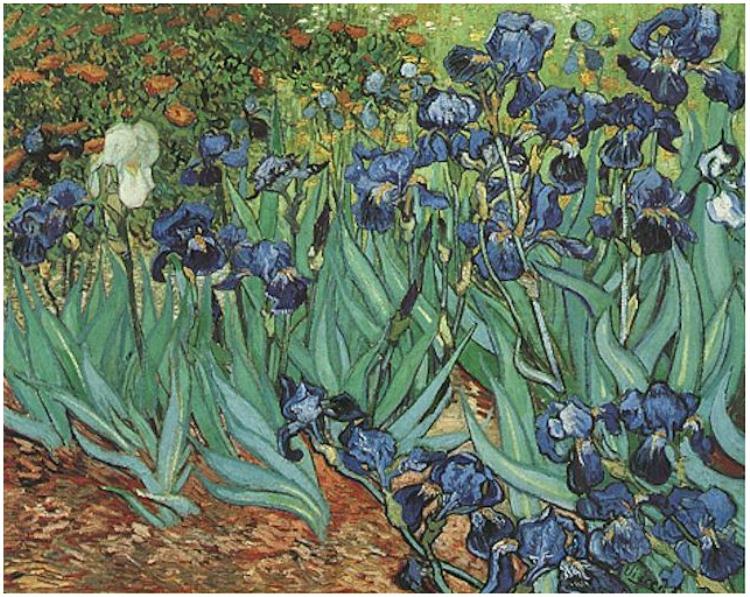
“Irises” is among the most recognized of his pieces………..
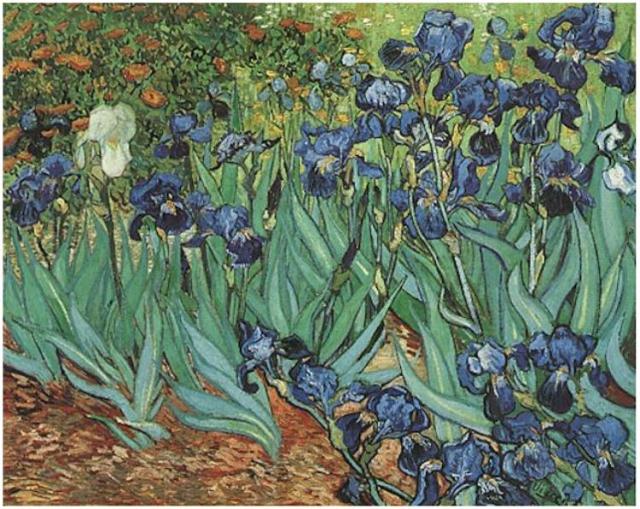
"Irises" by Vincent  Van Gogh

“Irises” by Vincent Van Gogh


On May 8, 1889, Vincent Van Gogh committed himself to the asylum at Saint Paul-de-Mausole in Saint-Remy, France after many instances of hospitalization and self-mutilation. During his stay he painted some 130 paintings with the surrounding gardens and clinic becoming his main subjects for painting.

Among these were “The Starry Night” and “Irises”.

Inspired by the nature surrounding him, Van Gogh began his work on Irises within the first week of his stay at the asylum. Irises was most likely influenced by Japanese woodblock prints which were produced beginning in the 17th century. Like many artists of his time Van Gogh was influenced by the Japanese works. The use of black contours in Irises is a typical element of Japanese woodblock prints, helping to reinforce the expressive power of the painting.

There are no known drawings of the piece, probably because Van Gogh did not consider it a masterpiece but simply a study. Upon receiving the canvas, Van Gogh’s brother, Theo, submitted it, along with The Starry Night, to the Salon des Independants in September of 1889.

Irises is on the list of the most expensive paintings ever sold, selling for 54 million dollars in 1987. Currently Irises is on display at The Getty Center in Los Angeles, California.

Starry Night by Vincent van Gogh………….

Starry Night by Vincent Van Gogh....

Starry Night by Vincent Van Gogh….

Although Van Gogh sold only one painting in his life, the aftermath of his work is enormous. Starry Night is one of the most well known images in modern culture as well as being one of the most replicated and sought after prints. From Don McLean’s song ‘Vincent’ (Starry, Starry Night) , to the endless number of merchandise products sporting this image, it is nearly impossible to shy away from this amazing painting.

Starry Starry Night by Don Maclean

http://www.vangoghgallery.com/painting/starrynightlyrics.html

During Van Gogh’s younger years (1876-1880) he wanted to dedicate his life to evangelization of those in poverty. Many believe that this religious endeavor may be reflected in the eleven stars of the painting “Starry Night”.

In Genesis 37:9 the following statement is made:

“And he dreamed yet another dream, and told it his brethren, and said, Behold, I have dreamed a dream more; and, behold, the sun and the moon and the eleven stars made obeisance to me.”

Whether or not this religious inspiration is true, it is known that the piece is not the only Starry Night painting that Van Gogh ever created. The stars were a recurrent theme for him.

So- Kelli is on a 15 Days Panama Canal Cruise from San Diego to Fort Lauderdale…..!

The food is fabulous she says….lots of choice!

yummy food

yummy food

Kelli can make some memories, in between working very hard, at intriguing ports-of-call such as Cartagena, Colombia, where one can explore the history of the area by horse and carriage.


Ports of Call:

San Diego, California;

Puerto Vallarta, Mexico;

Huatulco, Mexico;

Kelli says:

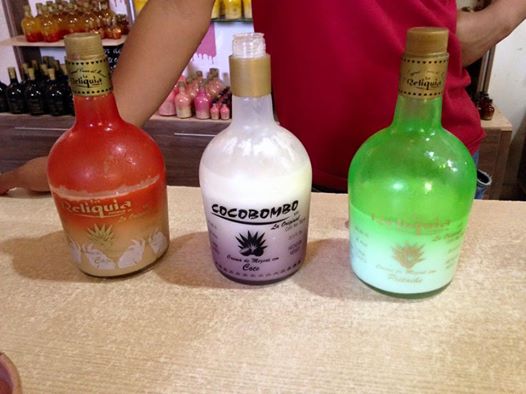
“In Huatalco Mexico today enjoying the tequila with worms and grasshoppers”

tequila, worms and grasshoppers....

tequila, worms and grasshoppers….

funny…these bottles are the same shape as our “bottle baobab” near Tsavene,  our bush home in Senuko Ranch Zimbabwe…

bottle baobab on senuko ranch

bottle baobab on senuko ranch

Puerto Quetzal, Guatemala;

Puerto Corinto, Nicaragua;

Puerto Caldera, Costa Rica;

Maybe Kelli will get a chance to view some of the worlds greatest bio-diversity in Costa Rica, if she is not head down and working!
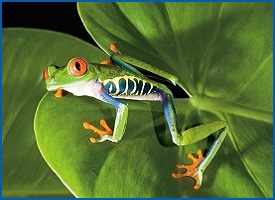
 

gorgeous tree frog

gorgeous tree frog.. inspiration for exotic make up!


Panama Canal, Panama;

The Panama Canal (Spanish: Canal de Panamá) is a 77.1-kilometre (48 mi) ship canal in Panama that connects the Atlantic Ocean (via the Caribbean Sea) to the Pacific Ocean. The canal cuts across the Isthmus of Panama and is a key conduit for international maritime trade. There are locks at each end to lift ships up to Gatun Lake, an artificial lake created to reduce the amount of excavation work required for the canal, 26 metres (85 ft) above sea level.

ms Statendam in pananam canal

ms Statendam in panana canal


The American Society of Civil Engineers has named the Panama Canal one of the seven wonders of the modern world.

Panama canal map

Panama canal map


Cartagena, Colombia;

Cartagena de Indias is the undisputed queen of the Caribbean coast, a fairytale city of romance, legends and superbly preserved beauty lying within an impressive 13km of centuries-old colonial stonewalls. Cartagena’s old town is a Unesco World Heritage Site – a maze of cobbled alleys, balconies covered in bougainvillea, and massive churches casting their shadows across plazas.

But then there is the outer town, full of traffic, the working class, and a chaotic nature that can leave you dazed and confused in minutes. It is here that Cartagena becomes a typical workhorse South American city. To the south, the peninsula of Bocagrande – Cartagena’s Miami Beach – is where fashionable cartagenos sip coffee in trendy cafes, dine in glossy restaurants and live in the upscale luxury condos that line the area like guardians to a New World.

Cartagena is a place to drop all sightseeing routines. Instead, just stroll through the old town day and night. Soak up the sensual atmosphere, pausing to ward off the brutal heat and humidity in one of the city’s many open-air cafes.

Cartagena by night

Cartagena by night

Holding its own against Brazil’s Ouro Preto and Peru’s Cuzco for the continent’s most enthralling and righteously preserved colonial destination, it’s hard to walk away from Cartagena – it seizes you in its aged clutches and refuses to let go.

Cartagena, Columbia
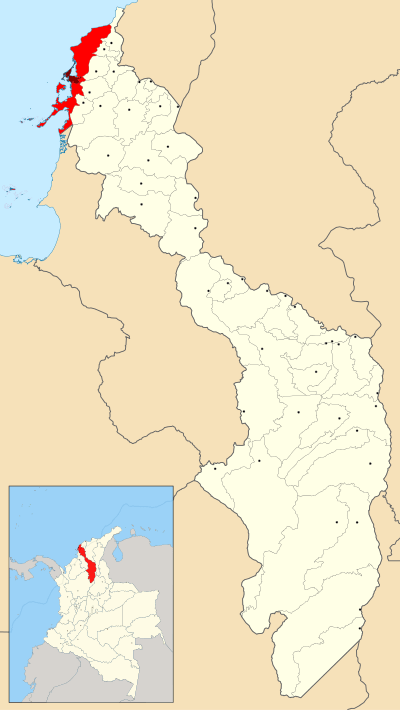
Cartagena, Columbia


Cartagena map

Cartagena map


Half Moon Cay (Little San Salvador Island), Bahamas;
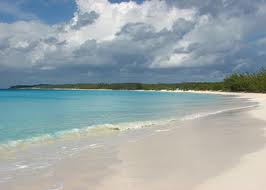
gorgeous beach

gorgeous beach

Half Moon Cay is a private island, a stop of for the ms Statendam…
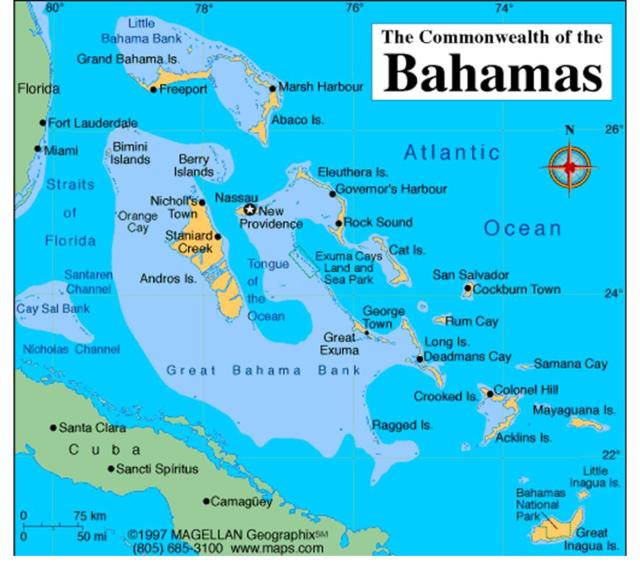
Half-Moon-Cay

Half-Moon-Cay

Maybe Kelli will get to swim with rays in between caring for her guests!
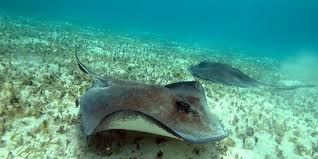
rays

rays

Some of her recent photos of Half Moon Cay…

 

sparkling beaches

sparkling beaches


Selfie…!

Kelli Barker

Kelli Barker


Shipwreck….

shipwreck...

shipwreck…


Fort Lauderdale, Florida. 

A stop to drop off and pick up more passengers…

then retracing the cruise route back through the Panama Canal, stopping at Cabo San Lucas,  before heading to port in San Diego…

Some background to Cabo…

Cabo San Lucas, commonly called Cabo in American English, is a city at the southern tip of the Baja California peninsula, in the Mexican state of Baja California Sur. Cabo San Lucas together with San José del Cabo is known as Los Cabos.
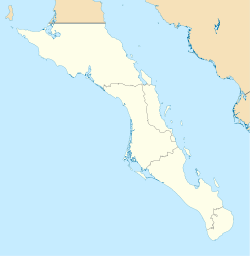
map

map

Land’s End is by far the most impressive attraction Cabo has to offer. Hop on a panga (M$150) and head to El Arco (the Arch), El Arco de Cabo San Lucas a local landmark.a jagged natural feature that partially fills with the tide. Pelicans, sea lions, sea, sky – this is what brought people to Cabo in the first place, and it’s still magical, despite the backdrop of cruise ships.

Land's End...

Land’s End…


Cabo Wabo Cantina…stared by Van Halen RockBand member, Sammy Hagar.

http://www.cabowabocantina.com/history/
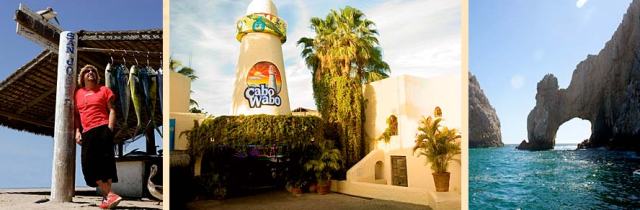
Cabo Wabo Cantina

Cabo Wabo Cantina

El Vizcaíno Biosphere Reserve is Mexico’s largest protected area. Ecosystems found within the reserve include arid zones, dunes and a 5 km-wide littoral zone along its 450 km of coast. The reserve also includes three gray whale sanctuaries …..

coastal vegetation

coastal vegetation

In the winter, pods of whales can be observed in the area. They bear their calves in the warm waters of the Sea of Cortez after completing their six-thousand-mile migration from Alaska and Siberia.

Sea of Cortez, named for legendary conquistador Hernán Cortés

Vizcaíno’s region is biologically rich; its marine resources are especially important. There are 308 terrestrial and marine vertebrates inhabiting the reserve, not including fish. There are 469 flora species, most of which are shrubs and small trees. There are 39 regionally endemic floral species. In addition to its biological diversity, the reserve includes more than 200 caves with rupestrian paintings and petroglyphs.

Archaeological excavations have shown evidence of continual human habitation in the area for at least ten thousand years.[4] When the first Europeans arrived, they encountered the Pericú people, who survived on a subsistence diet based on hunting and the gathering of seedsrootsshellfish, and other marine resources. They called the location Yenecamú

Threats

El Vizcaíno Reserve is threatened and there is a great risk that in the near future it will fail to protect and maintain its biodiversity. The main threats include agriculture, overuse of groundwater reserves, extensive grazing, illegal fishing, and legal and illegal hunting. Future, potential threats include a mega-tourism/infrastructure project called “Escalera Náutica” or Nautical Ladder, and mining activities. 

Until fairly recently,[when?] the unique and fragile environment of this part of Mexico was largely unprotected by law, and therefore was subjected to developers acting in concert with government agencies interested only in low-end tourist bonanzas. There is, however, a growing collection of activists and attorneys now involved in preserving many of Baja’s desert habitats, marine mammals, and stretches of coastline. A number of agencies including the Gulf of California Conservation Fund[7] and the Center for Environmental Law in La Paz[8] are challenging the destruction of wetlands and other ecosystems from Los Cabos to Ensenada. In the face of a growing international public demand for corporate-driven ecological stewardship, higher-end resorts in the Los Cabos area are increasingly sensitive to their environmental impact, and are taking initial steps to institute sustainable practices such as reducing water usage and non-recyclable trash output

CURRENT POSITION

http://www.seascanner.com/schiffsposition.php?schiff=statendam
.


Posted in Africa, art, art exhibition, bio diversity, cruise ships, culture, Dutch life, food, food culture, interior design, Miami, taste, theatre | Tagged , , , , , , , , , , , , , , , , , , , , , , , , , , , , , , , , , | Leave a comment

Mahenye Sand Forest; Secret Paths and Millipedes; Special Birds and Botany

A trip to the Mahenye Sand Forest from Chilo Gorge Safari Lodge in the rainy season is a voyage of discovery….

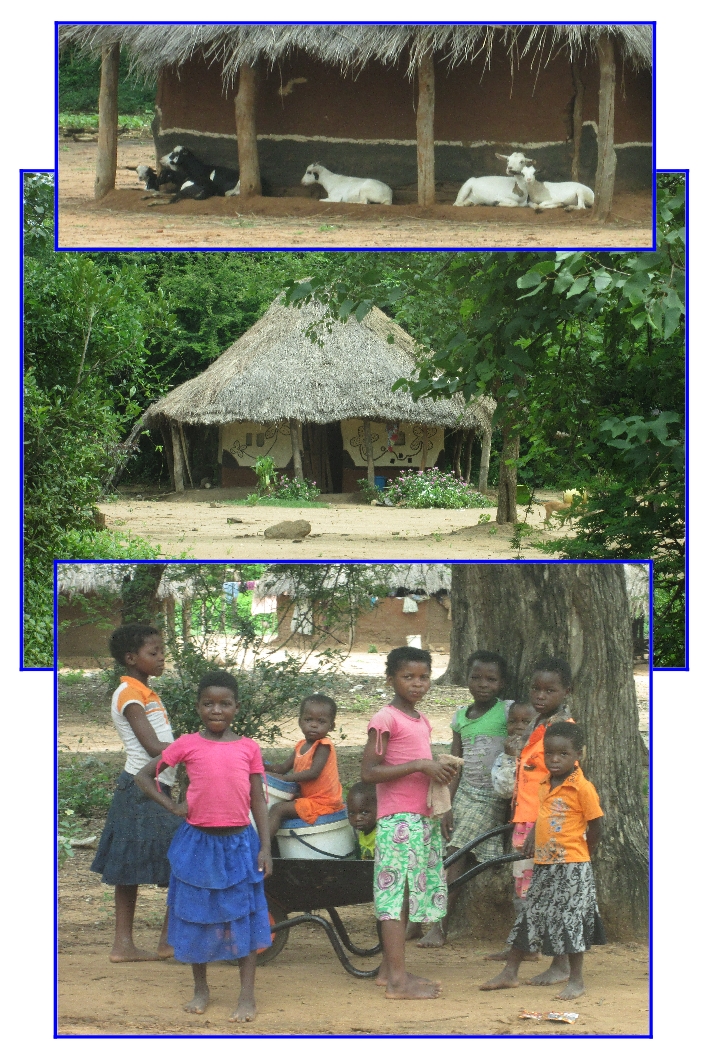
First comes the ride through the Mahenye Village, a haven of big trees, hand painted huts and friendly faces…

Mahenye village children...

Mahenye village children… collecting water


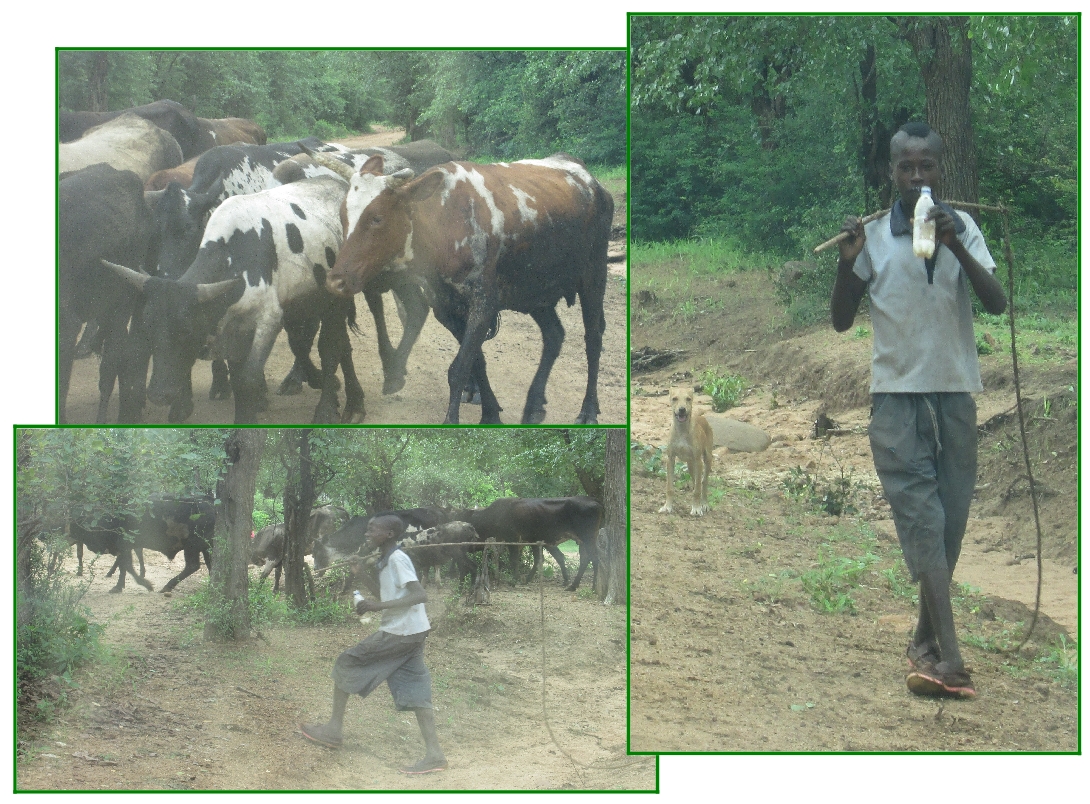
This Mohawk-adorned cattle herder has great charisma…as do his gorgeous spotted beasts!

cattle herder and his Nguni cattle...

cattle herder and his Nguni cattle…


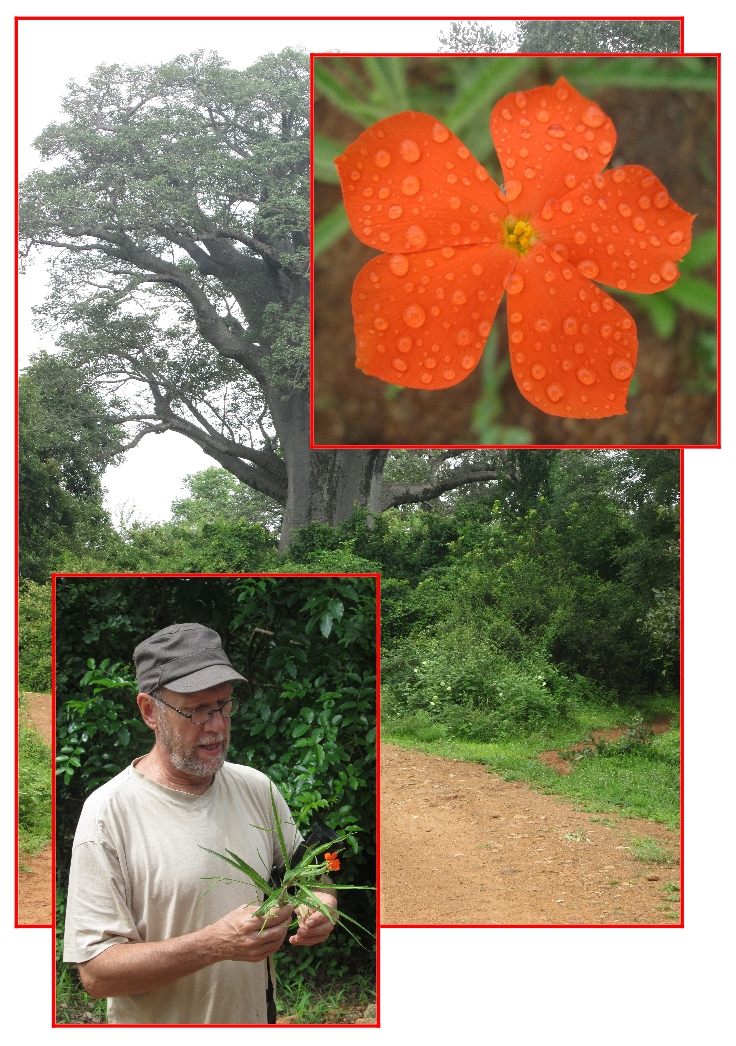
Stopping frequently, VERY frequently…along the way, as is the habit of master botanists Bart Wurstens and Petra Ballings,  we learn about  stunning scarlet  longipedunculta flowers…

Bart and longipedunculata

Bart and longipedunculata


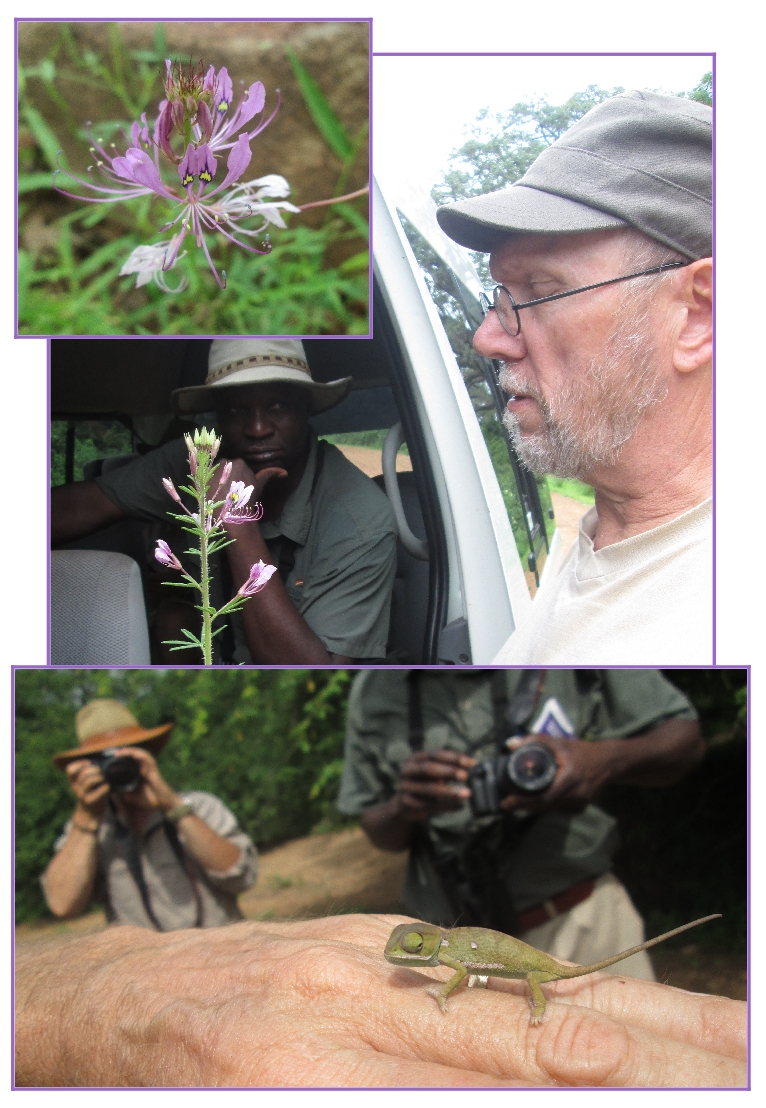
Thomas Mutombeni and Bart discuss the Cleome genus, while a tiny chameleon becomes the  shy centre of paparrazzi attention…

cleome, chameleon, Thomas and Bart...

cleome, chameleon, Thomas and Bart…


Clive gets a lesson in Hibiscuses…..

Clive gets a lesson in hibiscuses from Bart....

Clive gets a lesson in hibiscuses from Bart….


Entering the Sand Forest, emerald-shrouded pathways lead ever deeper into the enticing scenery and I feel like I am walking through a fairy tale of the best kind, bright butterfly wings, beetles and millipedes decorating the way, birdsong and shafts of sunlight filtering through the impossibly green leaves…

the secret path in the sand forest

the secret path in the sand forest

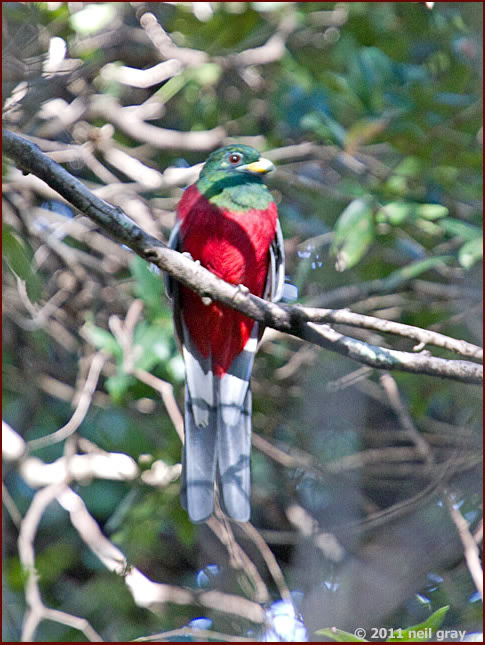
and all enhanced by the possibility of sighting or at least hearing  a long-tailed forest bird which is one of southern Africa’s most spectacular species, a  Narina trogon, with bright green body and crimson breast….

Narina trogon -photograph by Neil Gray

Narina trogon -photograph by Neil Gray


Millipedes of every variety….

gorgeous green millipede

gorgeous green millipede


and here is a very fat, rolled millipede, who, if you look closely, has his own set of tiny hitch-hiker lice ……!

fat millipede and hitchhikers...

fat millipede and hitchhikers…


Passing a tree trunk, I am distracted by a tiny mollusc….
interesting little snail in the sand forest

interesting little snail in the sand forest


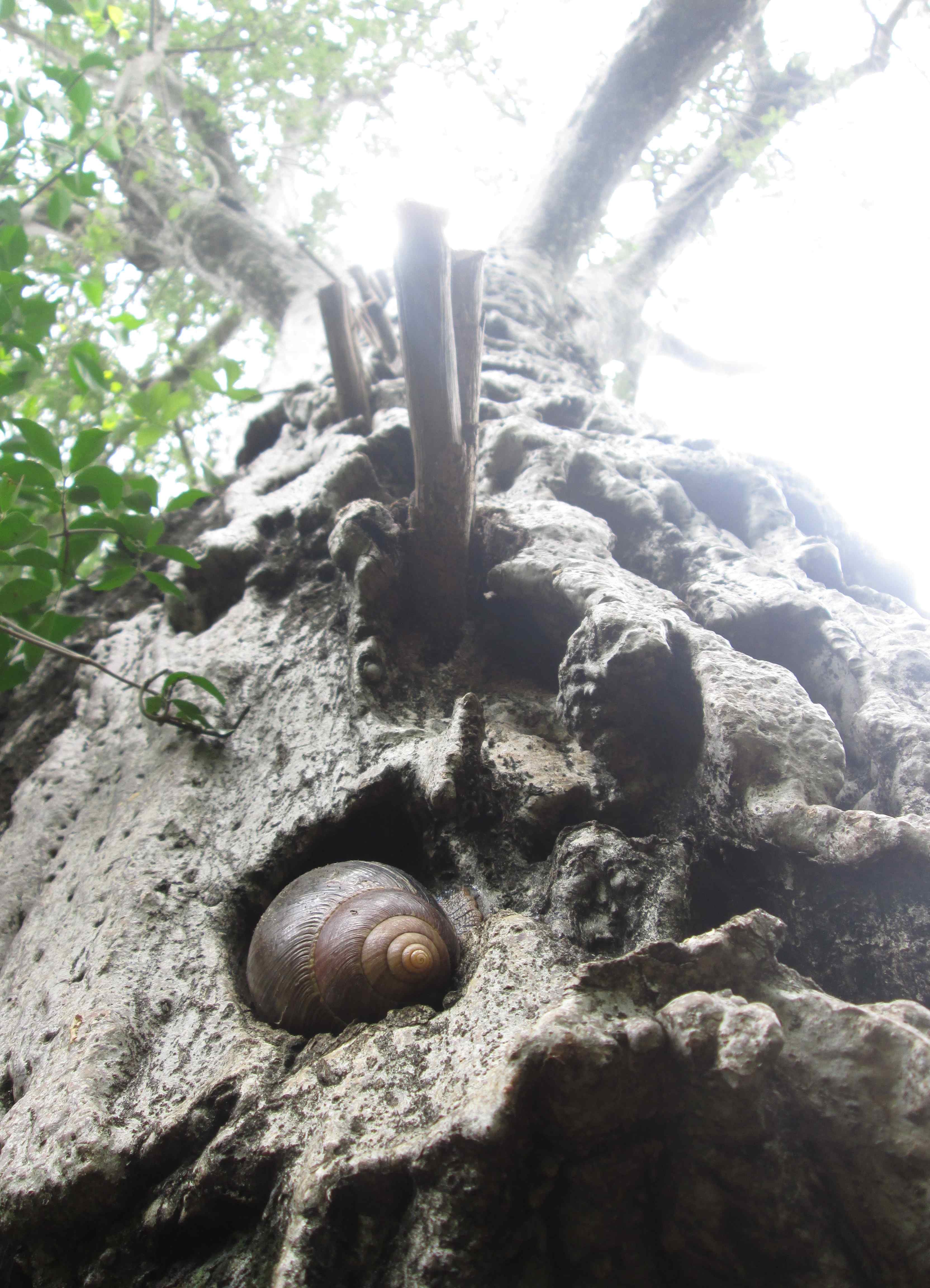
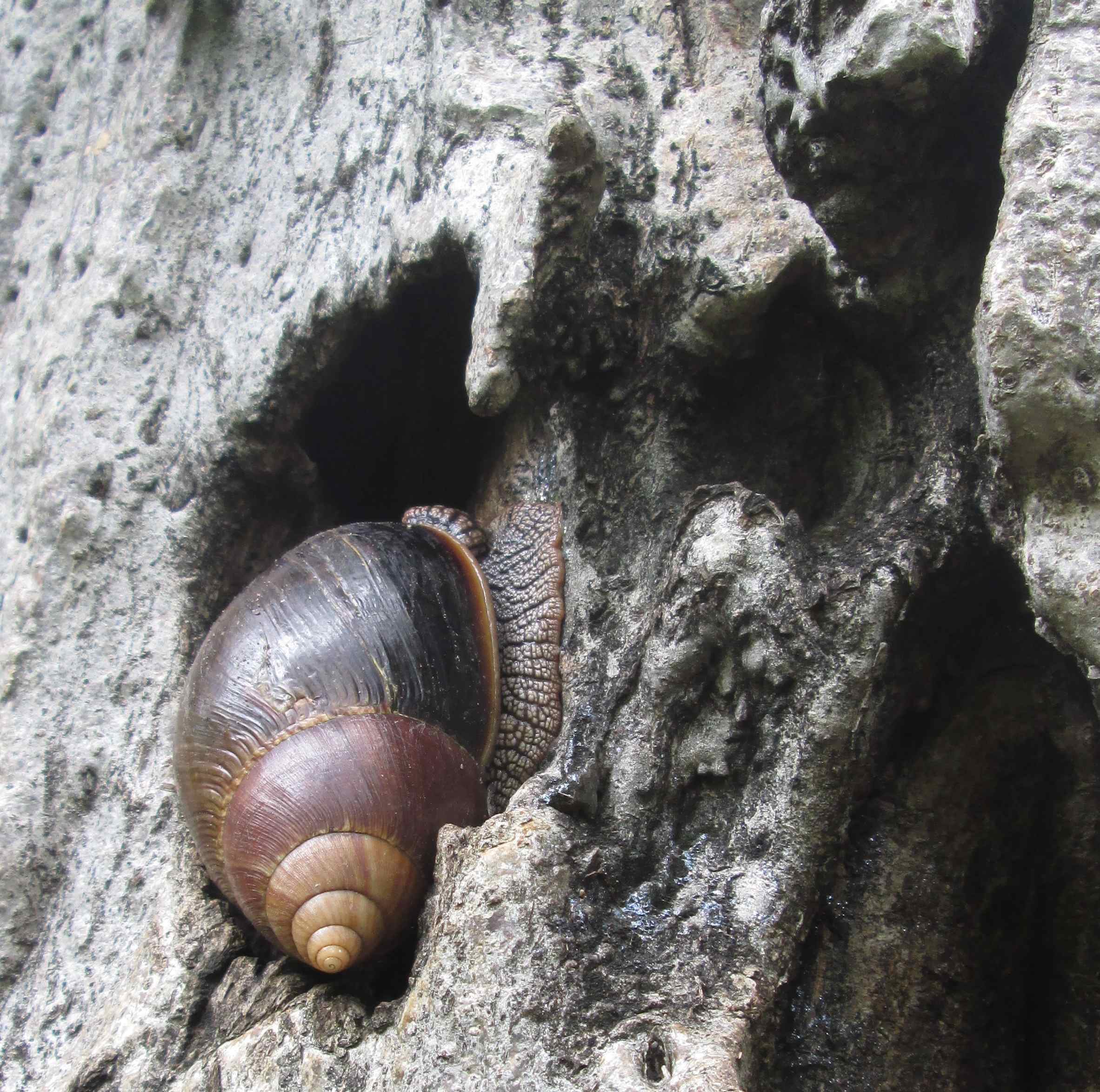
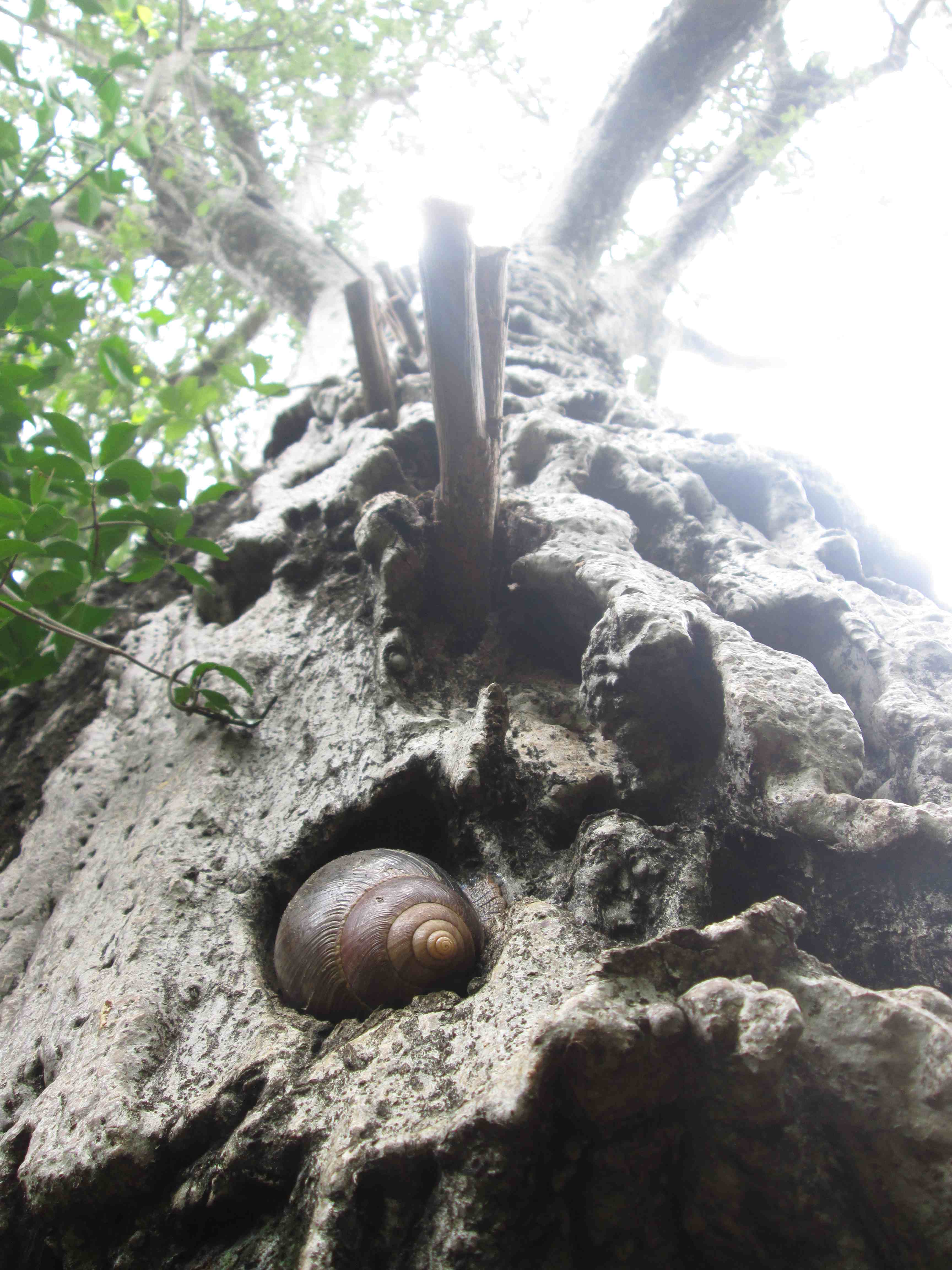
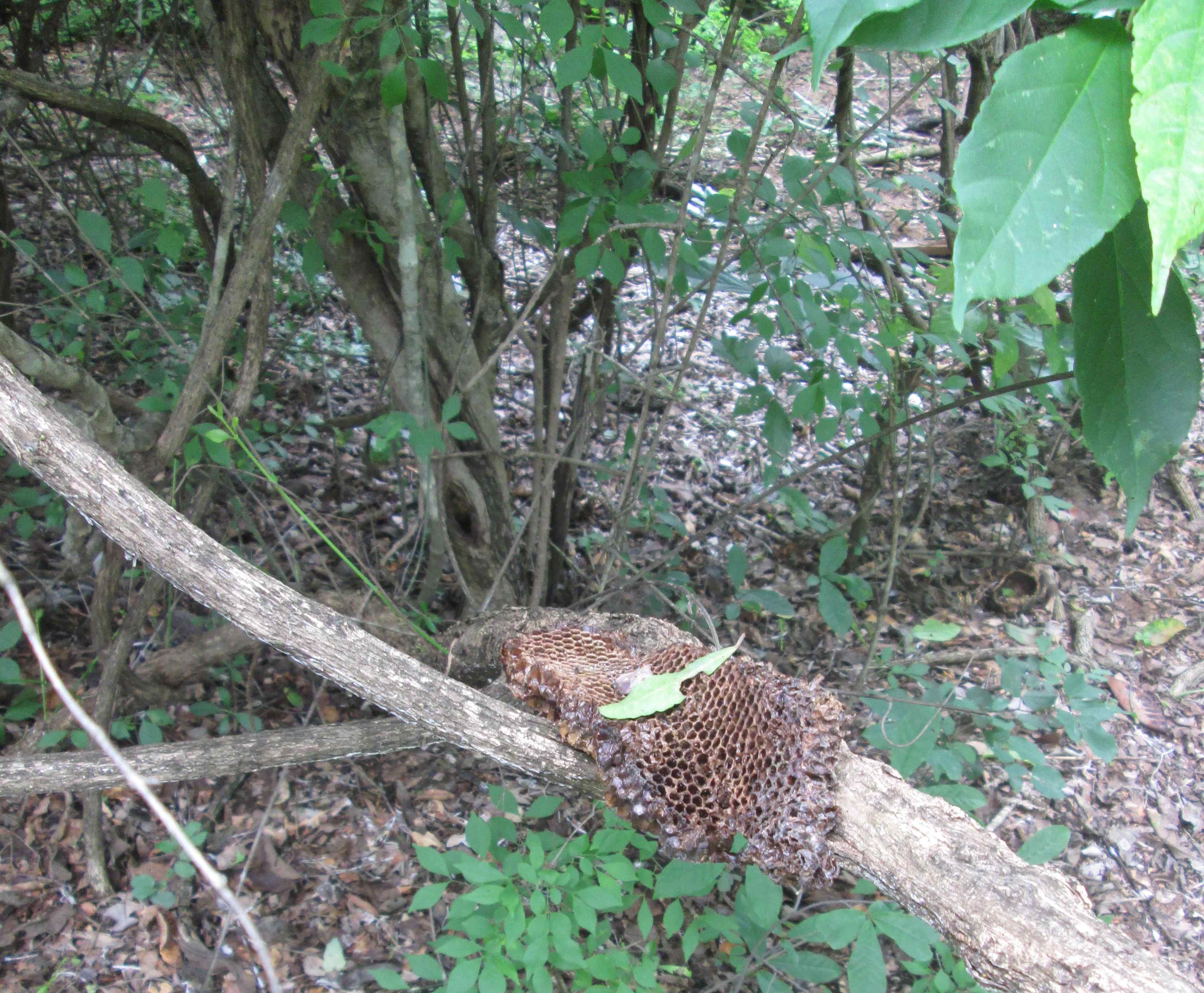
which, in turn, leads me down a side path to an ancient baobab, where are the recent pegs and ancient peg marks of  honey-gatherers adorning the pitted grey trunk of the tree. What stories this tree could tell of the last few hundred years and more….a treasure trove of fables, moral tales and fairy stories!

Pegs and giant land snail

Pegs and giant land snail

Maybe this Giant land snail, sheltering in a peg hole, is plugged into some of those stories that are whispered in those peg holes….

Giant land snail in peg hole on baobab trunk...

Giant land snail in peg hole on baobab trunk…


Our fascinated way leads us past many funky fungi………

funky fungi

funky fungi

and down enchanting pathways, onto the GREAT tree…a Xanthocercis zambesiaca, common name Nyala Berry, which dwarves Bart and Petra…

Xanthocercis zambesiaca, with Bart and Petra

Xanthocercis zambesiaca, with  beetle, Bart and Petra…


so many special birds abound here, often shy, heard but not seen, but no less the fascinating for happy birders….jungle dwellers such as Green Coucal, Narina trogon, Gorgeous bush shrike, Red throated Twinspot, Scaly throated honey guide, Chestnut fronted helmut shrike, Southern banded snake eagle, African broadbill….the list goes on!

Petra Ballings has created a stunning collection of images of Chilo Gorge Safari Lodge

(https://flic.kr/s/aHsk8tguv4)…….

Petra and chameleon

Petra and chameleon


Posted in Africa, African flora, African Safari, african wildlife, beauty, birding, birds, Chilo Gorge, community conservation, conservation, culture, eco-tourism, education, flowers, great limpopo transfrontier conservation Area, Honey gatherers, Hunter gatherers, insects, landscape, molluscs, Nguni cattle, photography, reptiles, safari, sharing, slow food, Uncategorized, wilderness, zimbabwe | Tagged , , , , , , , , , , , , , , , , , , , , , , , , , , , , , , , , , , , , , , , , , , , , | Leave a comment

Bees and malaria; Honey gatherers and baobabs….

Honey Gatherers and bees have been much on my mind…

when we walk through the sand forest near to Mahenye village I photograph the pegs and ancient pegs marks on a baobab trunk…

Pegs in the pitted trunk

Pegs in the pitted trunk

and the giant land snail who has found refuge in a peg mark from ancient history…

Pegs and giant land snail

Pegs and giant land snail

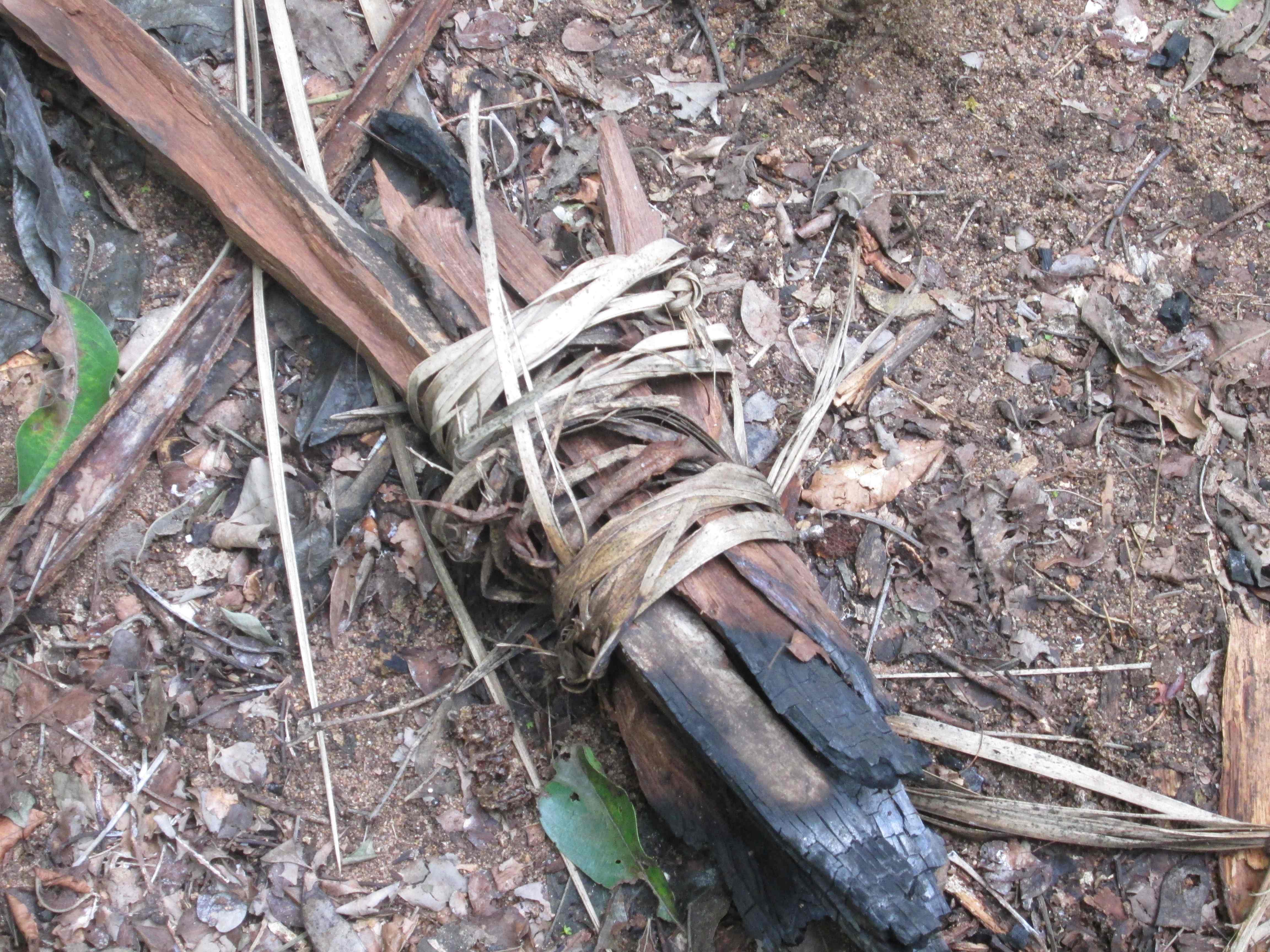
Honey gatherers…intrepid souls who hammer rough pegs into the trunk of mammoth baobabs in the Greater Limpopo Transfrontier Areas around Gonarezhou National Park, and who climb to collect the honey with only a smoking bundle of embers tied by Lala palm fronds, to deter the angry little insects that will defend their combs swollen with honey….

smoking sticks tied by Lala palm fronds

smoking sticks tied by Lala palm fronds

The paraphernalia of honey collecting in the sand forest…

honey collecting tools

honey collecting tools

these people always leave a comb filled with honey for the Honeyguide bird after they have harvested a tree…not to do so would be extremely bad luck…

A piece of honeycomb left for the Honey guide bird...

A piece of honeycomb left for the Honey guide bird…

The night before I get malaria, I am in Harare, Kelli and I share my bed and cuddle, chatting about her forthcoming departure for the Americas and her cruise ship ms Statendam. A bit of a restless night, then I awake in a cold sweat in the early hours of Saturday morning, gripped by a horrific dream – Clive and I are exploring stone steps downwards into a Raidersof the Lost Ark type cave…we realize that something is horribly wrong as I am attacked by milling black bees which swarm over my head and arms as I try to crawl back up the stairs, Clive ahead of me- he turns repeatedly and reaches towards me – his hands coated in bees as he tried to reach down to me ….each time he tries, his hands can not quite reach mine and I have an extreme sense of lethargy and despair, but no pain, as I crawl slower, slower, and eventually come to a halt, covered in bees. It is hopeless and he must go on without me.
After this dream I am feeling weird but get up and so some basic shopping for Kelli’s farewell dinner party that night. She comes home at noon from her face painting job – Hello Kitty is always a favourite request!

hello Kitties!

hello Kitties!


We have an afternoon rest together… Literally as I lie down , I break into alternate bouts of hot and ice cold sweats, a headache hits and I know I have malaria. Take the old Coartem  medication that I carry in my cosmetic bag. No good . That night I lie shaking in bed while the party goes on without me . By morning I am dehydrated. By mid morning I realize that I better change drugs fast- Kelli can find no close by chemist open on a Sunday. She takes one look at me and hails me off to the Borrowdale trauma centre, where they take one look at me and hook me up to a drip. Next three hours are a daze, slowly coming round to lucidity again, getting onto a hectic course of Quinine tablets. Recovery over the next three days is slow but at least I recover……was the bee dream a warning of the malaria bug beginning to rage through my system ? A foretaste of the potentially  deadly force I was about to be engulfed by?!

Posted in african wildlife, birds, community conservation, eco-tourism, food, food culture, gonarezhou national park, great limpopo transfrontier conservation Area, Greater Limpopo Transfrontier Park, Hello Kitty, home grown food, Honey gatherers, Hunter gatherers, hunting, insects, landscape, organic slow food, slow food, taste, Uncategorized, wilderness, zimbabwe, Zimbabwe Parks | Tagged , , , , , , , , , , , , , , , , , , , | Leave a comment

African Wood Owls fascinate; Gecko for supper….


African Wood Owl – Strix woodfordii

As dusk falls, we sit quietly on the breakfast deck at Chilo Gorge…listening to the night sounds, enjoying the cool after a long, hot, rain-threatening day…

A bush baby tiptoes out of the dark, into the circle of light created by the garden lamps, and stares intently for insects before moving on.

All at once the begging sound we have been hearing but not really noticing invades our space as a young Wood owl lands directly  in the brachestygia branches above our heads, calling loudly for food! Just too dark for me to take a photo, but his shape is imprinted on my mind so clearly………here is a gorgeous photograph by  Nick Borrow, of just such a baby Wood Owl…

Baby wood owl - by nick borrow

Baby wood owl – by nick borrow


What a beautiful sight close up, soft round head , huge expressive eyes….and here comes Mum with a gecko, fresh – harvested from the thatch roof of the lodge, which she gives to the excited baby!

He pounds it all over with his beak, crushing it on the branch beneath his claws, then consumes it with great relish. The two adult owls join him, one eating a fluttering moth, mand we are treated to the lovely sound of the adults calling and the baby begging….

The three of them fly down to the seat backs of the poolside loungers, where they perch and watch for insects, him begging all the while….

This is the distribution of the African Wood owl…

African wood owl range

African wood owl range


More information for those who wish….

The African Wood Owl is a medium-sized owl with a rounded head and no ear-tufts.

Description: There is some individual variation in general colouration. The facial disc is pale buffish-brown with darker concentric lines, shading into a dusky ring around the dark brown eyes. The eyelids and edges around the eyes are fleshy pink. The bill and cere are yellowish. The rest of the head and neck are dark brown, spotted white.

The mantle, back and uppertail-coverts are dusky rufous, with individual feathers having narrow white bars near the end, white shaft-steaks and buff vermiculations. Scapulars have white outer webs, forming a white row across the shoulder. The flight and tail feathers are barred light and dark.

The underparts are russet, densely barred whitish and brown.

Tarsi are feathered pale buff with pale brown bars. The toes are bare, and coloured yellow-horn. Claws are greyish-brown.

Size: Length 30-35cm. Wing length 222-273mm. Tail length 123-176mm. Weight 240-350g. Females are larger and heavier than males.

Habits: The African Wood Owl is a strictly nocturnal bird. It roosts during the daytime, singly or in pairs, in dense cover – mostly high in trees. Vocalisations begin at night, often singing from exposed perches such as the top of a tree. Adults have been known to feign injury as a distraction if a nest with young is threatened.

Voice: The song of the male is a loud, rhythmic sequence of clear hoots – “whubu-wububu-wubu”. This phrase is repeated at intervals of several seconds. The female has a similar higher pitched call with the first double not more drawn-out and followed by a slightly longer pause – “whuhooh wububu-wubu”. The female also utters a high “wheeow”, often answered by the male with one or more low hoots.

Hunting & Food: This owl feeds mostly on insects such as grasshoppers, crickets, cicadas, moths, caterpillars, and beetles, but will also take frogs, reptiles, small birds, small rodents and shrews. Most prey is caught from a perch, the owl normally watching its victim intently before swooping down on it. Also hawks flying insects in the air, and snatches small animals from vegetation while in flight.

Breeding: Each pair occupies a territory throughout the year, and is particularly vocal before the start of the breeding season. Normally nests in a natural hole in a tree, often where a large branch has broken off. Occasionally uses a stick nest of a larger bird, or nests on the ground at the base of a trunk or beneath a fallen log. The female lays 1-3 (usually 2) rounded white eggs (about 43 x 37.7mm) at intervals of 2-4 days. She incubates the eggs alone, starting with the first egg, while the male supplies the food. The incubation period is 31 days, and the young hatch at similar intervals to which the eggs were laid. Chicks open their eyes 10 days after hatching. The female broods them until they are about three weeks old, then leaves them unattended at night to help her mate bring food to the nest. At 23-27 days old, the young leave the nest, but are still unable to fly, and remain in cover nearby where they are fed by both parents. By 46 days they fly well, staying with their parents for a further four months before becoming independent.

Habitat: Forest, from the edge of primary forest to dense woodland. Also riverine forest and plantations. Ranges from sea-level up to 3700m elevation.

Posted in Africa, african wildlife, beauty, birding, birds, eco-tourism, gardens, hunting, insects, owls, prey, reptiles, zimbabwe | Tagged , , , , , , , , , , , , , , , , | Leave a comment

Chilo Gorge Safari Lodge; Rain and Rejuvenation, Snails and Wild Flowers…

At the beginning of 2015, I reminisce …..

Clive Stockil, through Tusk Trust, won the Prince William Award  for a Lifetime Achievement in Conservation in 2013…here he is at Chilo Gorge Safari Lodge with staff and the Award itself…..

Clive Stockil and Prince William Award at Chilo Gorge Safari Lodge

Clive Stockil and Prince William Award at Chilo Gorge Safari Lodge

We now congratulate Richard Bonham who has very deservedly won the Prince William Award for 2014.

Richard Bonham and Prince William

Richard Bonham and Prince William

http://www.tuskawards.com/blog/richard-bonham-winner-of-the-prince-william-award-for-conservatio

Communities and Conservation go so strongly hand in hand…

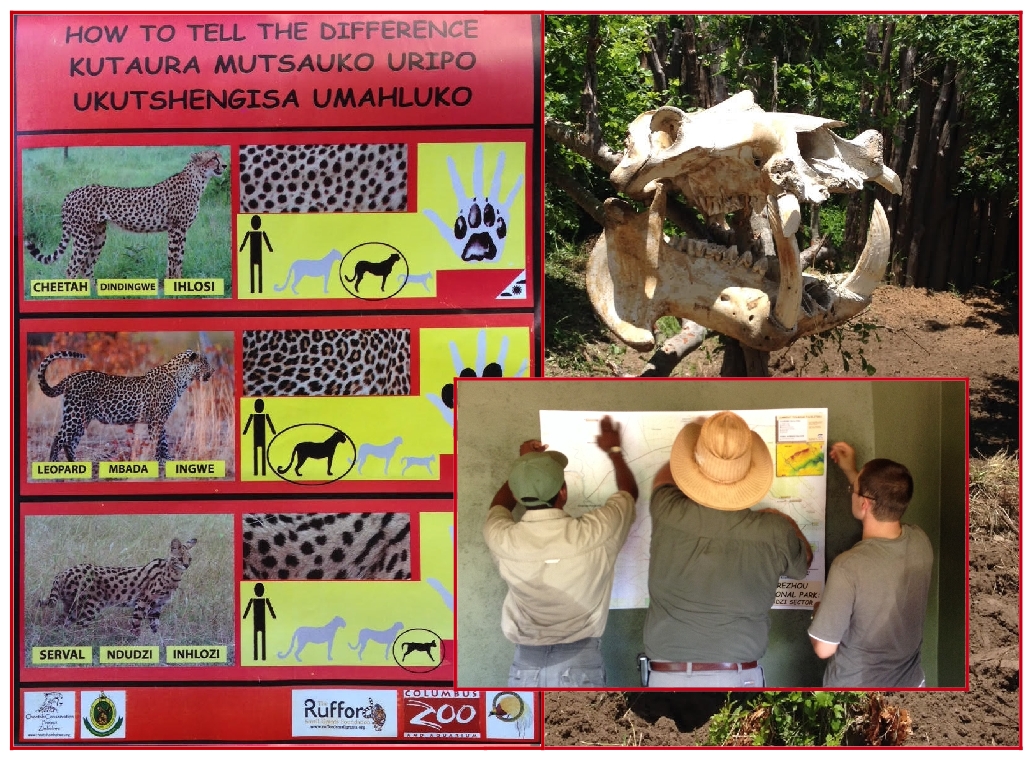
Chilo has helped put up posters regarding wildlife research projects at the National Parks entry into Gonarezhou……

Gonarezhou Parks entrance reception..Clive and the Chilo team..

Gonarezhou Parks entrance reception..Clive and the Chilo team..

including  this Vulture poster by Birdlife Zimbabwe

Vulture Poster by Birdlife Zimbabwe

Vulture Poster by Birdlife Zimbabwe

We see constant interaction between elephants and the Mahenye Villagers, and the National Parks rangers who man the Parks reception at Mahenye live daily with these animals…

Parks staff children and elephants at Tembweharta Pan in Gonarezhou...

Parks staff children and elephants at Tembahata Pan in Gonarezhou…

Elephants are our constant companions on game drives, mostly gentle giants who are a delight to observe in their true wilderness…here is fabulous ivory where it belongs..on live elephants!

elephant!

elephant!

Elephants, elephants…are as much a vital part of this ecosytem as people and rivers are…

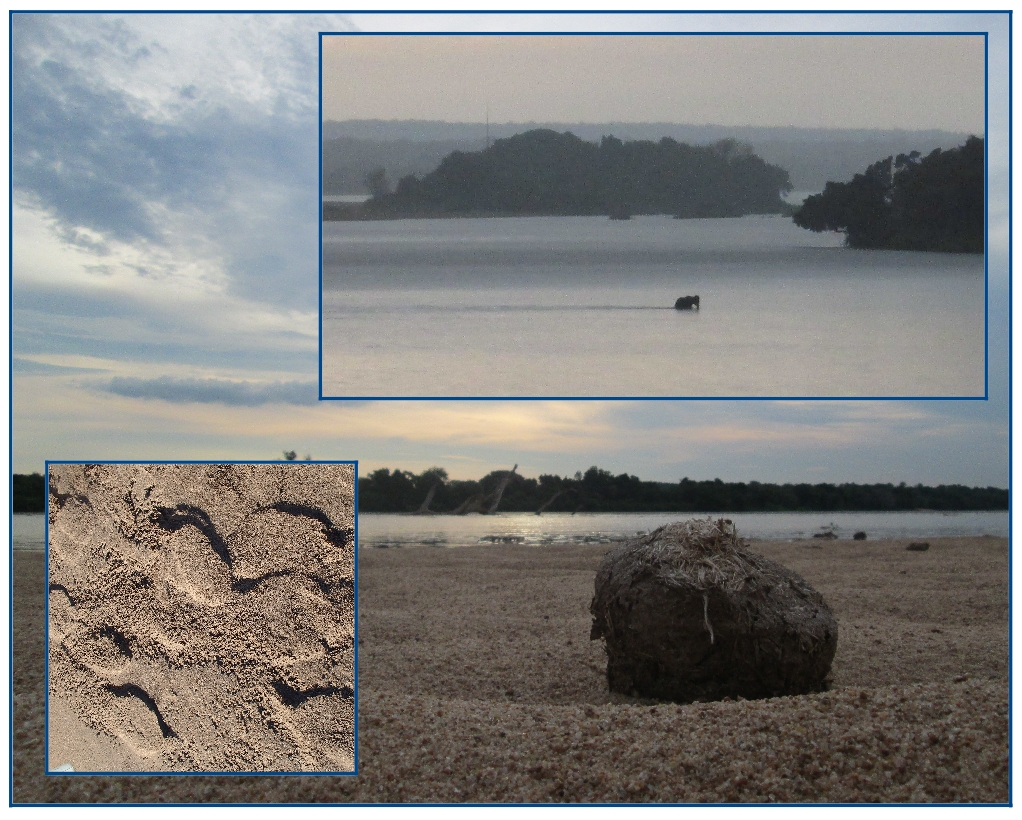
Elephants, and more elephants, in and around the Save River .....

Elephants, and more elephants, in and around the Save River …..

Clive’s visions and hopes for real community conservation initiatives are reflected in this article:

http://www.telegraph.co.uk/travel/activityandadventure/10305355/Tusk-Conservation-Awards-Princely-custodians-of-the-bush.html

Community and conservation meet tourism at Chilo Gorge…a win win for all.

Clive and elephants, sunsets and community...

Clive and elephants, sunsets and community…

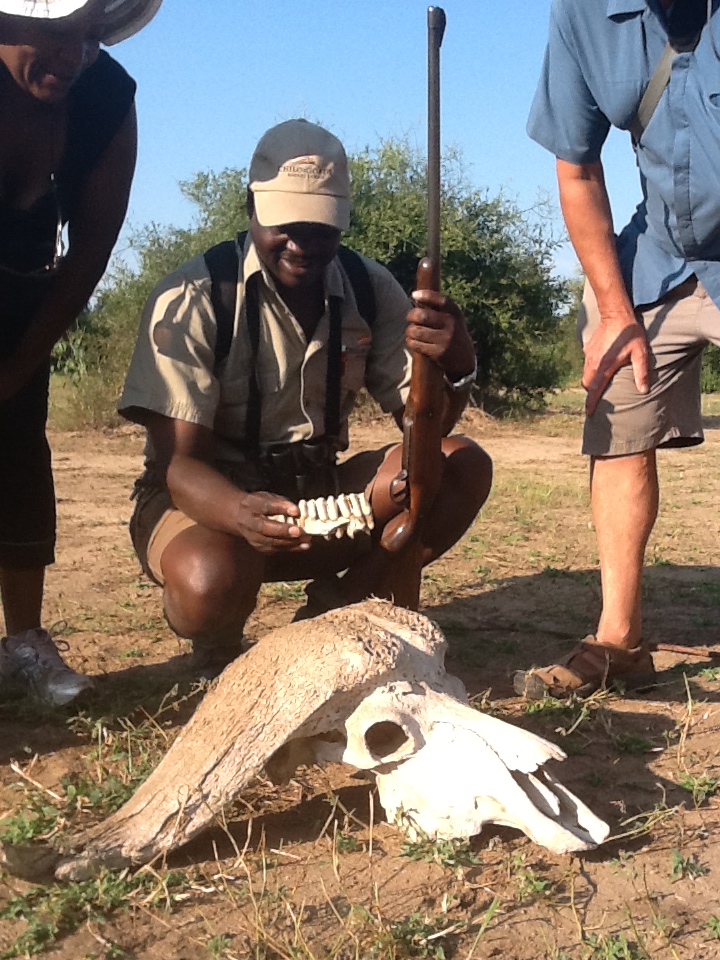
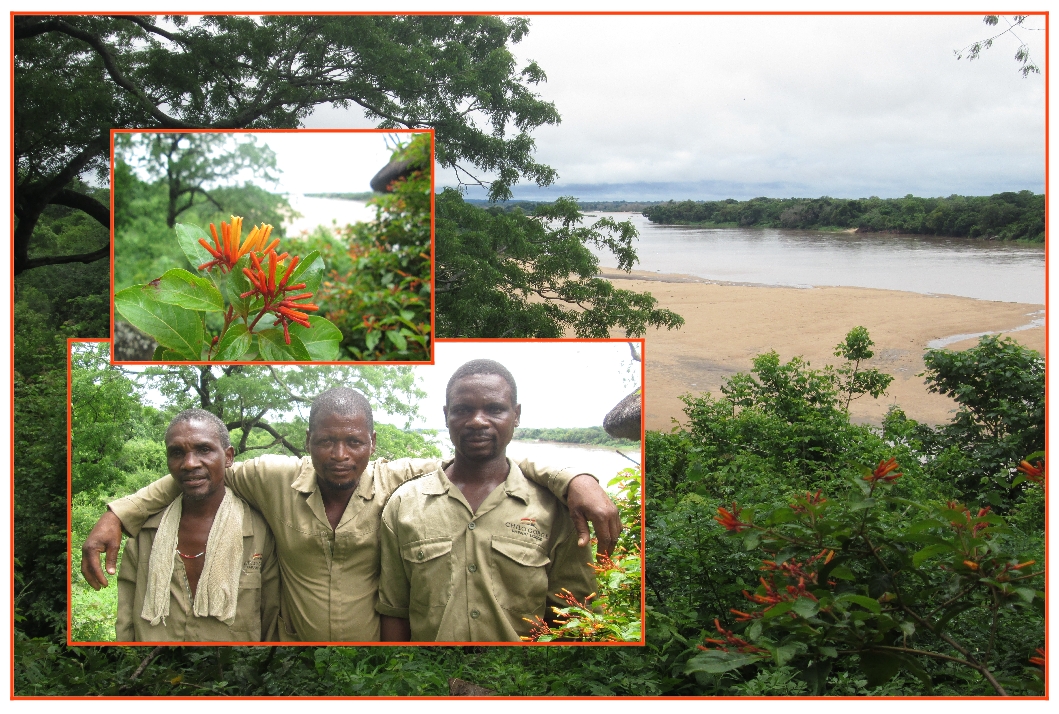
Chilo guides are truly deserving of the praise heaped on them by happy and fascinated guests who enjoy exploring the wilderness under their care….

Thomas Mutombeni, Chief guide at Chilo Gorge safari Lodge

Thomas Mutombeni, Chief guide at Chilo Gorge safari Lodge

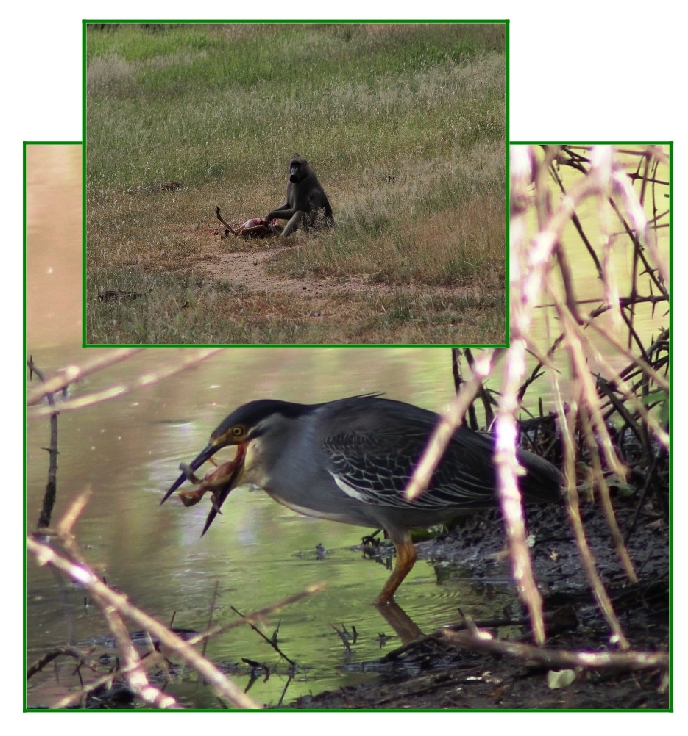
The beginning of this year has seen a successful wetlands bird count at Chilo for Birdlife Zimbabwe, with fascinating sightings by guests and Chilo Guide Lionel Muzengi, of two very interesting predators:

Green backed herons eating Lesser masked weaver chicks, and a baboon eating an impala fawn!

Lionel Muzengi-Guide's report of unusual predators!

Lionel Muzengi-Guide’s report of unusual predators!


Chilo kitchens, bar and waiter staff have produced memorable meals and cocktails, from Christmas mincemeat pies …in the rain….

wet decks and mince pies

wet decks and mince pies

to the fabulous Baked Ham, salads and cold meats Buffett for Christmas and New Years Day, plus Black- Eyed Peas and Atholl Brose to bring the New Year in with good luck!

Continental breakfast on the deck is always a winner….

chilo breakfast on the deck

chilo breakfast on the deck

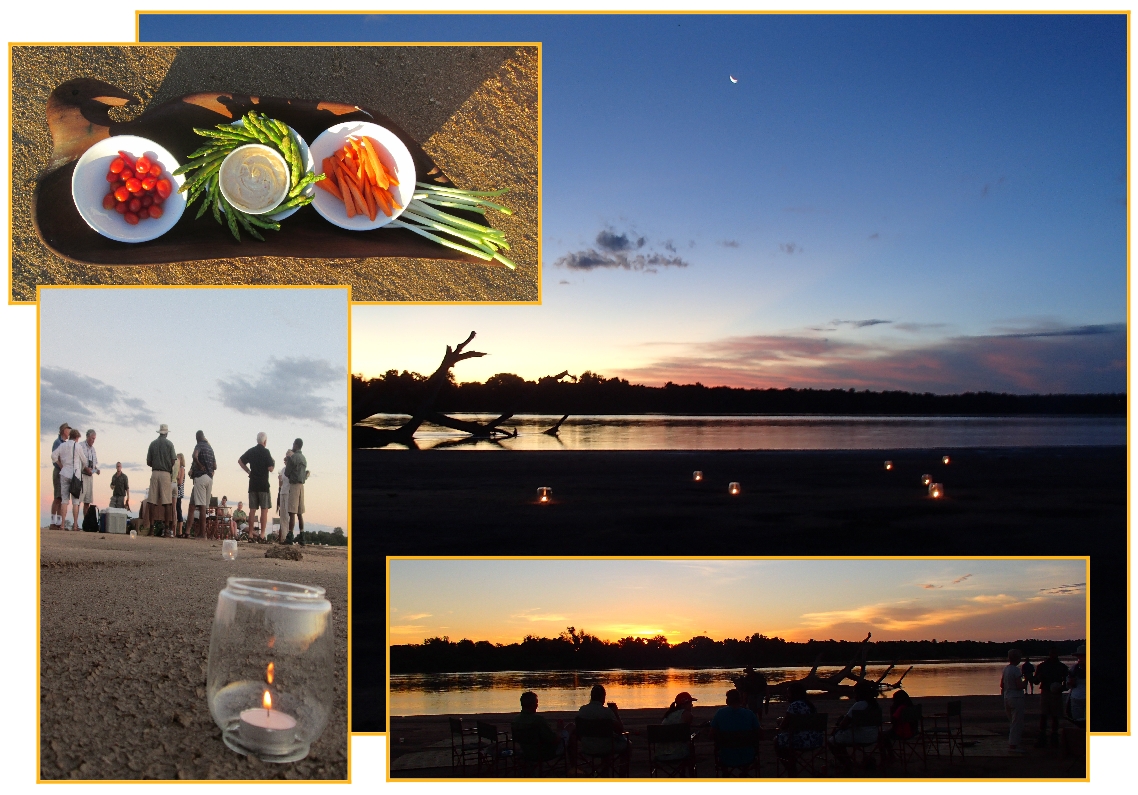
Beach sundowners are wonderfully atmospheric…

Atmosphere, snacks, moon and tealights

Atmosphere, snacks, moon and tealights


Sunsets are always magical, always different…

Datura flower on the beach of the Save River..

Datura flower on the beach of the Save River..


The Chilo gardeners have been hard at work maintaining the structure of the rocks and gardens that Arthur Barrie lovingly placed…the elephants providing a constant challenge! We have learnt which indigenous plants the  naughty elephants relish, and those are not being replanted!

gardeners and cigarette bush

gardeners and cigarette bush

Chilo housekeeping have kept the rooms beautiful, with  scented herbs in the bathrooms and flowers on the bedcover in the honeymoon suite.

honeymoon time at Chilo....

honeymoon time at Chilo….

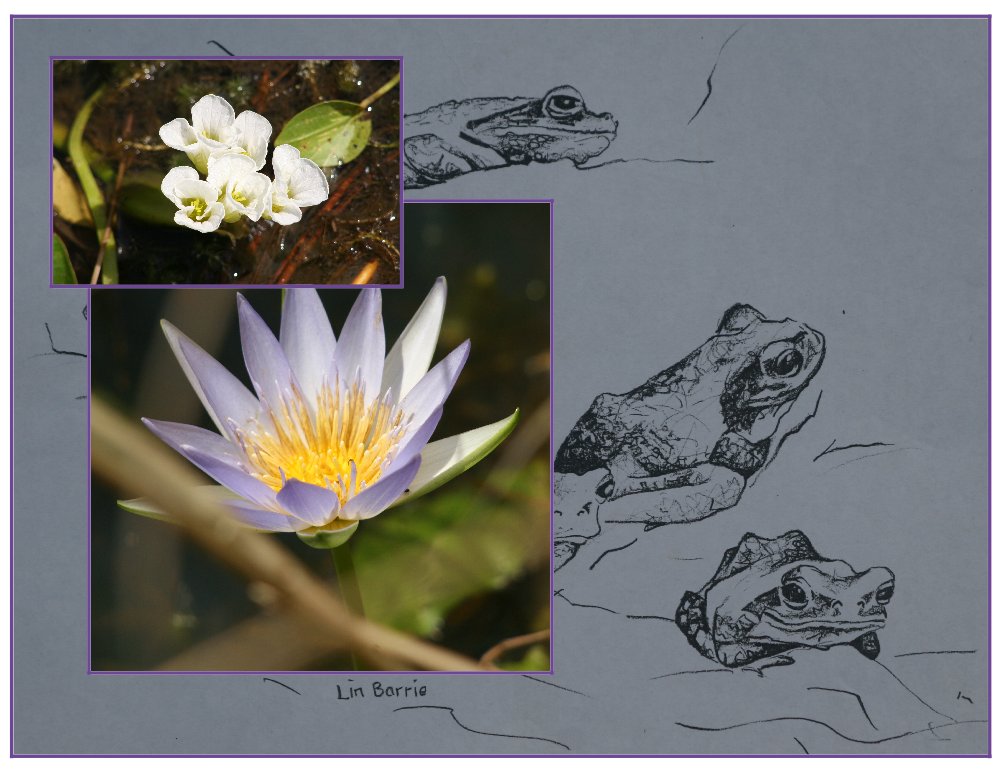
The Save river is a huge snaking waterway, a roiling python curve of water that is bursting its banks, driving even the largest crocodile to climb out and rest on the grassy banks to avoid being swept away! and the pans are inhabited by frogs and various waterlilies…

chiromantis frogs and water lilies

chiromantis frogs and water lilies

The rainy season in the Lowveld has brought a flooded Save River, baby animals galore and abundant flowers, and we have shared valuable time and knowledge with Bart Wursten and Petra Ballings in the field….Chilo Gorge and surrounds will have a botany page in their excellent website, Flora of Zimbabwe

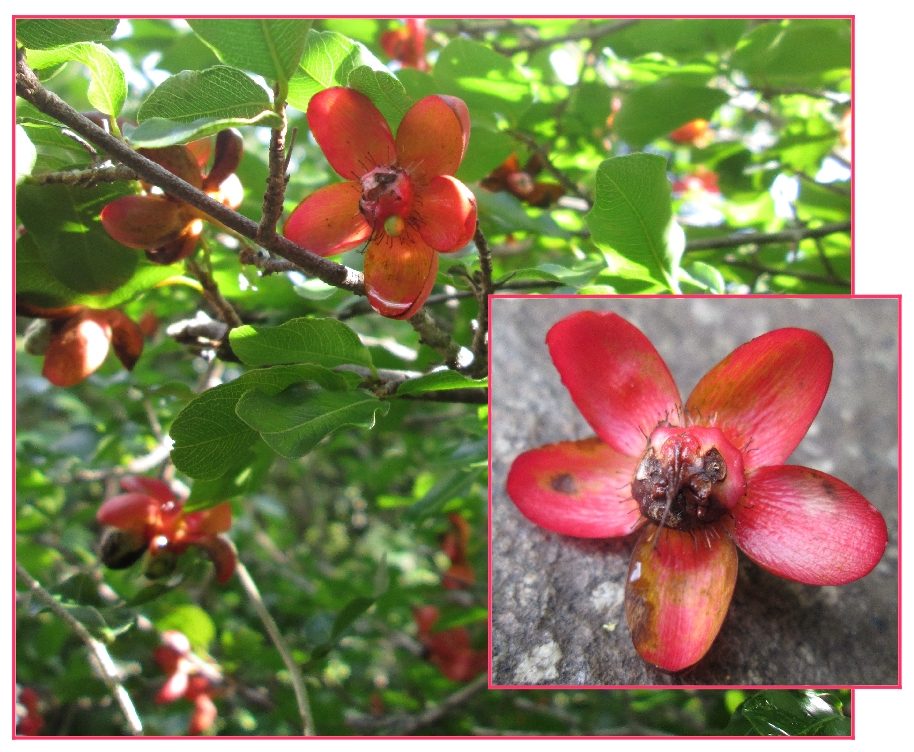
Ochna inermis grows outside room 5….

Ochna inermis-red summer beauty

Ochna inermis-red summer beauty

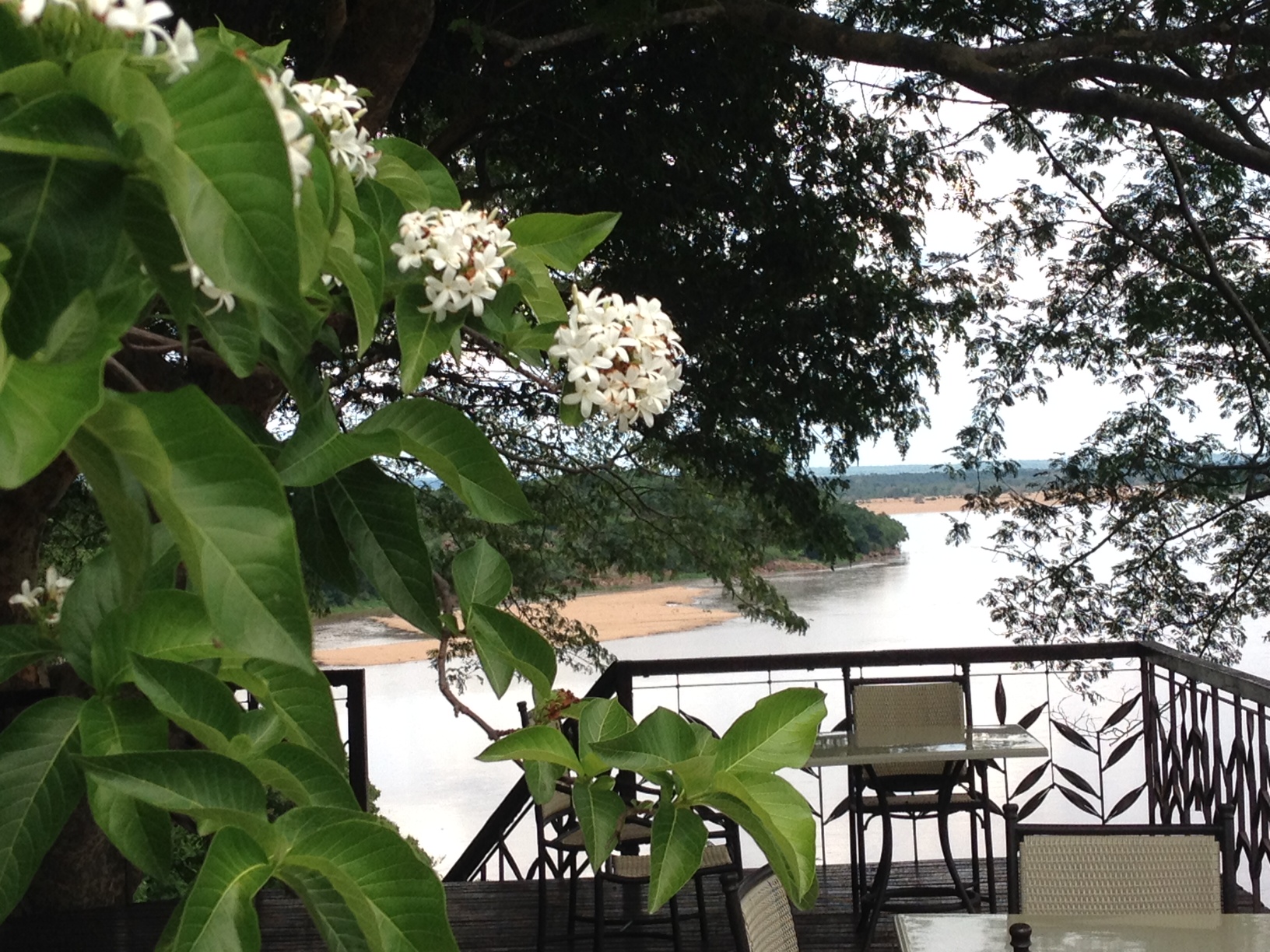
Hollerina pubescens graces the breakfast deck…

Holleria pubescens

Hollerina pubescens

Crossandra, one of my annual favourites…

chilo in the wet season-Crossandra and a funky cicada...

chilo in the wet season-Crossandra and a funky cicada…


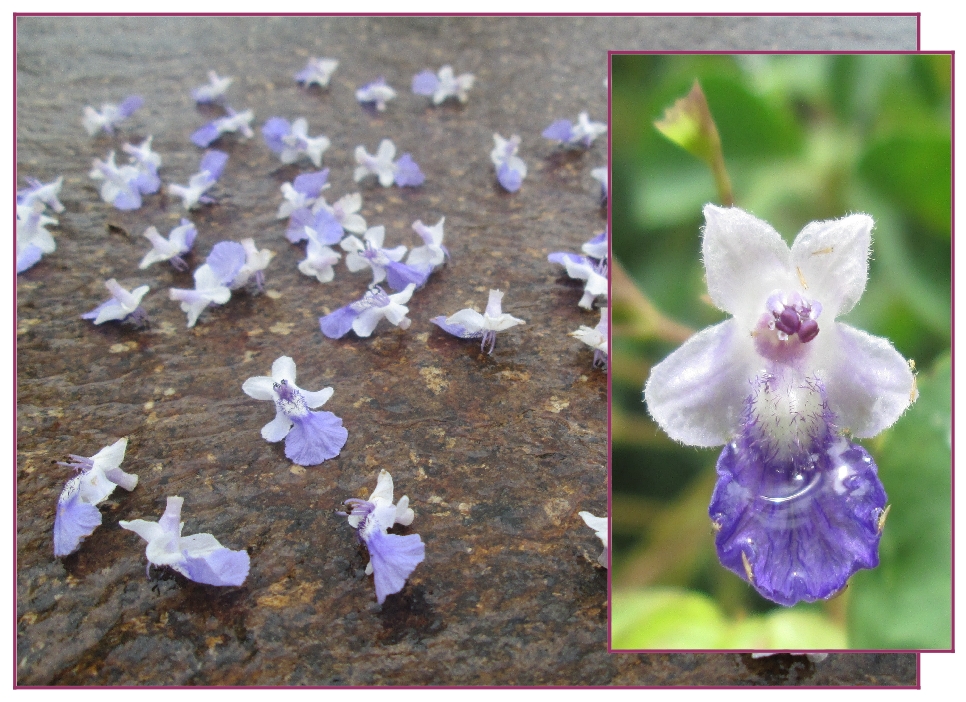
Purple Vitex flowers carpet the pathways, and teeny tiny  flies that sit on them, looking  like shrimps, are a miniature joy……

vitex and shrimps!

vitex and shrimps!

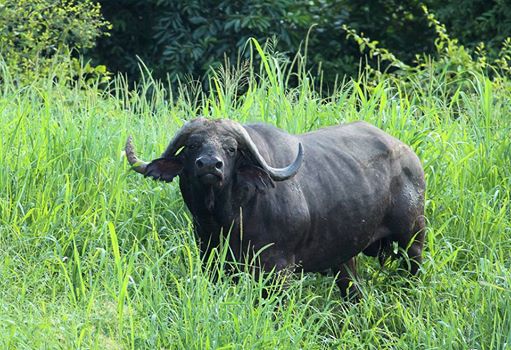
Bart’s photograph of a fierce buffalo bull in the long grass shows the caution with which one has to approach situations when distracted by botanising………

Bart's Bull

Bart’s Bull


Watch this space for my artistic interpretation of the buffalo bull- my memories of facing him in the field are powerful….!

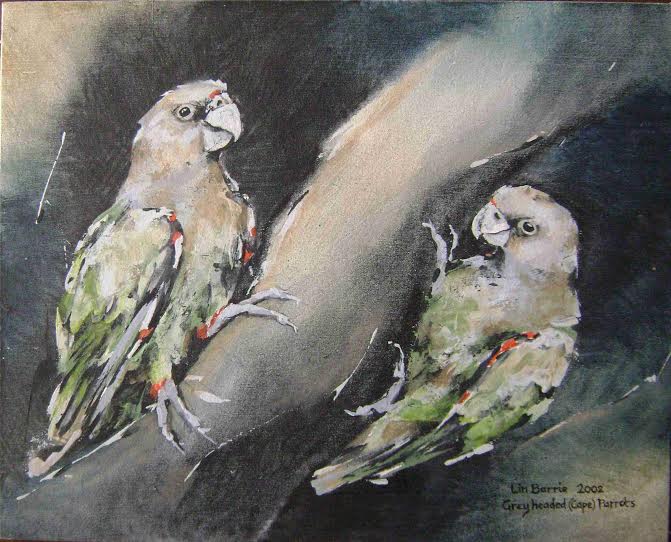
Birds abound and we get regular flyovers of those special little birds, Brown headed parrots, and the larger endangered Grey headed parrots…

grey headed parrots

grey headed parrots


Gorgeous great African land snails leave evidence of their presence with beautiful deserted shells….

giant land snail

giant land snail


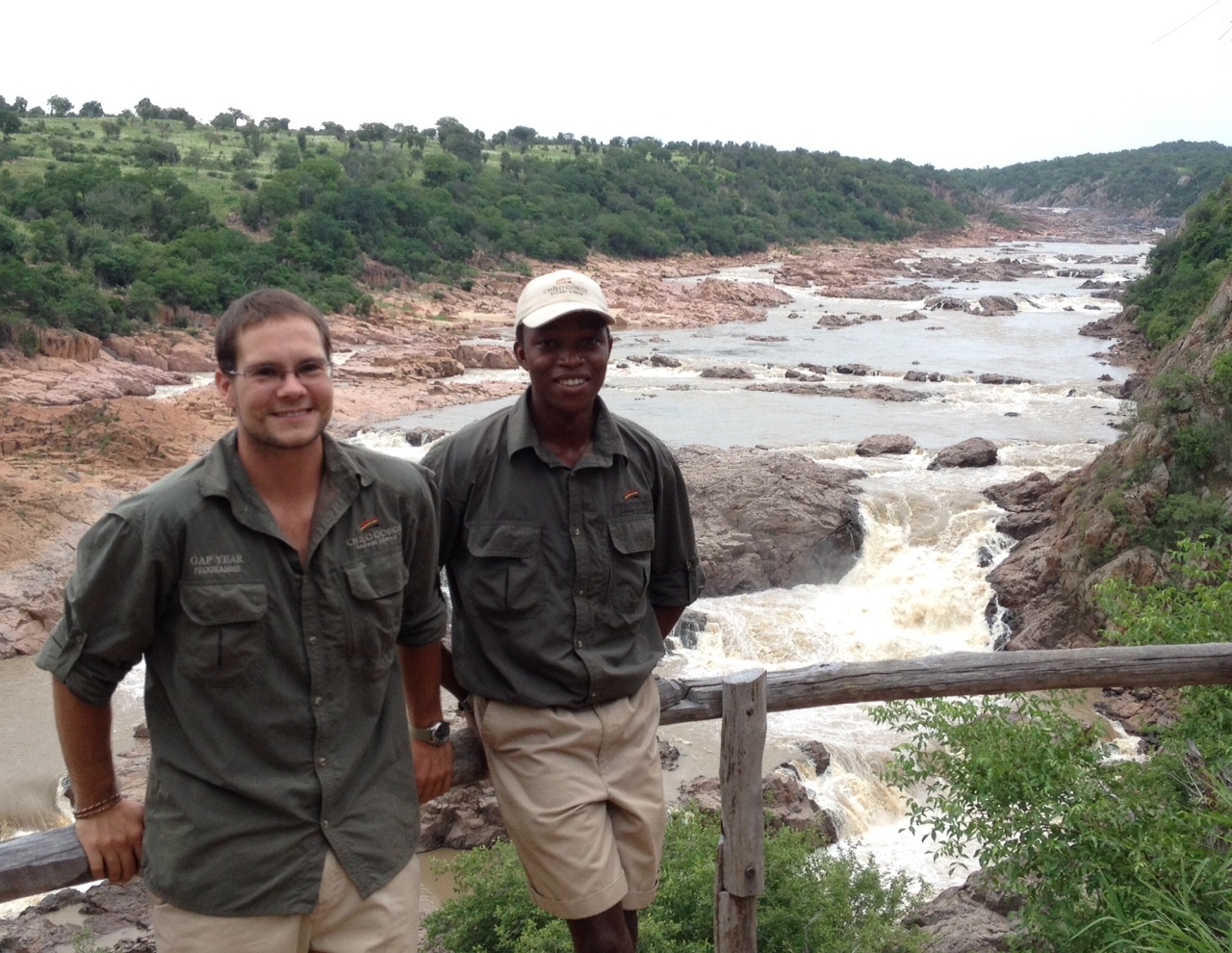
Now as the rains seem to be tailing off, the Save river subsides and the Chivarira Falls subdues its constant roar of muddy water….


Lionel Muzengi and Ben Madden at Chivarira Falls

Lionel Muzengi and Ben Madden at Chivarira Falls

Cheers to the rest of 2015, from the awesome Save River……

drinks at sunset

drinks at sunset

Posted in Africa, African flora, African Safari, african wildlife, anti poaching, art, beauty, birding, birds, Chilo Gorge, christmas, community conservation, conservation, conservation news, cooking, culture, Duke of Cambridge, eco-tourism, education, elephants, family, flowers, food, food culture, gardens, gardens and flowers, gonarezhou national park, great limpopo transfrontier conservation Area, Hogmanay, home grown food, homegrown, honeymoon getaways, insects, interior decor, landscape, Lin Barrie Art, London, Nguni cattle, photography, Prince William, Prince William Award For Conservation, reptiles, Rivers, safari, slow food, Tusk Trust, tusk trust conservation awards, zimbabwe, Zimbabwe Parks | Tagged , , , , , , , , , , , , , , , , , , , , , , , , , , , , , , , , , , , , , , , , , , , , , , , , , , | 2 Comments