Mahenye Sand Forest; Secret Paths and Millipedes; Special Birds and Botany

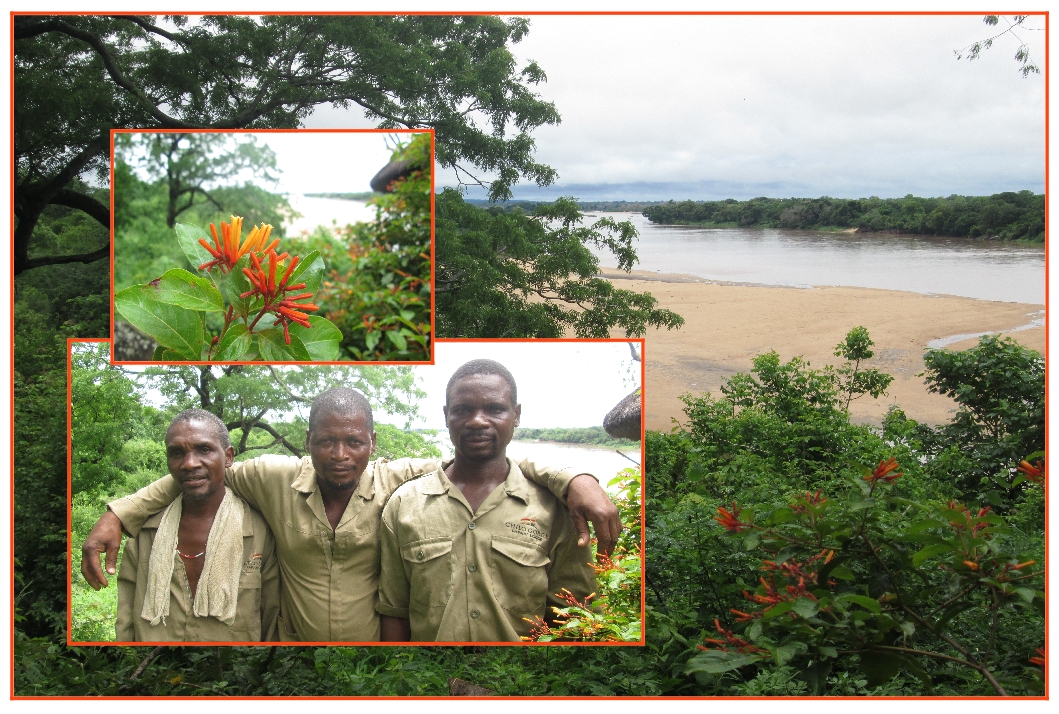
A trip to the Mahenye Sand Forest from Chilo Gorge Safari Lodge in the rainy season is a voyage of discovery….

First comes the ride through the Mahenye Village, a haven of big trees, hand painted huts and friendly faces…
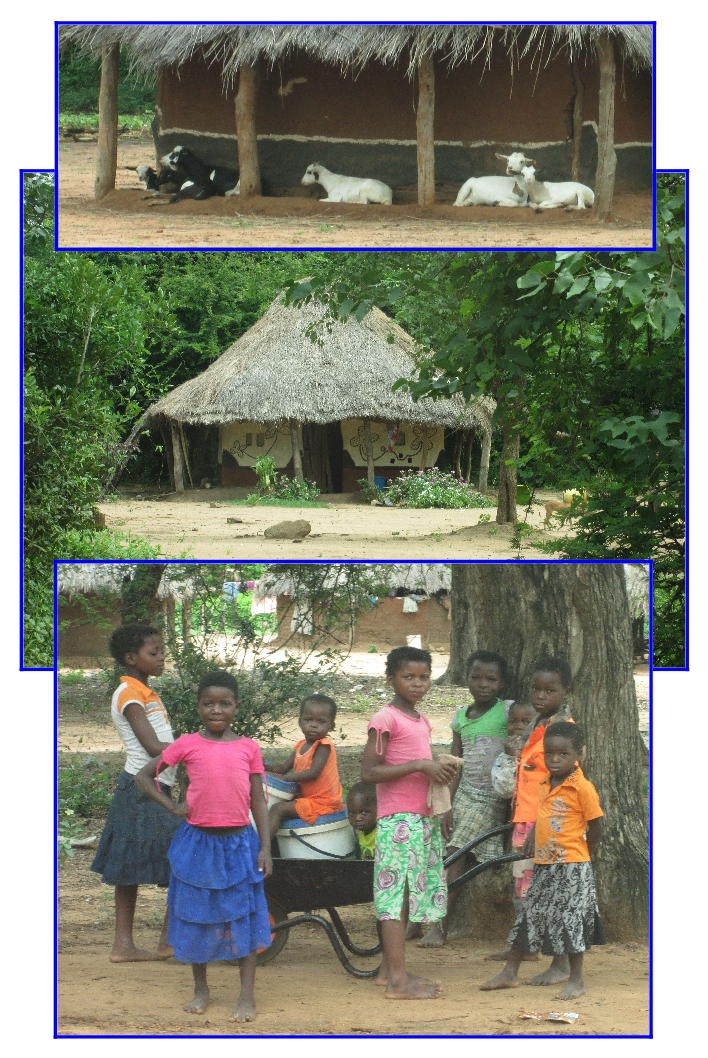
Mahenye village children...

Mahenye village children… collecting water


This Mohawk-adorned cattle herder has great charisma…as do his gorgeous spotted beasts!
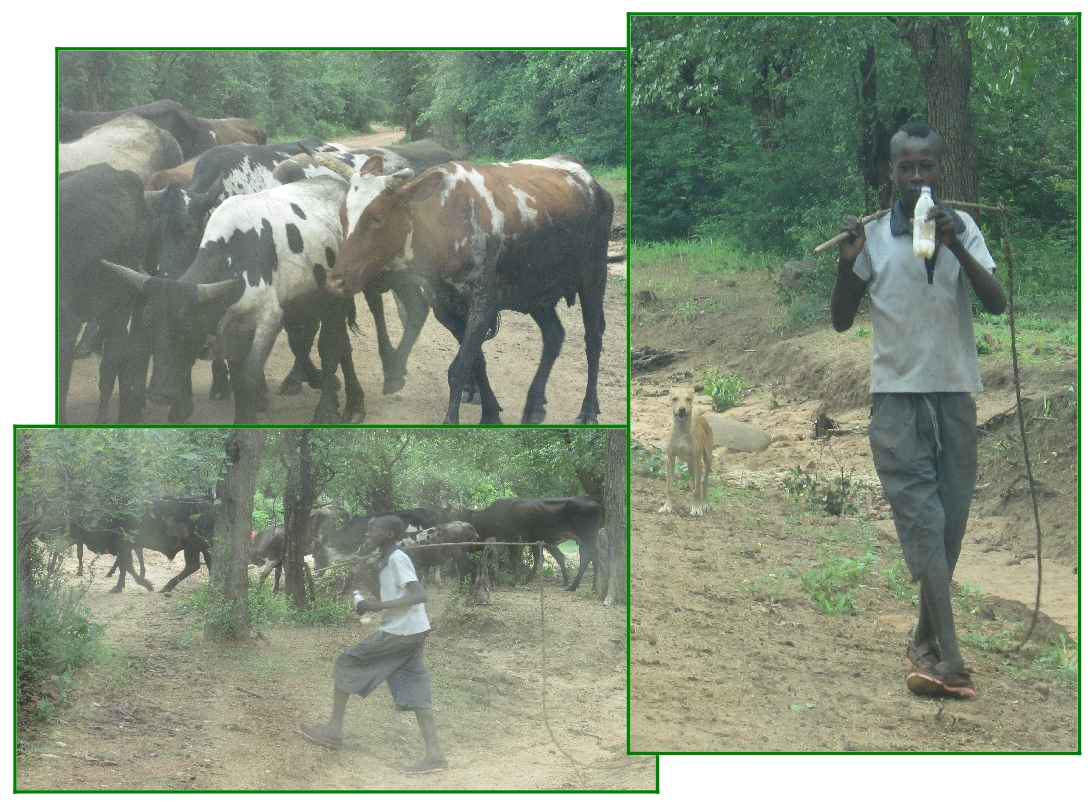
cattle herder and his Nguni cattle...

cattle herder and his Nguni cattle…


Stopping frequently, VERY frequently…along the way, as is the habit of master botanists Bart Wurstens and Petra Ballings,  we learn about  stunning scarlet  longipedunculta flowers…
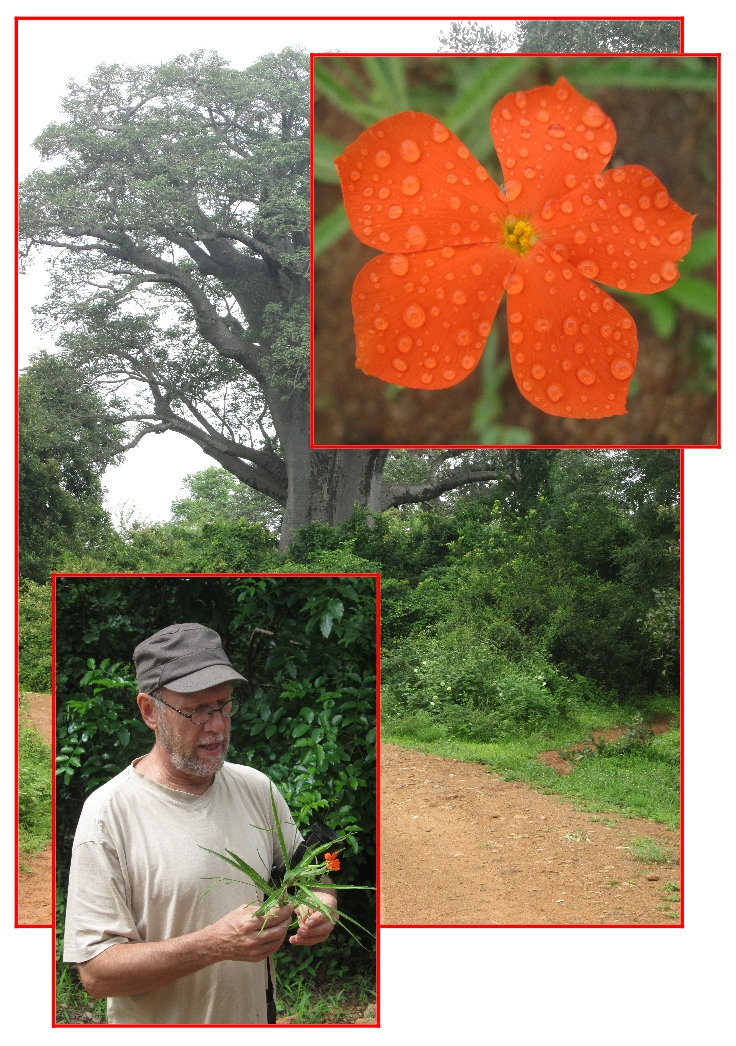
Bart and longipedunculata

Bart and longipedunculata


Thomas Mutombeni and Bart discuss the Cleome genus, while a tiny chameleon becomes the  shy centre of paparrazzi attention…
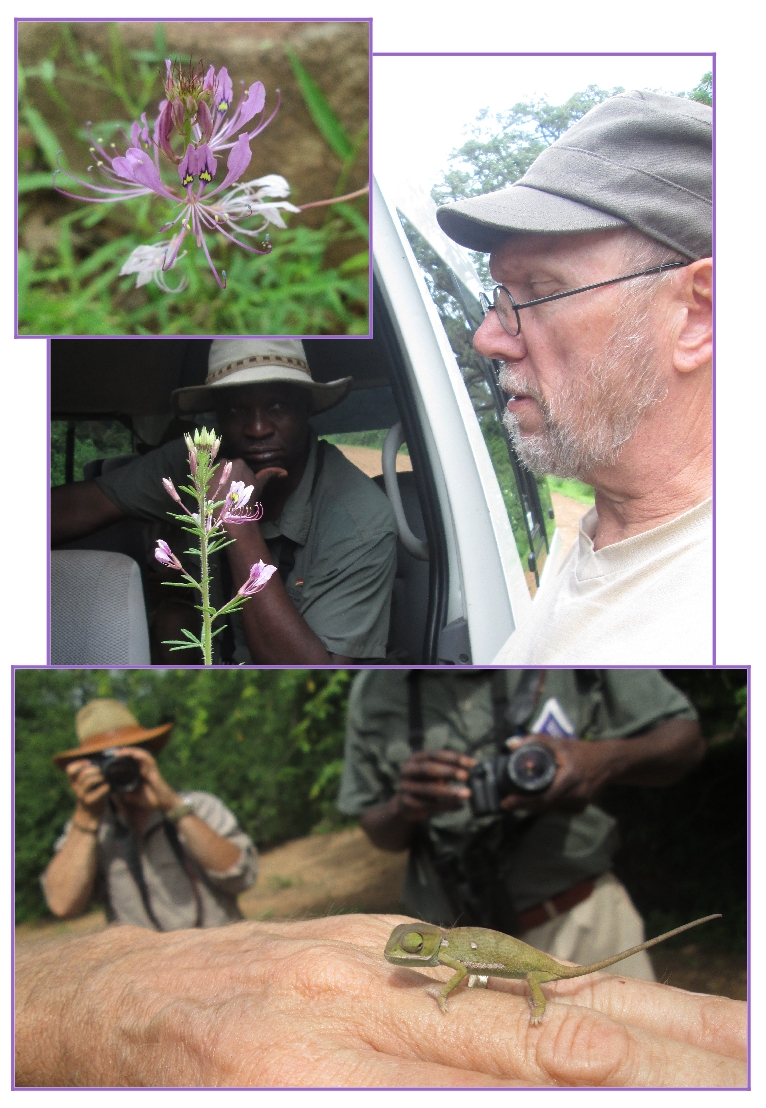
cleome, chameleon, Thomas and Bart...

cleome, chameleon, Thomas and Bart…


Clive gets a lesson in Hibiscuses…..

Clive gets a lesson in hibiscuses from Bart....

Clive gets a lesson in hibiscuses from Bart….


Entering the Sand Forest, emerald-shrouded pathways lead ever deeper into the enticing scenery and I feel like I am walking through a fairy tale of the best kind, bright butterfly wings, beetles and millipedes decorating the way, birdsong and shafts of sunlight filtering through the impossibly green leaves…

the secret path in the sand forest

the secret path in the sand forest

and all enhanced by the possibility of sighting or at least hearing  a long-tailed forest bird which is one of southern Africa’s most spectacular species, a  Narina trogon, with bright green body and crimson breast….
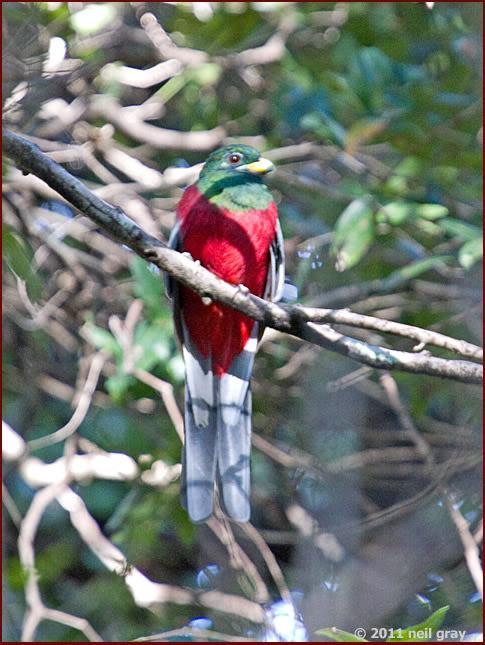
Narina trogon -photograph by Neil Gray

Narina trogon -photograph by Neil Gray


Millipedes of every variety….

gorgeous green millipede

gorgeous green millipede


and here is a very fat, rolled millipede, who, if you look closely, has his own set of tiny hitch-hiker lice ……!

fat millipede and hitchhikers...

fat millipede and hitchhikers…


Passing a tree trunk, I am distracted by a tiny mollusc….

interesting little snail in the sand forest

interesting little snail in the sand forest


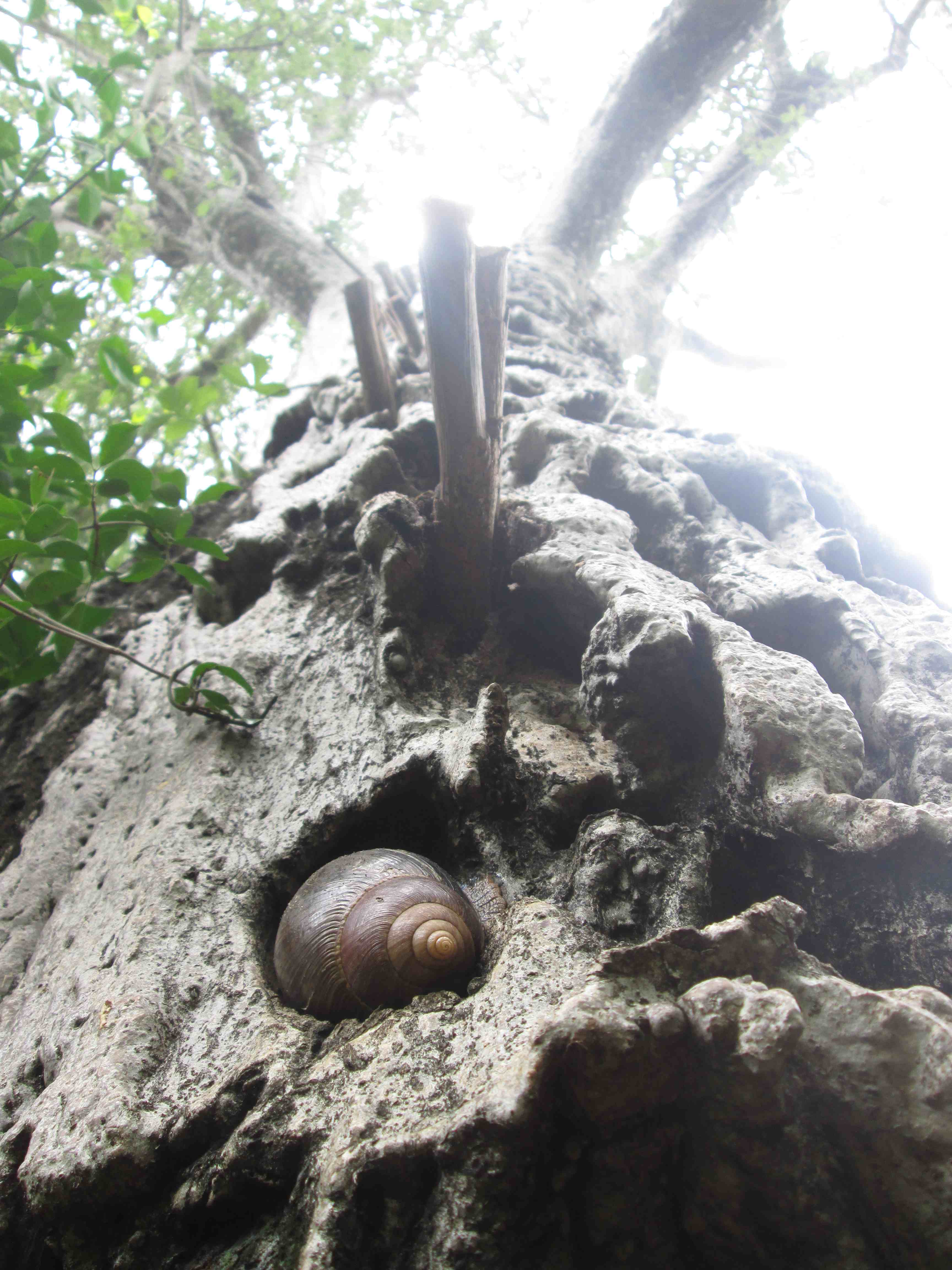
which, in turn, leads me down a side path to an ancient baobab, where are the recent pegs and ancient peg marks of  honey-gatherers adorning the pitted grey trunk of the tree. What stories this tree could tell of the last few hundred years and more….a treasure trove of fables, moral tales and fairy stories!
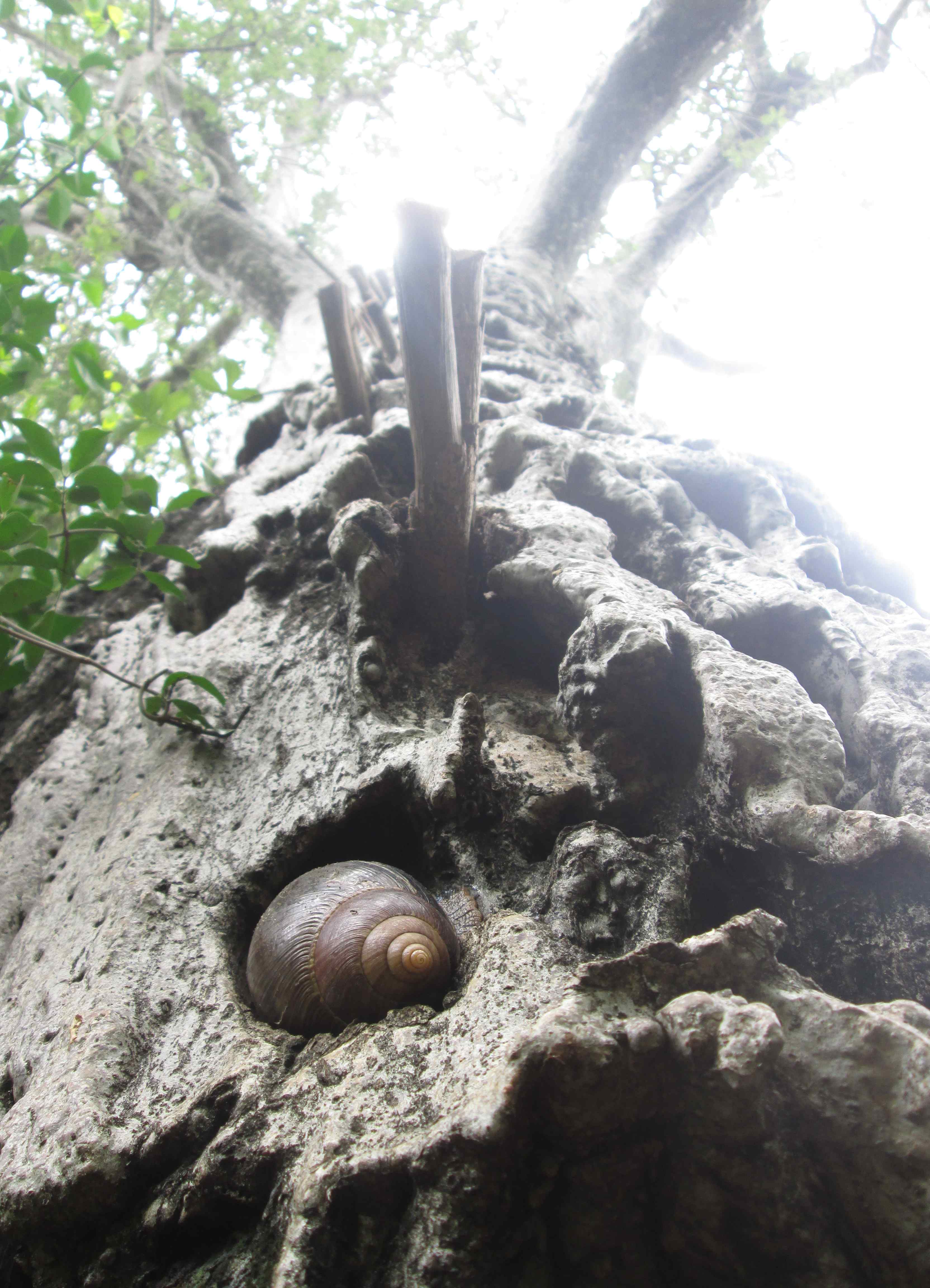
Pegs and giant land snail

Pegs and giant land snail

Maybe this Giant land snail, sheltering in a peg hole, is plugged into some of those stories that are whispered in those peg holes….
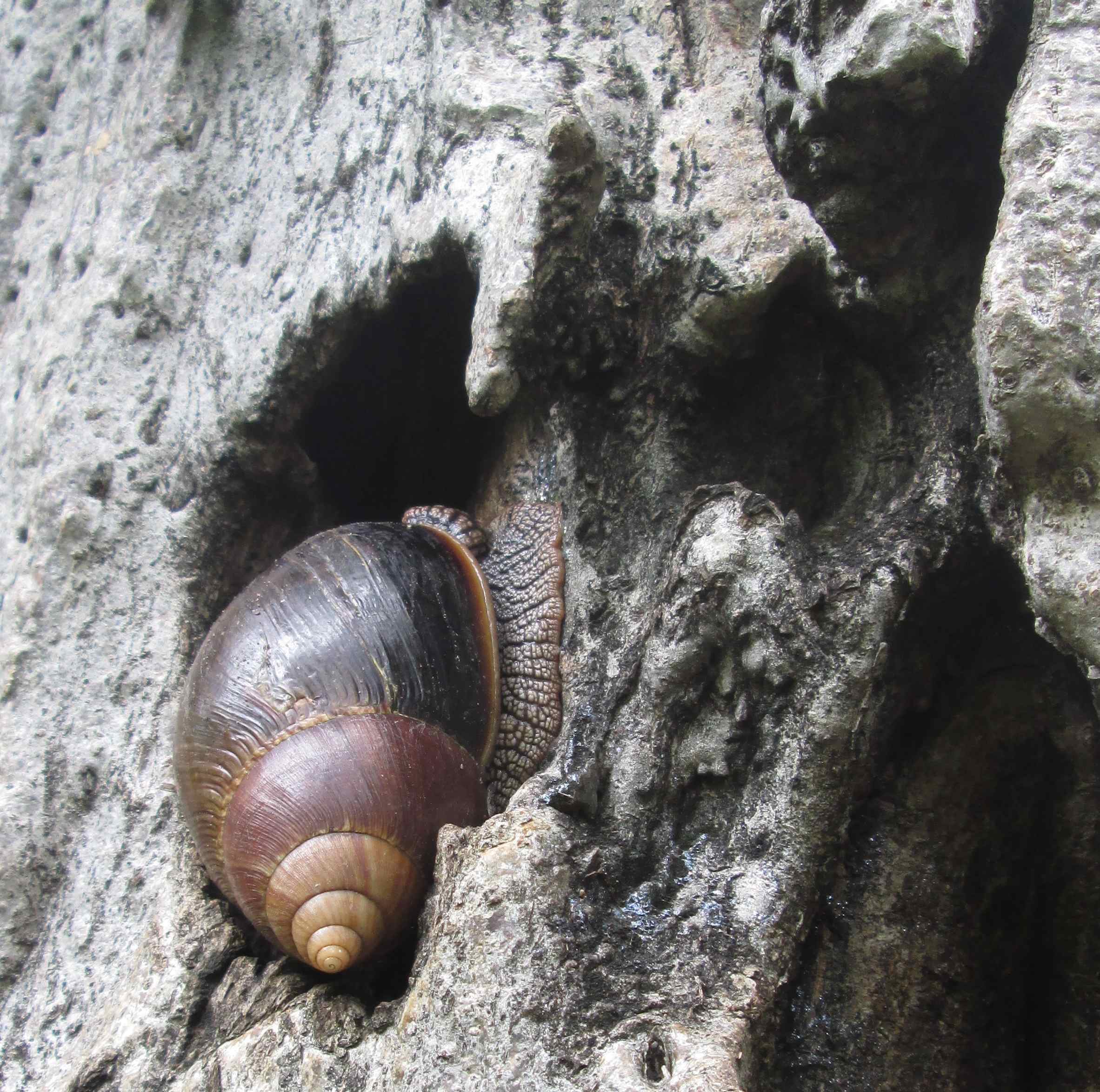
Giant land snail in peg hole on baobab trunk...

Giant land snail in peg hole on baobab trunk…


Our fascinated way leads us past many funky fungi………

funky fungi

funky fungi

and down enchanting pathways, onto the GREAT tree…a Xanthocercis zambesiaca, common name Nyala Berry, which dwarves Bart and Petra…

Xanthocercis zambesiaca, with Bart and Petra

Xanthocercis zambesiaca, with  beetle, Bart and Petra…


so many special birds abound here, often shy, heard but not seen, but no less the fascinating for happy birders….jungle dwellers such as Green Coucal, Narina trogon, Gorgeous bush shrike, Red throated Twinspot, Scaly throated honey guide, Chestnut fronted helmut shrike, Southern banded snake eagle, African broadbill….the list goes on!

Petra Ballings has created a stunning collection of images of Chilo Gorge Safari Lodge…

(https://flic.kr/s/aHsk8tguv4)…….

Petra and chameleon

Petra and chameleon


Posted in Africa, African flora, African Safari, african wildlife, beauty, birding, birds, Chilo Gorge, community conservation, conservation, culture, eco-tourism, education, flowers, great limpopo transfrontier conservation Area, Honey gatherers, Hunter gatherers, insects, landscape, molluscs, Nguni cattle, photography, reptiles, safari, sharing, slow food, Uncategorized, wilderness, zimbabwe | Tagged , , , , , , , , , , , , , , , , , , , , , , , , , , , , , , , , , , , , , , , , , , , , | Leave a comment

Bees and malaria; Honey gatherers and baobabs….

Honey Gatherers and bees have been much on my mind…

when we walk through the sand forest near to Mahenye village I photograph the pegs and ancient pegs marks on a baobab trunk…

Pegs in the pitted trunk

Pegs in the pitted trunk

and the giant land snail who has found refuge in a peg mark from ancient history…

Pegs and giant land snail

Pegs and giant land snail

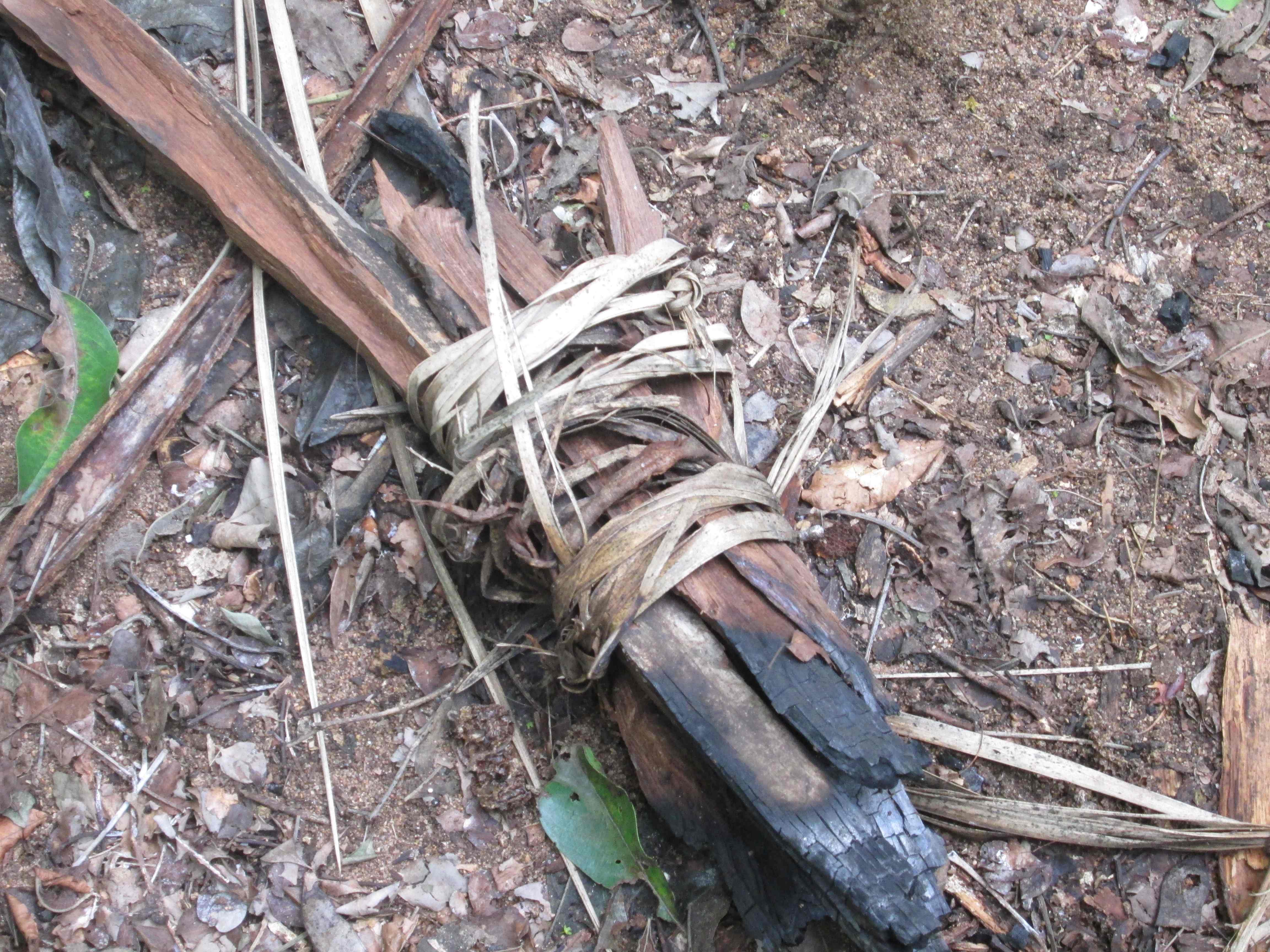
Honey gatherers…intrepid souls who hammer rough pegs into the trunk of mammoth baobabs in the Greater Limpopo Transfrontier Areas around Gonarezhou National Park, and who climb to collect the honey with only a smoking bundle of embers tied by Lala palm fronds, to deter the angry little insects that will defend their combs swollen with honey….

smoking sticks tied by Lala palm fronds

smoking sticks tied by Lala palm fronds

The paraphernalia of honey collecting in the sand forest…

honey collecting tools

honey collecting tools

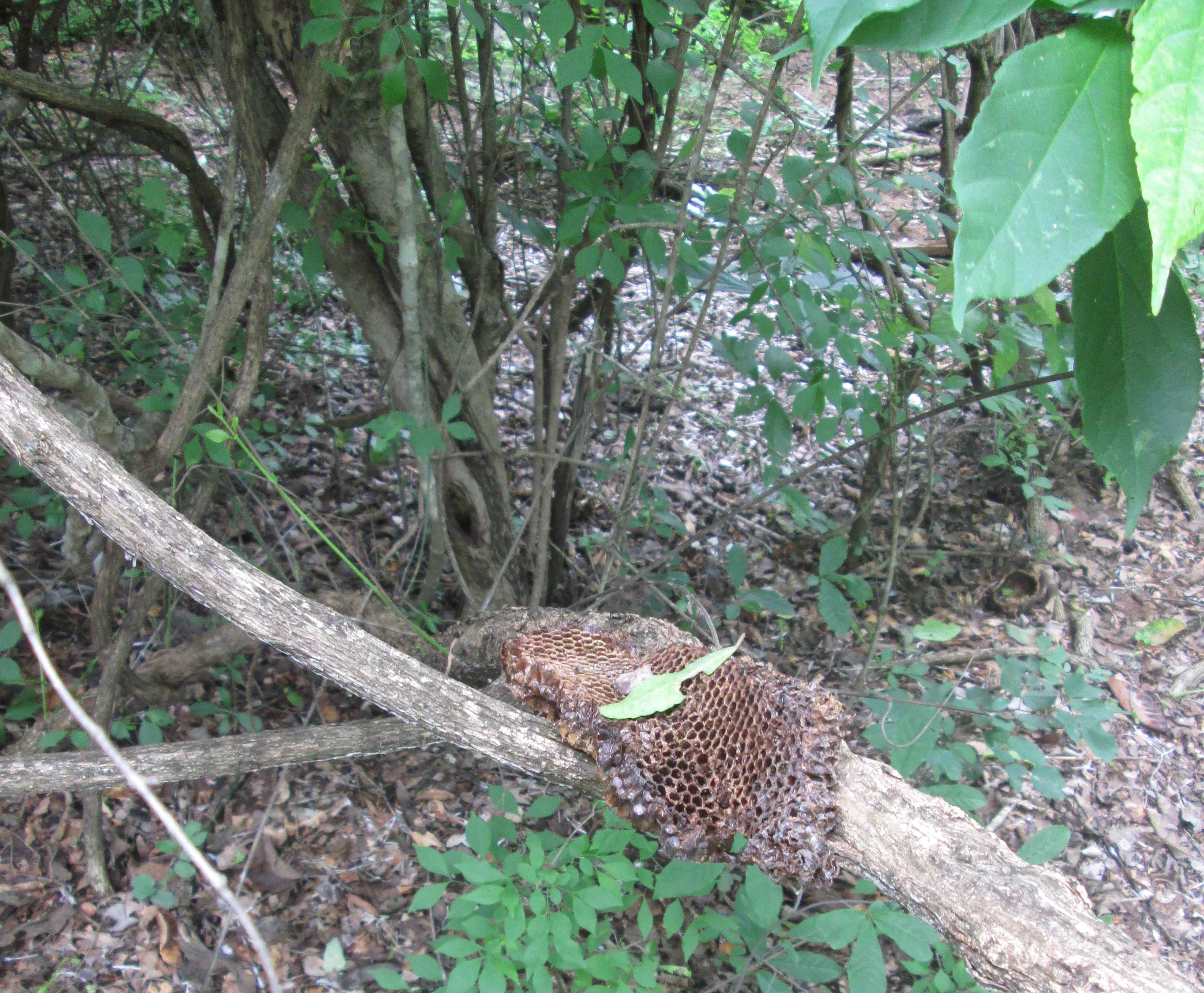
these people always leave a comb filled with honey for the Honeyguide bird after they have harvested a tree…not to do so would be extremely bad luck…

A piece of honeycomb left for the Honey guide bird...

A piece of honeycomb left for the Honey guide bird…

The night before I get malaria, I am in Harare, Kelli and I share my bed and cuddle, chatting about her forthcoming departure for the Americas and her cruise ship ms Statendam. A bit of a restless night, then I awake in a cold sweat in the early hours of Saturday morning, gripped by a horrific dream – Clive and I are exploring stone steps downwards into a Raidersof the Lost Ark type cave…we realize that something is horribly wrong as I am attacked by milling black bees which swarm over my head and arms as I try to crawl back up the stairs, Clive ahead of me- he turns repeatedly and reaches towards me – his hands coated in bees as he tried to reach down to me ….each time he tries, his hands can not quite reach mine and I have an extreme sense of lethargy and despair, but no pain, as I crawl slower, slower, and eventually come to a halt, covered in bees. It is hopeless and he must go on without me.

After this dream I am feeling weird but get up and so some basic shopping for Kelli’s farewell dinner party that night. She comes home at noon from her face painting job – Hello Kitty is always a favourite request!

hello Kitties!

hello Kitties!


We have an afternoon rest together… Literally as I lie down , I break into alternate bouts of hot and ice cold sweats, a headache hits and I know I have malaria. Take the old Coartem  medication that I carry in my cosmetic bag. No good . That night I lie shaking in bed while the party goes on without me . By morning I am dehydrated. By mid morning I realize that I better change drugs fast- Kelli can find no close by chemist open on a Sunday. She takes one look at me and hails me off to the Borrowdale trauma centre, where they take one look at me and hook me up to a drip. Next three hours are a daze, slowly coming round to lucidity again, getting onto a hectic course of Quinine tablets. Recovery over the next three days is slow but at least I recover……was the bee dream a warning of the malaria bug beginning to rage through my system ? A foretaste of the potentially  deadly force I was about to be engulfed by?!

Posted in african wildlife, birds, community conservation, eco-tourism, food, food culture, gonarezhou national park, great limpopo transfrontier conservation Area, Greater Limpopo Transfrontier Park, Hello Kitty, home grown food, Honey gatherers, Hunter gatherers, hunting, insects, landscape, organic slow food, slow food, taste, Uncategorized, wilderness, zimbabwe, Zimbabwe Parks | Tagged , , , , , , , , , , , , , , , , , , , | Leave a comment

African Wood Owls fascinate; Gecko for supper….


African Wood Owl – Strix woodfordii

As dusk falls, we sit quietly on the breakfast deck at Chilo Gorge…listening to the night sounds, enjoying the cool after a long, hot, rain-threatening day…

A bush baby tiptoes out of the dark, into the circle of light created by the garden lamps, and stares intently for insects before moving on.

All at once the begging sound we have been hearing but not really noticing invades our space as a young Wood owl lands directly  in the brachestygia branches above our heads, calling loudly for food! Just too dark for me to take a photo, but his shape is imprinted on my mind so clearly………here is a gorgeous photograph by  Nick Borrow, of just such a baby Wood Owl…

Baby wood owl - by nick borrow

Baby wood owl – by nick borrow


What a beautiful sight close up, soft round head , huge expressive eyes….and here comes Mum with a gecko, fresh – harvested from the thatch roof of the lodge, which she gives to the excited baby!

He pounds it all over with his beak, crushing it on the branch beneath his claws, then consumes it with great relish. The two adult owls join him, one eating a fluttering moth, mand we are treated to the lovely sound of the adults calling and the baby begging….

The three of them fly down to the seat backs of the poolside loungers, where they perch and watch for insects, him begging all the while….

This is the distribution of the African Wood owl…

African wood owl range

African wood owl range


More information for those who wish….

The African Wood Owl is a medium-sized owl with a rounded head and no ear-tufts.

Description: There is some individual variation in general colouration. The facial disc is pale buffish-brown with darker concentric lines, shading into a dusky ring around the dark brown eyes. The eyelids and edges around the eyes are fleshy pink. The bill and cere are yellowish. The rest of the head and neck are dark brown, spotted white.

The mantle, back and uppertail-coverts are dusky rufous, with individual feathers having narrow white bars near the end, white shaft-steaks and buff vermiculations. Scapulars have white outer webs, forming a white row across the shoulder. The flight and tail feathers are barred light and dark.

The underparts are russet, densely barred whitish and brown.

Tarsi are feathered pale buff with pale brown bars. The toes are bare, and coloured yellow-horn. Claws are greyish-brown.

Size: Length 30-35cm. Wing length 222-273mm. Tail length 123-176mm. Weight 240-350g. Females are larger and heavier than males.

Habits: The African Wood Owl is a strictly nocturnal bird. It roosts during the daytime, singly or in pairs, in dense cover – mostly high in trees. Vocalisations begin at night, often singing from exposed perches such as the top of a tree. Adults have been known to feign injury as a distraction if a nest with young is threatened.

Voice: The song of the male is a loud, rhythmic sequence of clear hoots – “whubu-wububu-wubu”. This phrase is repeated at intervals of several seconds. The female has a similar higher pitched call with the first double not more drawn-out and followed by a slightly longer pause – “whuhooh wububu-wubu”. The female also utters a high “wheeow”, often answered by the male with one or more low hoots.

Hunting & Food: This owl feeds mostly on insects such as grasshoppers, crickets, cicadas, moths, caterpillars, and beetles, but will also take frogs, reptiles, small birds, small rodents and shrews. Most prey is caught from a perch, the owl normally watching its victim intently before swooping down on it. Also hawks flying insects in the air, and snatches small animals from vegetation while in flight.

Breeding: Each pair occupies a territory throughout the year, and is particularly vocal before the start of the breeding season. Normally nests in a natural hole in a tree, often where a large branch has broken off. Occasionally uses a stick nest of a larger bird, or nests on the ground at the base of a trunk or beneath a fallen log. The female lays 1-3 (usually 2) rounded white eggs (about 43 x 37.7mm) at intervals of 2-4 days. She incubates the eggs alone, starting with the first egg, while the male supplies the food. The incubation period is 31 days, and the young hatch at similar intervals to which the eggs were laid. Chicks open their eyes 10 days after hatching. The female broods them until they are about three weeks old, then leaves them unattended at night to help her mate bring food to the nest. At 23-27 days old, the young leave the nest, but are still unable to fly, and remain in cover nearby where they are fed by both parents. By 46 days they fly well, staying with their parents for a further four months before becoming independent.

Habitat: Forest, from the edge of primary forest to dense woodland. Also riverine forest and plantations. Ranges from sea-level up to 3700m elevation.

Posted in Africa, african wildlife, beauty, birding, birds, eco-tourism, gardens, hunting, insects, owls, prey, reptiles, zimbabwe | Tagged , , , , , , , , , , , , , , , , | Leave a comment

Chilo Gorge Safari Lodge; Rain and Rejuvenation, Snails and Wild Flowers…

At the beginning of 2015, I reminisce …..

Clive Stockil, through Tusk Trust, won the Prince William Award  for a Lifetime Achievement in Conservation in 2013…here he is at Chilo Gorge Safari Lodge with staff and the Award itself…..

Clive Stockil and Prince William Award at Chilo Gorge Safari Lodge

Clive Stockil and Prince William Award at Chilo Gorge Safari Lodge

We now congratulate Richard Bonham who has very deservedly won the Prince William Award for 2014.

Richard Bonham and Prince William

Richard Bonham and Prince William

http://www.tuskawards.com/blog/richard-bonham-winner-of-the-prince-william-award-for-conservatio

Communities and Conservation go so strongly hand in hand…

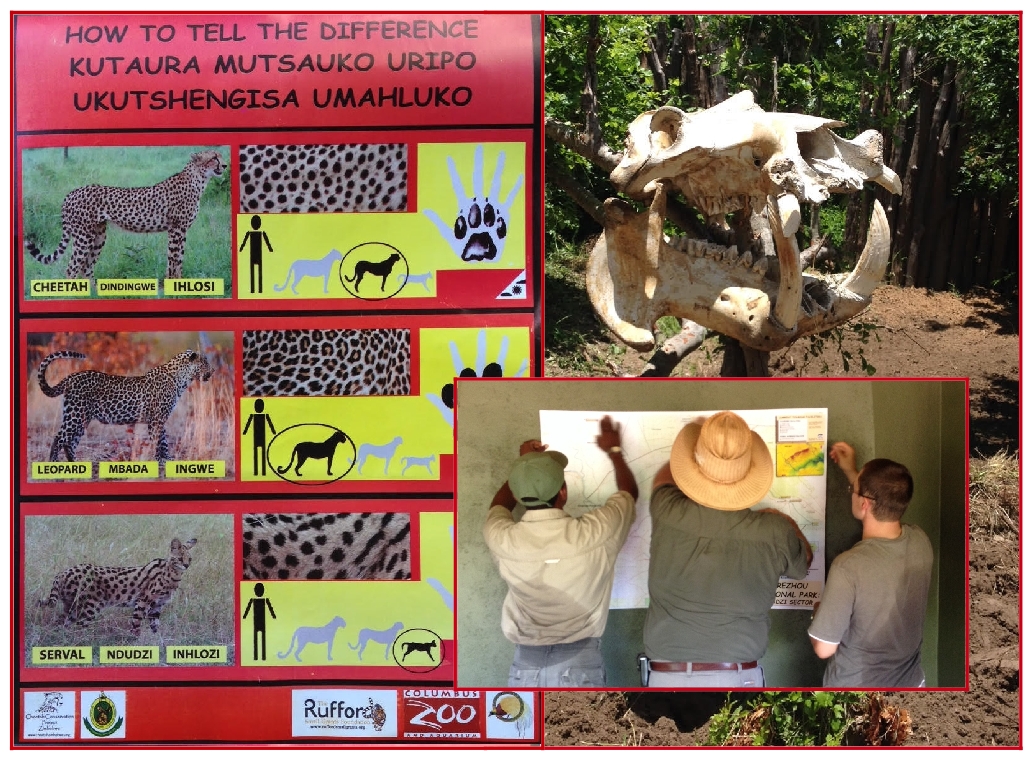
Chilo has helped put up posters regarding wildlife research projects at the National Parks entry into Gonarezhou……

Gonarezhou Parks entrance reception..Clive and the Chilo team..

Gonarezhou Parks entrance reception..Clive and the Chilo team..

including  this Vulture poster by Birdlife Zimbabwe

Vulture Poster by Birdlife Zimbabwe

Vulture Poster by Birdlife Zimbabwe

We see constant interaction between elephants and the Mahenye Villagers, and the National Parks rangers who man the Parks reception at Mahenye live daily with these animals…

Parks staff children and elephants at Tembweharta Pan in Gonarezhou...

Parks staff children and elephants at Tembahata Pan in Gonarezhou…

Elephants are our constant companions on game drives, mostly gentle giants who are a delight to observe in their true wilderness…here is fabulous ivory where it belongs..on live elephants!

elephant!

elephant!

Elephants, elephants…are as much a vital part of this ecosytem as people and rivers are…

Elephants, and more elephants, in and around the Save River .....

Elephants, and more elephants, in and around the Save River …..

Clive’s visions and hopes for real community conservation initiatives are reflected in this article:

http://www.telegraph.co.uk/travel/activityandadventure/10305355/Tusk-Conservation-Awards-Princely-custodians-of-the-bush.html

Community and conservation meet tourism at Chilo Gorge…a win win for all.

Clive and elephants, sunsets and community...

Clive and elephants, sunsets and community…

Chilo guides are truly deserving of the praise heaped on them by happy and fascinated guests who enjoy exploring the wilderness under their care….

Thomas Mutombeni, Chief guide at Chilo Gorge safari Lodge

Thomas Mutombeni, Chief guide at Chilo Gorge safari Lodge

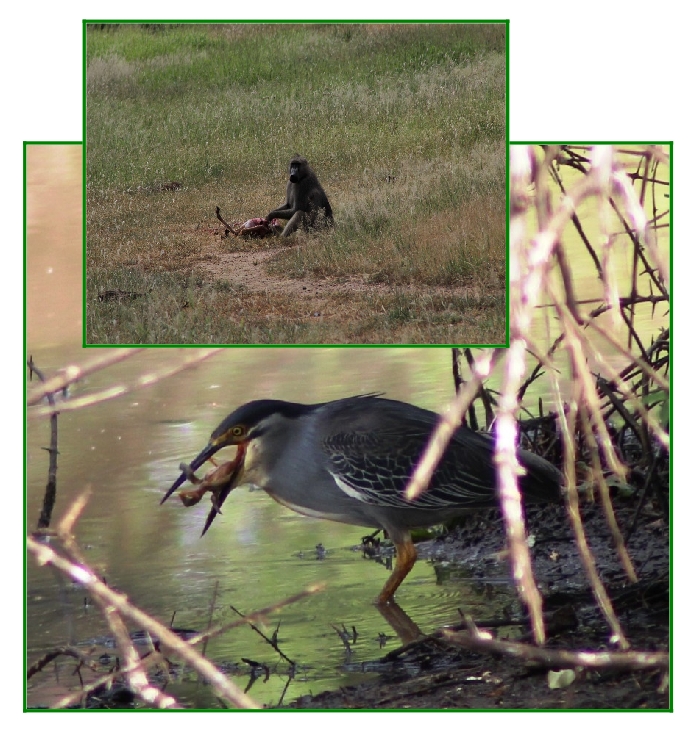
The beginning of this year has seen a successful wetlands bird count at Chilo for Birdlife Zimbabwe, with fascinating sightings by guests and Chilo Guide Lionel Muzengi, of two very interesting predators:

Green backed herons eating Lesser masked weaver chicks, and a baboon eating an impala fawn!

Lionel Muzengi-Guide's report of unusual predators!

Lionel Muzengi-Guide’s report of unusual predators!


Chilo kitchens, bar and waiter staff have produced memorable meals and cocktails, from Christmas mincemeat pies …in the rain….

wet decks and mince pies

wet decks and mince pies

to the fabulous Baked Ham, salads and cold meats Buffett for Christmas and New Years Day, plus Black- Eyed Peas and Atholl Brose to bring the New Year in with good luck!

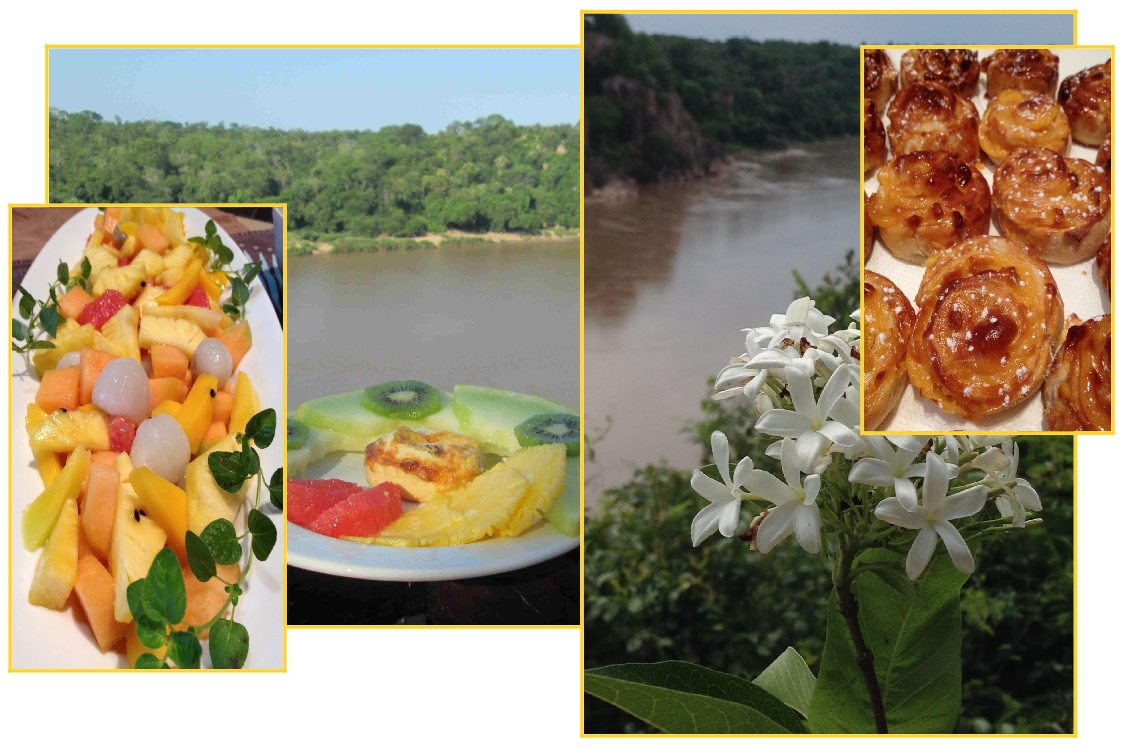
Continental breakfast on the deck is always a winner….

chilo breakfast on the deck

chilo breakfast on the deck

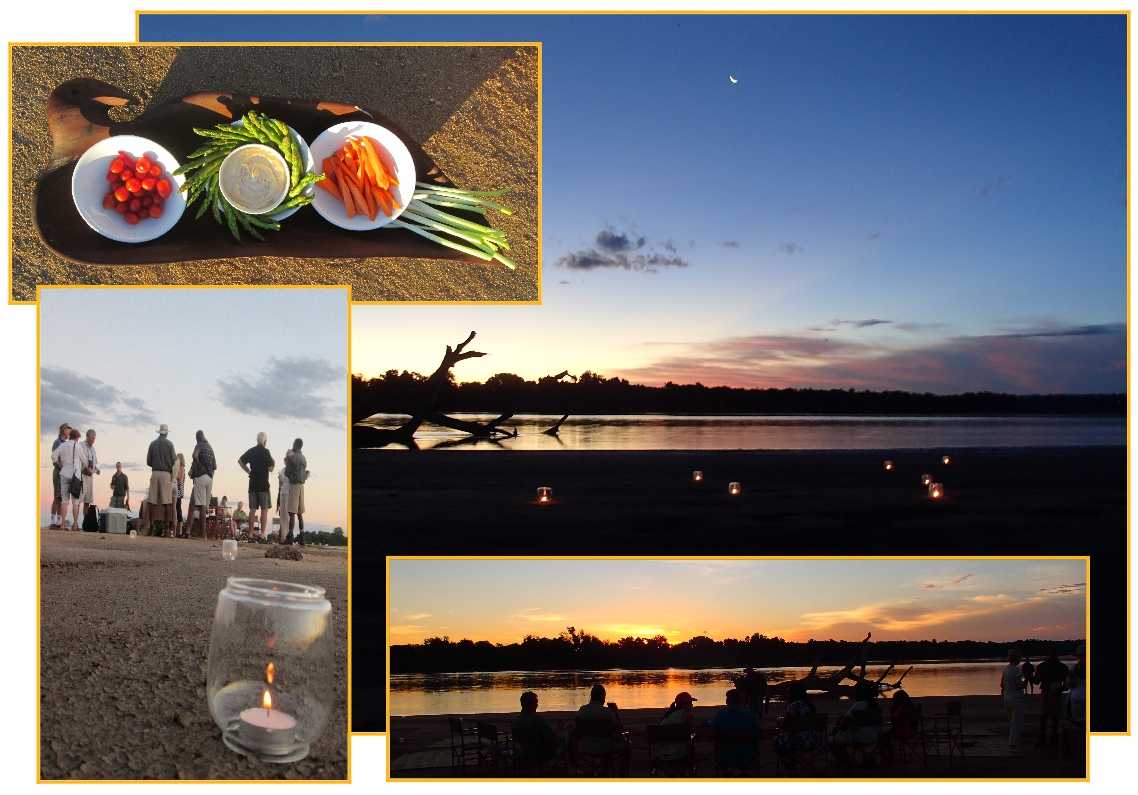
Beach sundowners are wonderfully atmospheric…

Atmosphere, snacks, moon and tealights

Atmosphere, snacks, moon and tealights


Sunsets are always magical, always different…

Datura flower on the beach of the Save River..

Datura flower on the beach of the Save River..


The Chilo gardeners have been hard at work maintaining the structure of the rocks and gardens that Arthur Barrie lovingly placed…the elephants providing a constant challenge! We have learnt which indigenous plants the  naughty elephants relish, and those are not being replanted!

gardeners and cigarette bush

gardeners and cigarette bush

Chilo housekeeping have kept the rooms beautiful, with  scented herbs in the bathrooms and flowers on the bedcover in the honeymoon suite.

honeymoon time at Chilo....

honeymoon time at Chilo….

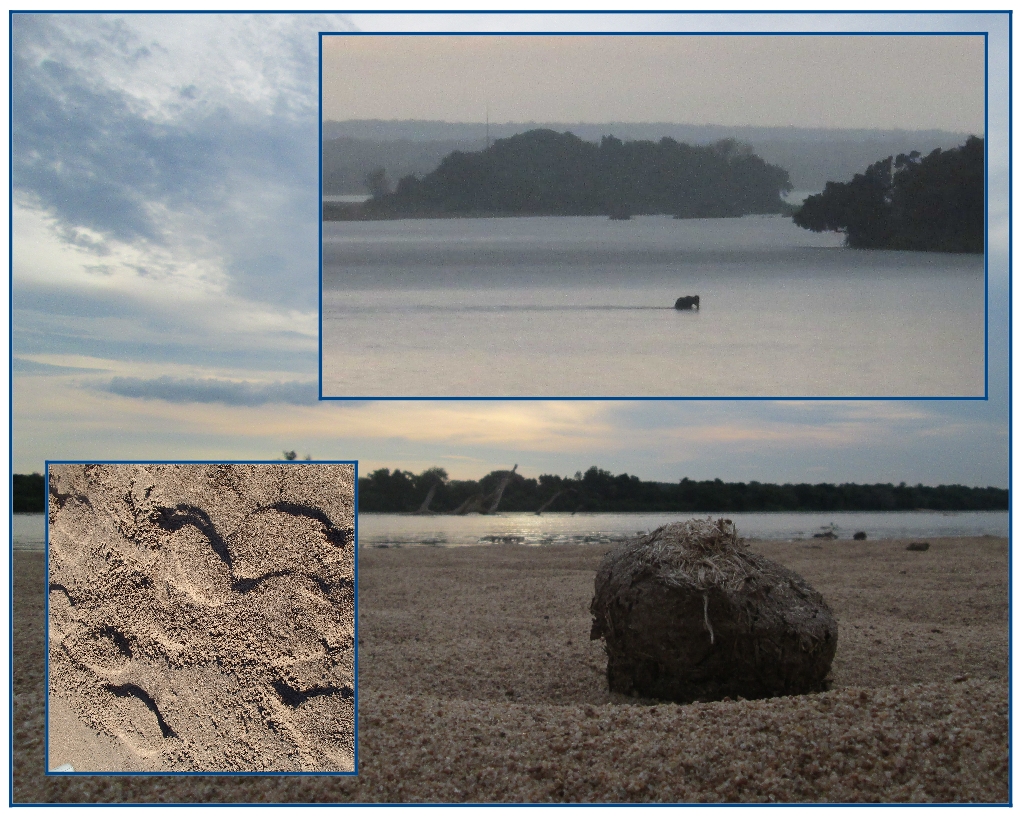
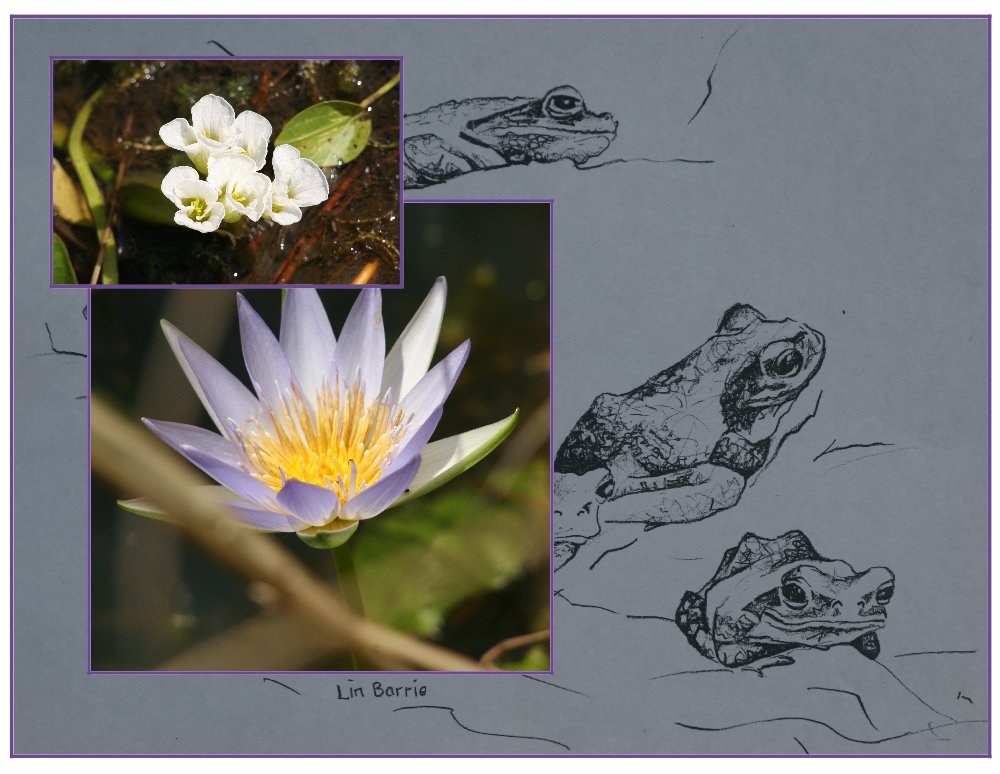
The Save river is a huge snaking waterway, a roiling python curve of water that is bursting its banks, driving even the largest crocodile to climb out and rest on the grassy banks to avoid being swept away! and the pans are inhabited by frogs and various waterlilies…

chiromantis frogs and water lilies

chiromantis frogs and water lilies

The rainy season in the Lowveld has brought a flooded Save River, baby animals galore and abundant flowers, and we have shared valuable time and knowledge with Bart Wursten and Petra Ballings in the field….Chilo Gorge and surrounds will have a botany page in their excellent website, Flora of Zimbabwe…

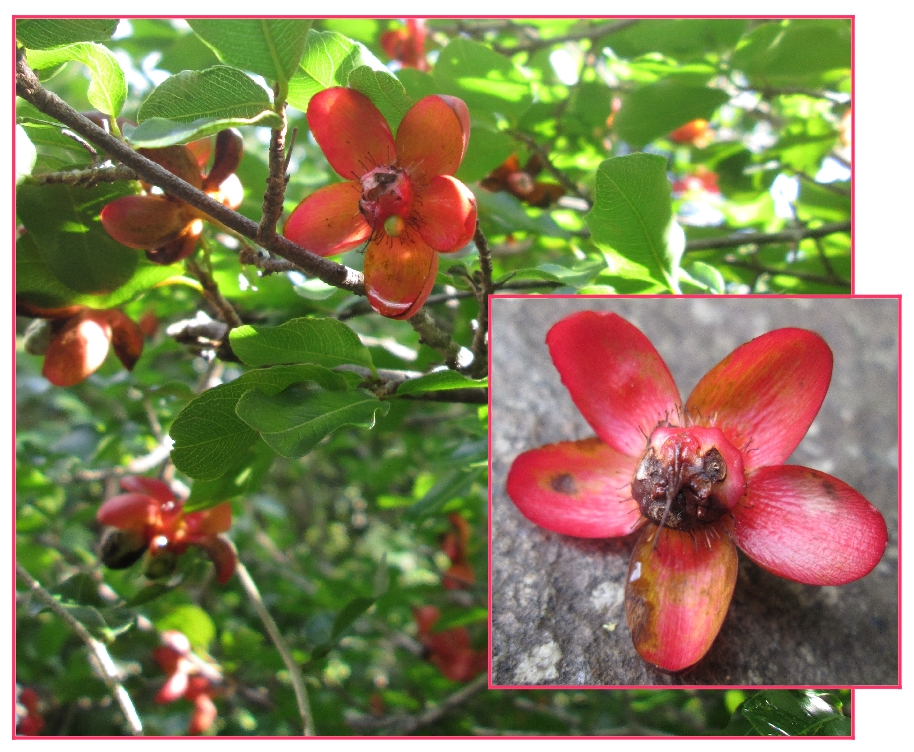
Ochna inermis grows outside room 5….

Ochna inermis-red summer beauty

Ochna inermis-red summer beauty

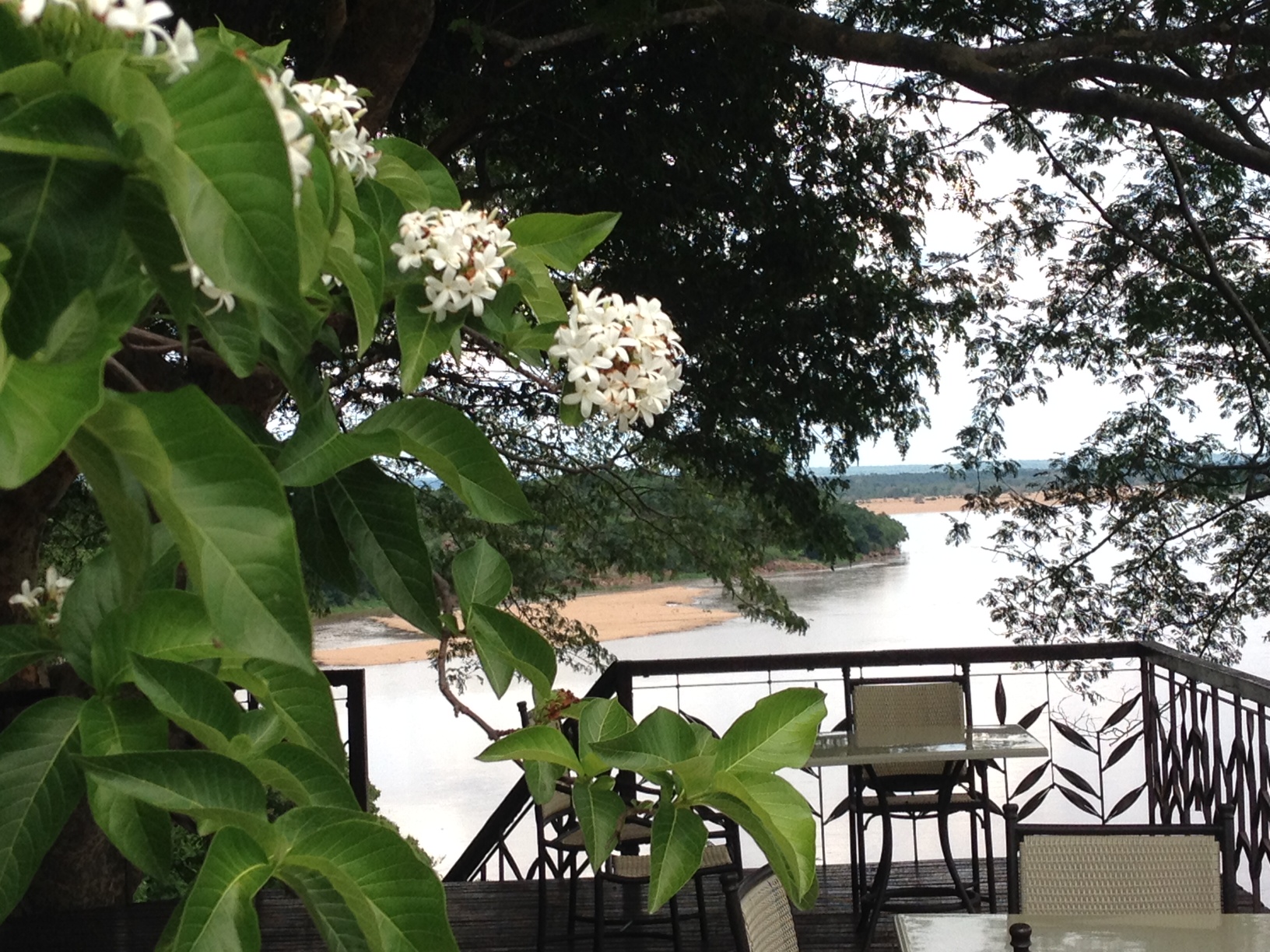
Hollerina pubescens graces the breakfast deck…

Holleria pubescens

Hollerina pubescens

Crossandra, one of my annual favourites…

chilo in the wet season-Crossandra and a funky cicada...

chilo in the wet season-Crossandra and a funky cicada…


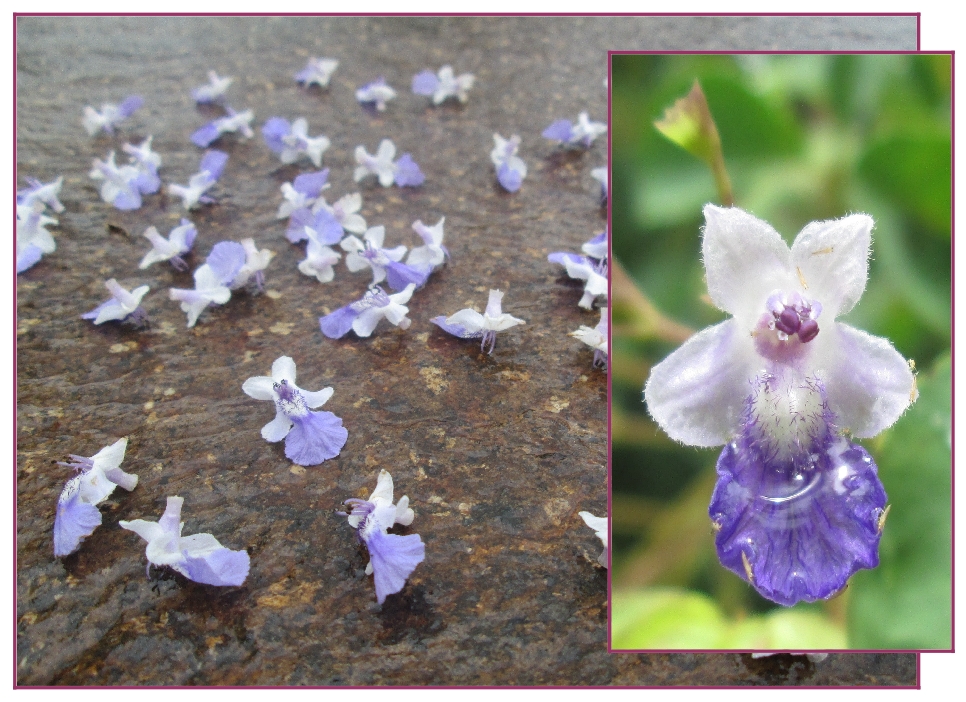
Purple Vitex flowers carpet the pathways, and teeny tiny  flies that sit on them, looking  like shrimps, are a miniature joy……

vitex and shrimps!

vitex and shrimps!

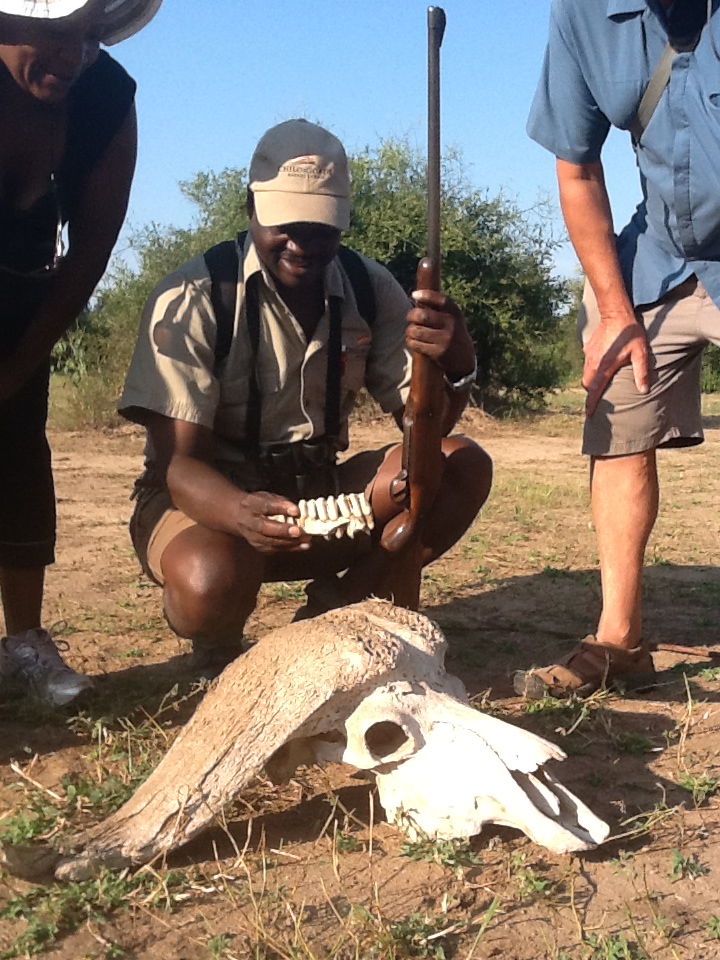
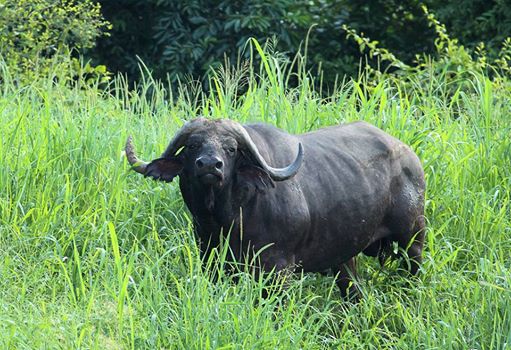
Bart’s photograph of a fierce buffalo bull in the long grass shows the caution with which one has to approach situations when distracted by botanising………

Bart's Bull

Bart’s Bull


Watch this space for my artistic interpretation of the buffalo bull- my memories of facing him in the field are powerful….!

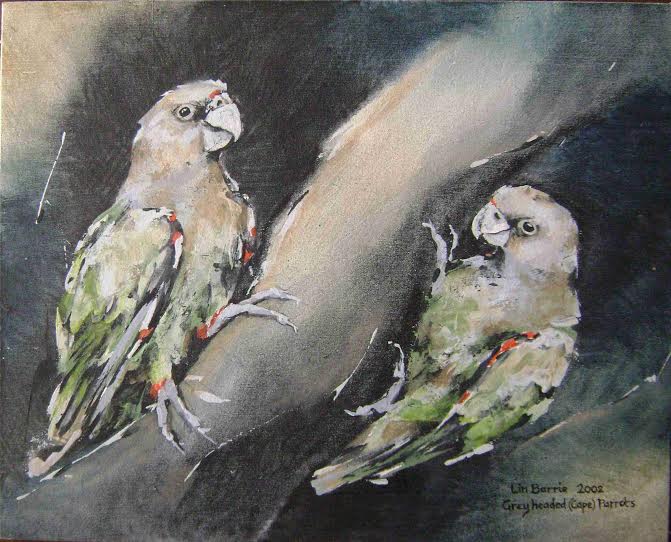
Birds abound and we get regular flyovers of those special little birds, Brown headed parrots, and the larger endangered Grey headed parrots…

grey headed parrots

grey headed parrots


Gorgeous great African land snails leave evidence of their presence with beautiful deserted shells….

giant land snail

giant land snail


Now as the rains seem to be tailing off, the Save river subsides and the Chivarira Falls subdues its constant roar of muddy water….


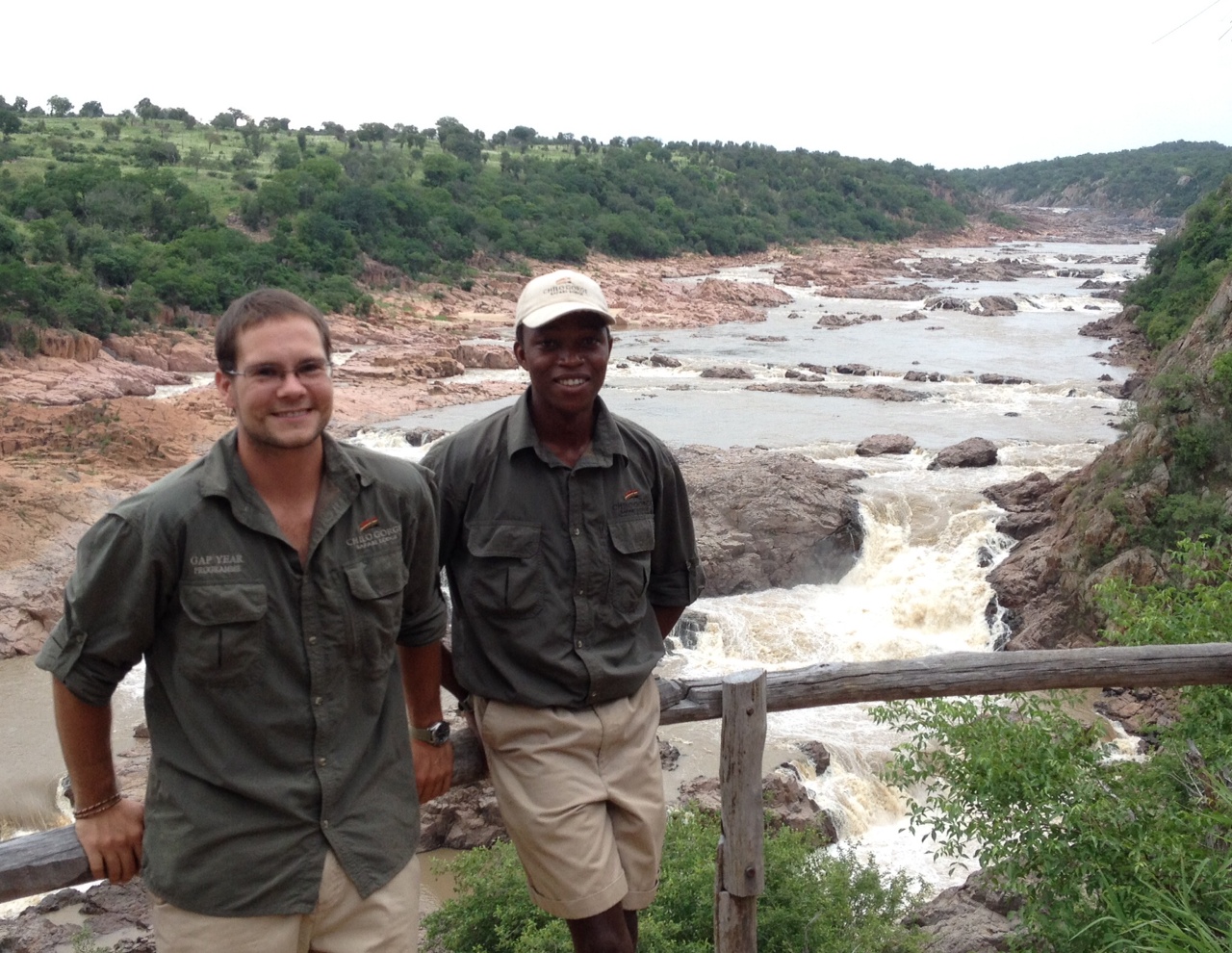
Lionel Muzengi and Ben Madden at Chivarira Falls

Lionel Muzengi and Ben Madden at Chivarira Falls

Cheers to the rest of 2015, from the awesome Save River……

drinks at sunset

drinks at sunset

Posted in Africa, African flora, African Safari, african wildlife, anti poaching, art, beauty, birding, birds, Chilo Gorge, christmas, community conservation, conservation, conservation news, cooking, culture, Duke of Cambridge, eco-tourism, education, elephants, family, flowers, food, food culture, gardens, gardens and flowers, gonarezhou national park, great limpopo transfrontier conservation Area, Hogmanay, home grown food, homegrown, honeymoon getaways, insects, interior decor, landscape, Lin Barrie Art, London, Nguni cattle, photography, Prince William, Prince William Award For Conservation, reptiles, Rivers, safari, slow food, Tusk Trust, tusk trust conservation awards, zimbabwe, Zimbabwe Parks | Tagged , , , , , , , , , , , , , , , , , , , , , , , , , , , , , , , , , , , , , , , , , , , , , , , , , , | 2 Comments

Reptilian Log stalks Nyala bull; Warthog watches!

Reptilian Log stalks Nyala bull; Warthog watches!

Sitting on  Chilo  Gorge deck with binoculars, I scale across the fast-flowing brown water and up and down the far river bank to see what I can see. The Albida tree where I often see a Pels owl go to roost in the early hours of the morning is leafless at this time of year, no refuge for an owl, so I pass over it….

A  faintly disturbing log lies in deep grass on the steep bank of the far shore, and browsing nearby is a  plump warthog, busily mowing the succulent grass. Two young Nyala bulls hover in the deep shadows of the evergreen shrubs. 

Something about that huge, omnipresent log……something pulls my eyes back to it and I begin to discern scales, a tail, possible legs…

Mr. Warthog munches away steadily, drifting away from the vicinity of the log, and one Nyala steps out, moving past and further on up the bank. The second Nyala tentatively steps out, one step towards my ‘log’.

I hold my breath, binoculars trembling slightly. The size of this log, even from my distance, is immense…it is 14 feet long at least! The clever Nyala seems to echo my trembling, standing one foreleg poised and muzzle stretched out, staring….

Wah! All at once the log opens yellow-lined jaws wide! The Nyala steps backwards, one step, two steps, with a mesmerized Mr. Warthog staring on…and the gigantic crocodile starts advancing ponderously up the bank towards the Nyala who wisely bounces well out of the way.

crocodile in waiting

crocodile in waiting

Now the leviathan turns sideways, facing along the steep bank rather than up it, and settles into the grass again, becoming more like a log than ever….

Mr. Warthog decides discretion is the better part of valour and dashes off, balls bouncing…..

Mr. Warthog...acrylic painting by Lin Barrie

Mr. Warthog…acrylic painting by Lin Barrie


Posted in Africa, African Safari, african wildlife, Chilo Gorge, eco-tourism, food, gonarezhou national park, predators, prey, reptiles, Rivers, wilderness, zimbabwe | Tagged , , , , , , , , , , , , , | Leave a comment

Cheese and biscuits for supper; Crocodile dreams…..

Cheese and biscuits for supper; Crocodile dreams…..

Creamy Camembert and fresh slices of mango are a taste sensation difficult to match. All the better for a dab of sweet Chilli sauce….

This is our supper on  the deck overlooking the swollen Save River. The waters below us are ribbons of dirty cream foam curling along on the twisting currents.

This afternoon I watched a medium sized crocodile drifting sideways downstream ..it allowed itself to drift across the current for a few minutes, then deliberately turned at right angles and tacked the other way. I am sure it was testing each stream of scented water, each entwined current, for any hint of a possible meal!

croc smelling the water

croc smelling the water

So now after a long day on the edge of this mighty river, and my supper of cheese, I retire…and I dream….and dream…..and DREAM …(as I usually do after a meal of cheese at night!)

I am a crocodile.

I AM a crocodile! 

crocodile dreams.....

crocodile dreams…..

I can feel the full length of my scaled body against the flow of the warm water as I drift. I am not very long by crocodile standards, quite slim, and easily I turn my body at an angle to slide with the current so that my snout is always testing fresh water, fresh scent….

I can ‘feel’, can ‘taste’ the  scents in the muddy water, no need for eyes, just pure sensation of tastes and tantalizing hints if what has been through this water upstream of me.

Scent of cattle and dung, humans washing, soap and urine, but these are faint, overridden by sensation of bat guano falling into water from overhanging clefts in the gorges upstream, hippos and elephants crossing the deep waters….decaying branches and vegetation and the occasional rubbery scent of a lost and floating flip-flop, washed by the rising waters from a sandbank or rock upstream while the unsuspecting owner bathed or washed their clothes.

This whole world of smell and warm water envelopes me, a sensation as good as any 3D movie! I wake with a strange elatedness, anticipation…..!

Posted in Africa, African Safari, african wildlife, hunting, reptiles, Rivers, wilderness, zimbabwe | Tagged , , , , , , | Leave a comment

Hello Kitty Now Has An Organic Farm – we love Hello Kitty!

If this is what it takes to persuade people to grow their own healthy food, I’m all for it. Gardens are special places, and anyway I love Hello Kitty…….!

hello-kitty-now-has-an-organic-farm

hello-kitty-now-has-an-organic-farm

…..as do my grandchildren Jade and Rayne, here made up as Hello Kitties by my make up artist daughter Kelli Barker………

hello Kitties!

hello Kitties!

Hello Kitty Now Has An Organic Farm | Co.Exist | ideas + impact.

Posted in Africa, beauty, childrens art, conservation, cooking, culture, eco-tourism, education, family, food, food culture, gardens, gardens and flowers, Hello Kitty, home grown food, homegrown, Hong Kong, insects, make up, make up artist, organic slow food, slow food, taste | Tagged , , , , , , , , , , , , | Leave a comment

“Catch of the Day”- by photographer Tom Mangelsen-Saving Wild Blog Feed –

I follow Lori Robinson”s excellent blog, Saving Wild.

“Catch of the Day”, a photograph by Tom Mangelsen, is one of the most widely circulated and published wildlife photographs in history. To me, this amazing photo encapsulates the sheer patience and tenacity of photographer and brown bear alike, the ability to hold out, remain steadfast and place yourself so that you are ready to grab the right opportunity when it flies past your waiting jaws…

Catch of the Day-An Alaskan brown bear perfectly positions himself above Brooks Falls to catch a leaping salmon.

Catch of the Day-An Alaskan brown bear perfectly positions himself above Brooks Falls to catch a leaping salmon.

“It seems to me he has the same kind of reverence for the spiritual essence of the wilderness as the Native American who believes that life on Earth is sacred, a gift from the Creator,” says Tom’s dear friend and one of his greatest influences, Jane Goodall.

Read more about Tom , in the excellent blog by Lori Robinson….

http://savingwild.com/2015/01/20/tom-mangelsens-last-great-wild-places/

His newly released book is called  The Last Great Wild Places.

The Last Great Wild Places Cover -- First light strikes the summit of Mount Moran painting the sky orange as a female grizzly wades a shallow bend in the Snake River in Grand Teton National Park, Wyoming.

The Last Great Wild Places Cover — First light strikes the summit of Mount Moran painting the sky orange as a female grizzly wades a shallow bend in the Snake River in Grand Teton National Park, Wyoming.

Posted in animal rights, art, beauty, conservation, conservation news, conservation publication, eco-tourism, education, film, fishing, food, hunting, landscape, love, photography, predators, prey, Saving Wild Blog, wilderness | Tagged , , , , , , , , , , , , , , , , , | Leave a comment

Pictus III : The story of “Snare”, Art and Painted Wolf Wines: Conservation and Fine Living go hand in hand!

YAY!

Lin Barrie Art……..

I am honoured to have my painting chosen for the label of the Pictus III wine produced by Painted Wolf Wines……a delicious vintage for the future to pair with fine food….

Pictus-III

Pictus-III

This is my painting, “Snare and her brother”, acrylic on canvas…..

Snare and her Brother

Snare and her Brother

How does wine and art benefit African wild dogs?…Read On!…….

(PLUS! we stock the lovely wines at Chilo Gorge Safari Lodge, and will host a Wine and Wild dog event at Chilo Gorge Lodge in 2015!

“Snare”

In the year of 2008, we spent much of our time observing a pack of African hunting dogs (Lycaon pictus) in the south of the Save Valley Conservancy, Zimbabwe.

Consisting of four adults, four yearlings and, initially, more than nine puppies, this pack had had more than its share of tragedy.

The young female, “Snare”, I so called because when we first saw the adult dogs, in 2007, she had a wire snare tight around her neck, causing a gaping wound. For many months she cleverly evaded our attempts to dart her. Her pain was evident in her haunted eyes….

Snare and the horrible wire noose

Snare and the horrible wire noose

Snare was difficult to approach since the pack had not yet denned down, still pursuing their nomadic way of life. The Alpha female was visibly pregnant, and obviously hunting for a suitable den site.

All we could do was to keep alert for occasional sightings of the dogs. I truly became discouraged-her wound was so traumatic that it seemed she could not possibly survive if we were unable to remove the vicious wire.

Snare with wire

Snare with wire

At last, scouts located a den site and we were able to begin to visit the dogs, slowly habituating them to our presence, and discovering that they had at least nine fat pups ensconced in a warthog burrow. Joyful hours were spent watching the new family, but we struggled to coordinate a darting team in the first few days. Each day I would watch poor Snare struggling to breathe and keep up with her pack. She resolutely trailed after them on every hunt, interacting as best she could with her boisterous siblings-always thinner than the rest and staying away from the new babies, unlike her sisters. Her siblings, in turn, cleaned her terrible wound and chaperoned her constantly. ………

Slash and Snare

Slash and Snare

She tried hard to jump and play with them before evening hunts, but was always subdued in comparison to their exuberance.

Exuberant yearlings

Exuberant yearlings

Another tragedy then hit the dogs-a huge python found the burrow, whether by intent or accident we will never know, and, overnight, ate many of the pups-leaving only four whom the Alpha female immediately relocated to another den close by.

only four pups left.....

only four pups left…..

After some aborted attempts to dart Snare, eventually we got lucky and Graham Connear immobilized her.

Snare gets darted

Snare gets darted

tranquilising dart

tranquilising dart

Removing the wire, Reuben, Chief Game Scout from the African Wildlife Conservation Fund found that it had begun to cut into her trachea, thank goodness still a small hole.

Reuben cuts the wire snare

Reuben cuts the wire snare

Reuben is a master tracker, can find dog tracks where no one else can!

Reuben

Reuben

the offending wire is removed at last!

the offending wire is removed at last!

Cleaning the wound as best we could, we administered antibiotics…….and I was honoured to be able to hold her paw, a potent symbol  of function and real beauty belonging to this wild, fast hunter.

Clive Stockil and Graham Connear monitor temerature and administer antibiotics

Clive Stockil and Graham Connear monitor temerature and administer antibiotics

Snare's gorgeous paw

Snare’s gorgeous paw

after admiring her thick, soft tricolour coat, (which I have used as the backdrop to this Blog of mine!), we left her to recover…….

Clive and Rueben wait for the reversal drug to begin working

Clive and Rueben wait for the reversal drug to begin working

Over the next few days I saw a transformation that was wondrous to behold- Snare went from strength to strength, daily interacting more and more with the four tiny pups and hunting enthusiastically with her pack. Snare became an active hunter again! The pups would eagerly wait her return from a hunt……

Wild dog pup at den

Wild dog pup at den

 Snare was a new animal, the breath still faintly whistling through the now healing hole in her neck, but her eyes bright and her enthusiasm boundless. She became a leader of the hunt, often being the one to return first with the Alpha male, both bloody necked from a successful kill, to regurgitate food for her mother, the Alpha female, and her new little siblings!

Snare rejuvenated.....

Snare rejuvenated…..

My oil paintings and sketches show Snare interacting before a hunt with her siblings, a symbol of the stamina and will that these dogs show in the face of adversity. She now had the strong potential to be a leader, an Alpha female with pups of her own in the future.

Read this link to discover the story of “Snare”, a Wild dog, and how she is linked to these fine wines!

Pictus III : The story behind the label | Painted Wolf Wines.

and other stories about wine and conservation….

Pictus I (2009)

http://www.paintedwolfwines.com/our-wines/pictus-1/

Pictus I 2009

Pictus I 2009

Posted in Africa, African Safari, African wild dogs, african wildlife, african wildlife conservation fund, animal rights, art, bicycle rides, conservation, conservation news, cooking, culture, dogs, eco-tourism, education, food, Lin Barrie Art, painted dog conservation, Painted Dogs, painted Dogs, Painted Wolf Wines, painted wolves, Poaching, wilderness, wine, zimbabwe | Tagged , , , , , , , , , , , , , , , , , , , , , , , , , , , | 3 Comments

Atholl Brose- nectar of oats and whisky, sweetened with honey-A Scottish drink enjoyed all over the world , and especially at New Year

Atholl Brose–another New Year tradition which I enjoy,  this is truly a  Scottish brew….one I will create for New Years Eve at Chilo Gorge Lodge

I soak oatmeal in water overnight and squeeze out the delicious milky extract…then local yummy honey goes into the oats extract…….

honey goes in..

honey goes in..

The team in the kitchen all help and are keen to taste….!

Atholl Brose Team

Atholl Brose Team

Atholl-Brose

Atholl-Brose

There are a number of variations in making this drink which have been handed down over many generations. The brew is first recorded in 1475 when the Earl of Atholl was attempting to capture Iain MacDonald, Lord of the Isles who was leading a rebellion against the king. Hearing that MacDonald drank from a small well, the Earl ordered it to be filled with honey, whisky and oatmeal. MacDonald stayed sampling the concoction and was captured!
Here is the traditional Atholl Brose, from a recipe made public by the Duke of Atholl some years ago.

Ingredients:
3 rounded tablespoons of medium oatmeal
2 tablespoons heather honey
Scotch whisky

Method:
The oatmeal is prepared by putting it into a basin and mixing with cold water until the consistency is that of a thick paste. Leave for half an hour and then put through a fine strainer, pressing with a wooden spoon to extract as much liquid as possible. Throw away the oatmeal and use the creamy liquor from the oatmeal for the brose.

Mix four dessert spoonfuls of pure honey and four sherry glassfuls of the prepared oatmeal and stir well. (Purists insist on a silver spoon for stirring!) Put into a quart bottle and fill with malt whisky; shake before serving.

adding the honey...

adding the honey…

so -from ancient Scottish Tradition to the Southern States of America, (see my previous Black-Eyed Peas post below) we will be celebrating internationally at Chilo this New Year…!

https://wildlifeandwilddogs.wordpress.com/2014/12/27/black-eyed-peas-with-ham-hock-and-collards-recipe-southern-united-states-new-year-tradition/

Posted in Africa, cooking, culture, food, food culture, Hogmanay, home grown food, homegrown, New Year, Scotland, Scottish Ceilidh, sharing, slow food, zimbabwe | Tagged , , , , , , , , , , , , , | 1 Comment